 Warble
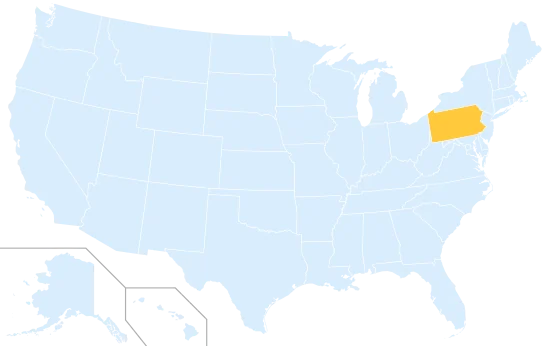
The state bird: Ruffed Grouse
Named the state game bird in 1931; Pennsylvania never chose an ordinary state bird. In spring the male stands on a log and beats the air with his wings, a low thumping that starts slow and speeds up and carries a quarter mile through the woods. Numbers have fallen in the state in recent years, with habitat loss and West Nile virus blamed.
Recording by Zoe O., CC BY 4.0, via iNaturalist.
The Pennsylvania Ornithological Records Committee had 447 species on the state list as of January 2026, 89 of them accidental and 60 casual. Between Philadelphia and Pittsburgh the state is mostly forest, ridge after parallel ridge running northeast to southwest, and the ridges do two things for birds: they hold one of the biggest blocks of eastern hardwood forest left, full of thrushes and warblers in June, and they funnel hawks south every fall.
The everyday album, though, belongs to the towns and the farm valleys. Cardinal, robin, jay, dove, crow and Song Sparrow are the first six voices from Erie to Lancaster.
The Pennsylvania album
These are the 100 birds people report most often in Pennsylvania, ranked by how frequently they turn up. The common and uncommon ones are shown; the rare and legendary cards stay face down until you catch them in the game.
Common 25 cards
- #001
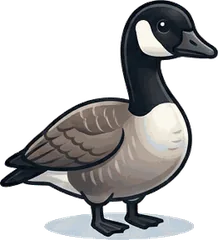 Canada Goose
Branta canadensis
Canada Goose
Branta canadensis - #003
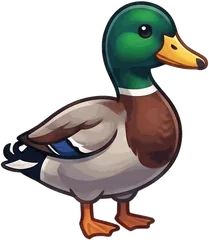 Mallard
Anas platyrhynchos
Mallard
Anas platyrhynchos - #011
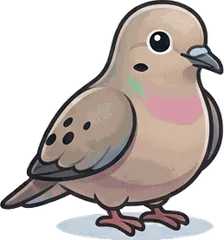 Mourning Dove
Zenaida macroura
Mourning Dove
Zenaida macroura - #023
 ?Catch it to find out
 - #031
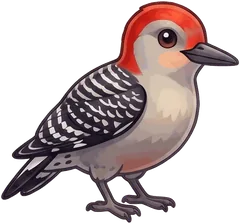 Red-bellied Woodpecker
Melanerpes carolinus
Red-bellied Woodpecker
Melanerpes carolinus - #032
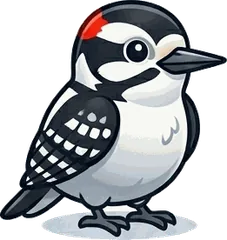 Downy Woodpecker
Dryobates pubescens
Downy Woodpecker
Dryobates pubescens - #034
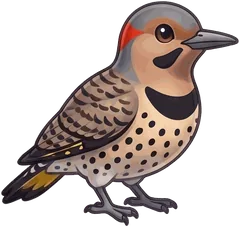 Northern Flicker
Colaptes auratus
Northern Flicker
Colaptes auratus - #043
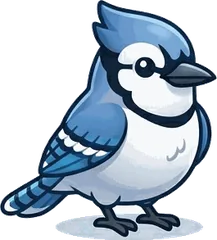 Blue Jay
Cyanocitta cristata
Blue Jay
Cyanocitta cristata - #044
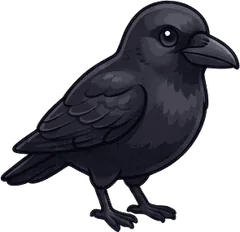 American Crow
Corvus brachyrhynchos
American Crow
Corvus brachyrhynchos - #049
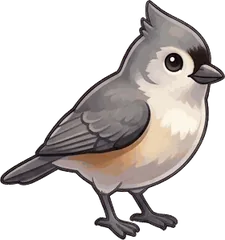 Tufted Titmouse
Baeolophus bicolor
Tufted Titmouse
Baeolophus bicolor - #054
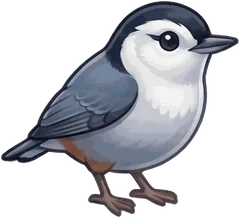 White-breasted Nuthatch
Sitta carolinensis
White-breasted Nuthatch
Sitta carolinensis - #059
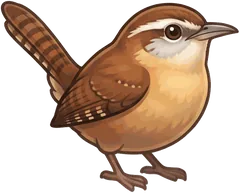 Carolina Wren
Thryothorus ludovicianus
Carolina Wren
Thryothorus ludovicianus - #060
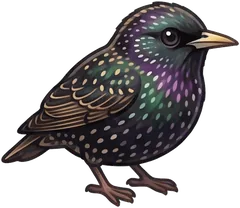 European Starling
Sturnus vulgaris
European Starling
Sturnus vulgaris - #061
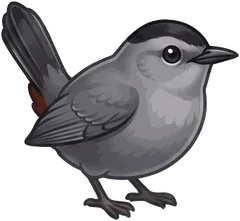 Gray Catbird
Dumetella carolinensis
Gray Catbird
Dumetella carolinensis - #064
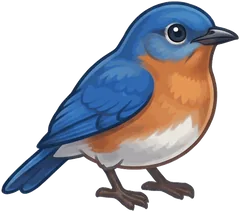 Eastern Bluebird
Sialia sialis
Eastern Bluebird
Sialia sialis - #068
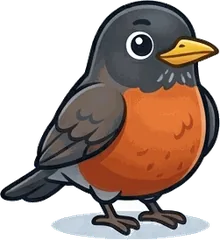 American Robin
Turdus migratorius
American Robin
Turdus migratorius - #070
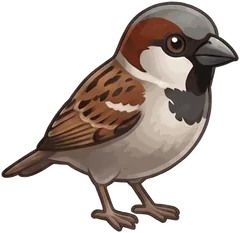 House Sparrow
Passer domesticus
House Sparrow
Passer domesticus - #071
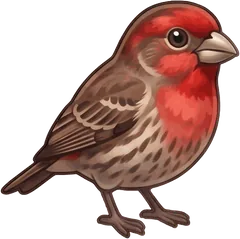 House Finch
Haemorhous mexicanus
House Finch
Haemorhous mexicanus - #073
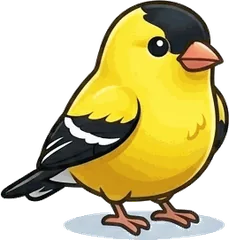 American Goldfinch
Spinus tristis
American Goldfinch
Spinus tristis - #076
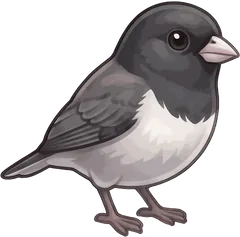 Dark-eyed Junco
Junco hyemalis
Dark-eyed Junco
Junco hyemalis - #077
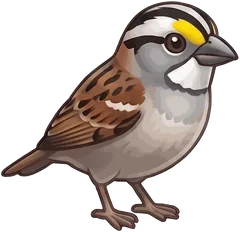 White-throated Sparrow
Zonotrichia albicollis
White-throated Sparrow
Zonotrichia albicollis - #078
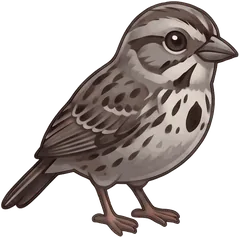 Song Sparrow
Melospiza melodia
Song Sparrow
Melospiza melodia - #082
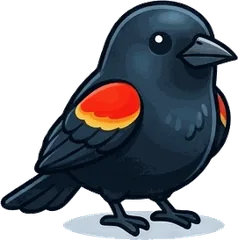 Red-winged Blackbird
Agelaius phoeniceus
Red-winged Blackbird
Agelaius phoeniceus - #084
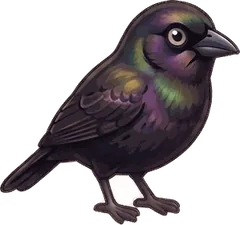 Common Grackle
Quiscalus quiscula
Common Grackle
Quiscalus quiscula - #098
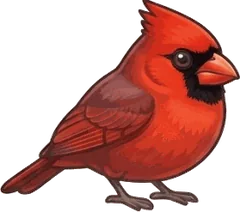 Northern Cardinal
Cardinalis cardinalis
Northern Cardinal
Cardinalis cardinalis
Uncommon 35 cards
- #002
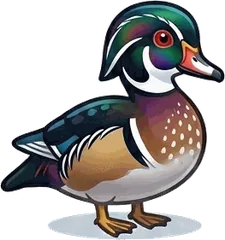 Wood Duck
Aix sponsa
Wood Duck
Aix sponsa - #008
 ?Catch it to find out
 - #010
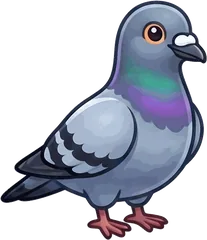 Rock Pigeon
Columba livia
Rock Pigeon
Columba livia - #012
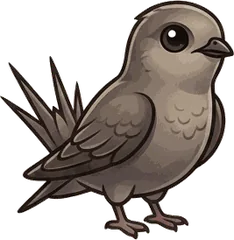 Chimney Swift
Chaetura pelagica
Chimney Swift
Chaetura pelagica - #013
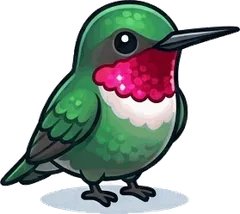 Ruby-throated Hummingbird
Archilochus colubris
Ruby-throated Hummingbird
Archilochus colubris - #014
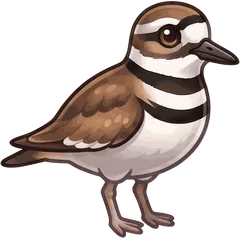 Killdeer
Charadrius vociferus
Killdeer
Charadrius vociferus - #016
 ?Catch it to find out
 - #021
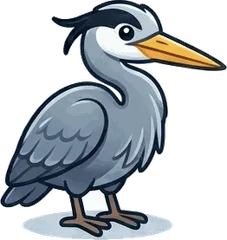 Great Blue Heron
Ardea herodias
Great Blue Heron
Ardea herodias - #026
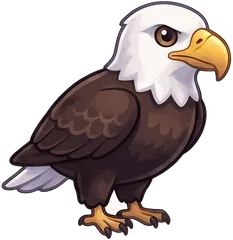 Bald Eagle
Haliaeetus leucocephalus
Bald Eagle
Haliaeetus leucocephalus - #028
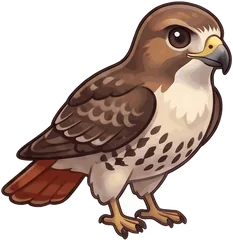 Red-tailed Hawk
Buteo jamaicensis
Red-tailed Hawk
Buteo jamaicensis - #029
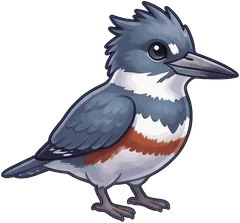 Belted Kingfisher
Megaceryle alcyon
Belted Kingfisher
Megaceryle alcyon - #033
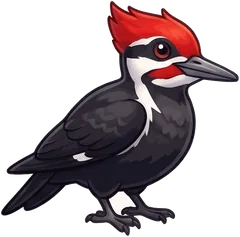 Pileated Woodpecker
Dryocopus pileatus
Pileated Woodpecker
Dryocopus pileatus - #036
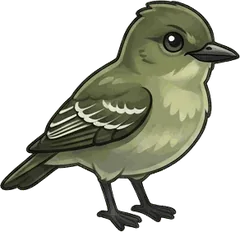 Eastern Wood-Pewee
Contopus virens
Eastern Wood-Pewee
Contopus virens - #037
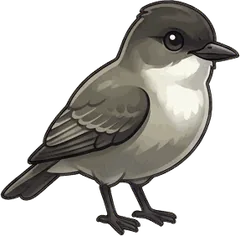 Eastern Phoebe
Sayornis phoebe
Eastern Phoebe
Sayornis phoebe - #042
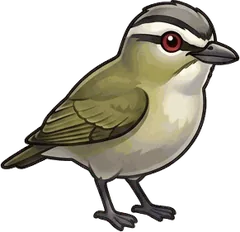 Red-eyed Vireo
Vireo olivaceus
Red-eyed Vireo
Vireo olivaceus - #045
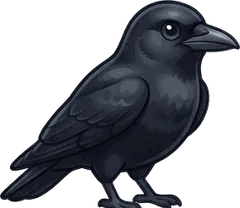 Fish Crow
Corvus ossifragus
Fish Crow
Corvus ossifragus - #047
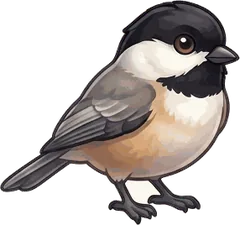 Carolina Chickadee
Poecile carolinensis
Carolina Chickadee
Poecile carolinensis - #048
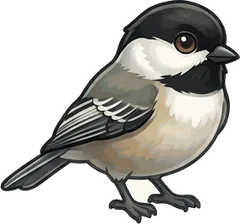 Black-capped Chickadee
Poecile atricapillus
Black-capped Chickadee
Poecile atricapillus - #050
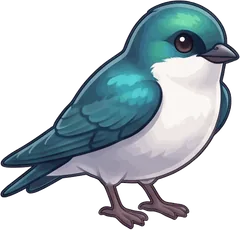 Tree Swallow
Tachycineta bicolor
Tree Swallow
Tachycineta bicolor - #052
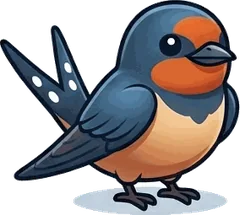 Barn Swallow
Hirundo rustica
Barn Swallow
Hirundo rustica - #057
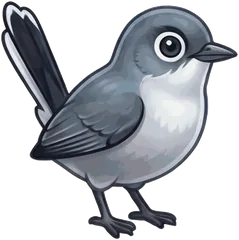 Blue-gray Gnatcatcher
Polioptila caerulea
Blue-gray Gnatcatcher
Polioptila caerulea - #058
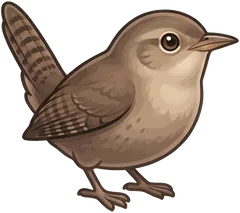 House Wren
Troglodytes aedon
House Wren
Troglodytes aedon - #063
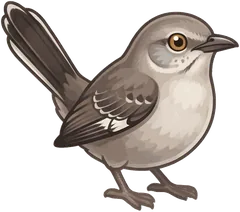 Northern Mockingbird
Mimus polyglottos
Northern Mockingbird
Mimus polyglottos - #067
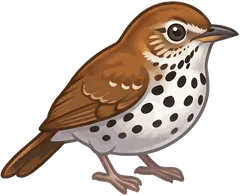 Wood Thrush
Hylocichla mustelina
Wood Thrush
Hylocichla mustelina - #069
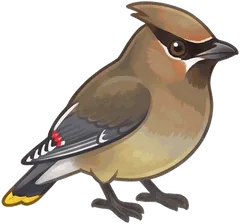 Cedar Waxwing
Bombycilla cedrorum
Cedar Waxwing
Bombycilla cedrorum - #074
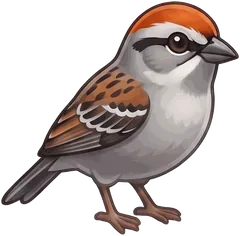 Chipping Sparrow
Spizella passerina
Chipping Sparrow
Spizella passerina - #075
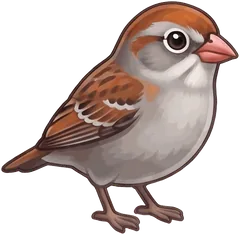 Field Sparrow
Spizella pusilla
Field Sparrow
Spizella pusilla - #080
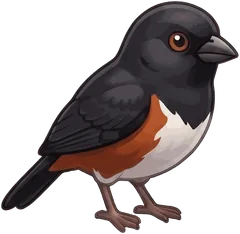 Eastern Towhee
Pipilo erythrophthalmus
Eastern Towhee
Pipilo erythrophthalmus - #081
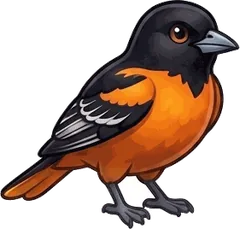 Baltimore Oriole
Icterus galbula
Baltimore Oriole
Icterus galbula - #083
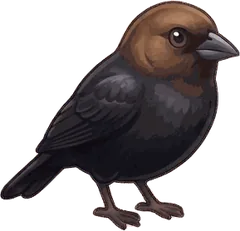 Brown-headed Cowbird
Molothrus ater
Brown-headed Cowbird
Molothrus ater - #085
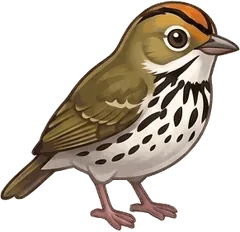 Ovenbird
Seiurus aurocapilla
Ovenbird
Seiurus aurocapilla - #087
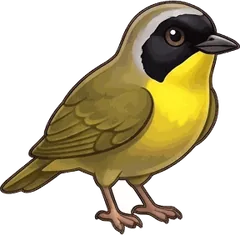 Common Yellowthroat
Geothlypis trichas
Common Yellowthroat
Geothlypis trichas - #092
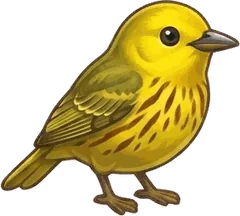 Yellow Warbler
Setophaga petechia
Yellow Warbler
Setophaga petechia - #095
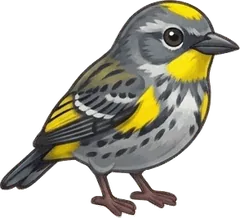 Yellow-rumped Warbler
Setophaga coronata
Yellow-rumped Warbler
Setophaga coronata - #100
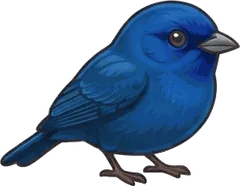 Indigo Bunting
Passerina cyanea
Indigo Bunting
Passerina cyanea
Rare 30 cards
- #004
 ?Catch it to find out
 - #005
 ?Catch it to find out
 - #006
 ?Catch it to find out
 - #007
 ?Catch it to find out
 - #009
 ?Catch it to reveal
 - #019
 ?Catch it to find out
 - #020
 ?Catch it to find out
 - #022
 ?Catch it to find out
 - #024?Catch it to reveal
- #027?Catch it to reveal
- #030?Catch it to reveal
- #035?Catch it to reveal
- #038?Catch it to reveal
- #039?Catch it to reveal
- #040
 ?Catch it to find out
 - #041?Catch it to reveal
- #046?Catch it to reveal
- #051
 ?Catch it to find out
 - #053?Catch it to reveal
- #056?Catch it to reveal
- #062?Catch it to reveal
- #072?Catch it to reveal
- #079
 ?Catch it to find out
 - #086?Catch it to reveal
- #089?Catch it to reveal
- #090?Catch it to reveal
- #093
 ?Catch it to find out
 - #096
 ?Catch it to find out
 - #097?Catch it to reveal
- #099?Catch it to reveal
Legendary 10 cards
- #015
 ?Catch it to find out
 - #017?Catch it to reveal
- #018
 ?Catch it to find out
 - #025
 ?Catch it to find out
 - #055?Catch it to reveal
- #065?Catch it to reveal
- #066?Catch it to reveal
- #088
 ?Catch it to find out
 - #091
 ?Catch it to find out
 - #094
 ?Catch it to find out
 57 of the 100 cards are shown here. The other 43, including all 30 rare and 10 legendary birds, are yours to discover. Get Warble and start with the common ones.
Backyard birds you will hear first
The Northern Cardinal starts singing in February, cheer, cheer, cheer from the top of a hemlock, and leads the album all year. The American Robin is the dawn bird from March to July, the Blue Jay screams from the oaks and mimics hawks, and the Mourning Dove coos from the wires. The American Crow is in every county in every month.
The Song Sparrow sings its notes-buzz-trill from any brushy edge. The American Goldfinch bounces over calling po-ta-to-chip and nests late, in July, when the thistle seeds. The Red-bellied Woodpecker's rolling churr and the Downy's soft whinny come from the same suet feeder, the Tufted Titmouse whistles peter, peter, peter, and the Carolina Wren shouts teakettle from under the deck, loudest on the coldest mornings, as if to make a point.
The regions, by ear
Philadelphia and the southeast
John Heinz National Wildlife Refuge at Tinicum, next to the Philadelphia airport, protects the largest remaining freshwater tidal marsh in Pennsylvania. Set aside by Congress in 1972, it has recorded more than 300 species of birds, 85 of them nesting, around a 145-acre impoundment that is drained in early fall for shorebirds and refilled for ducks. Egrets, warblers and sandpipers stop on the Atlantic Flyway a short ride from downtown.
The Ridge and Valley
Farm valleys between long forested ridges. Eastern Meadowlarks and Bobolinks in the hayfields, Eastern Bluebirds on the fence lines, and on the ridges the Wood Thrush fluting at dusk, the Ovenbird shouting teacher and the Scarlet Tanager singing hoarsely from the oaks. Hawk Mountain Sanctuary, 2,600 acres on the Kittatinny Ridge in Berks and Schuylkill counties, started in 1934 when Rosalie Edge leased 1,400 acres and hired wardens to stop the hawk shooting. Its count is the longest record of raptor migration in the world, and an average of about 20,000 hawks, eagles and falcons pass the lookouts each late summer and fall, from late August into early December.
The Pennsylvania Wilds
The northern tier and the Allegheny Plateau: big second-growth forest, hemlock ravines and elk. Ruffed Grouse drum in the aspen and young hardwoods, Hermit Thrushes sing in the evening, Blackburnian and Black-throated Green Warblers buzz from the hemlocks, and Barred Owls ask who cooks for you along the creeks.
Lake Erie and the west
Presque Isle, the sandy hook curling into Lake Erie at Erie, is the state's migrant trap, catching songbirds in spring and waterbirds through fall.
Best months to listen
April brings the first big wave: phoebes, towhees, Ruffed Grouse drumming in the woods and woodcocks peenting in wet fields at dusk. May is the peak, warblers in every park and the residents on territory. June is the month for the ridges, when the Wood Thrush and the tanagers sing from first light to dark. September and October are hawk season on the Kittatinny, mostly silent but hard to beat. Winter is the feeder: cardinal, titmouse, Carolina Wren, junco, and the first cardinal song in late February to close the loop.
Places worth the drive
- Hawk Mountain Sanctuary, Kempton: some 20,000 raptors a fall past the lookouts, late August to early December.
- John Heinz National Wildlife Refuge at Tinicum, Philadelphia: more than 300 species in a tidal marsh beside the airport.
- Presque Isle State Park, Erie: the Lake Erie migrant trap in April and May.
None of it is required. A rowhouse yard in Philadelphia or a feeder in State College gives you the first 20 cards in Warble by April.
Listen before you go
Three of the common Pennsylvania birds, so the first songs you hear outside already ring a bell.
Recording by Chase Harris, CC0, via iNaturalist.
Recording by Chase Harris, CC0, via iNaturalist.
Recording by Fionn Ó Marcaigh, CC BY 4.0, via iNaturalist.
Questions people ask
What is the most common bird in Pennsylvania?
By the reports behind the album, the Northern Cardinal, then the American Robin, the Blue Jay, the Mourning Dove, the American Crow and the Song Sparrow.
What is the state bird of Pennsylvania?
The Ruffed Grouse, named the state game bird in 1931. Pennsylvania never adopted an ordinary state bird, so the grouse fills the role. It is a forest bird, and its spring drumming is a sound rather than a song.
How many bird species are there in Pennsylvania?
447 species as of January 2026, according to the Pennsylvania Ornithological Records Committee. The Warble album covers the 100 reported most often.
Nearby albums
Sources
- Wikipedia: List of birds of Pennsylvania. en.wikipedia.org/wiki/List_of_birds_of_Pennsylvania
- Wikipedia: Ruffed grouse. en.wikipedia.org/wiki/Ruffed_grouse
- Wikipedia: Hawk Mountain Sanctuary. en.wikipedia.org/wiki/Hawk_Mountain_Sanctuary
- Wikipedia: John Heinz National Wildlife Refuge at Tinicum. en.wikipedia.org/wiki/John_Heinz_National_Wildlife_Refuge_at_Tinicum