 Warble
The state bird: Northern Cardinal
Adopted in 1949, a year before Virginia picked the same bird. It leads the album here too, whistling cheer, cheer, cheer from the top of a dogwood from February and chipping from the brush all winter.
Recording by Chase Harris, CC0, via iNaturalist.
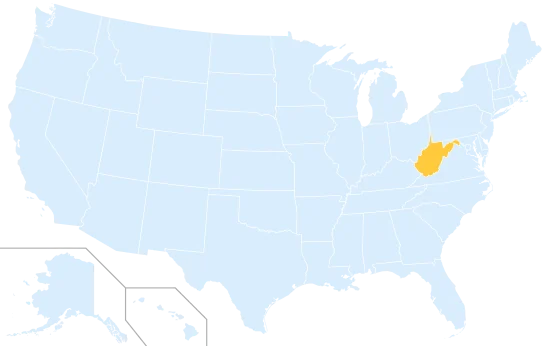
The West Virginia Bird Records Committee of the Brooks Bird Club listed 354 species as of July 2021, with 65 of them rare, 5 introduced and 2 extinct. It is a smaller total than the states around it because West Virginia has no coast and no big lake, but what it has instead is elevation: the state climbs from the Ohio River to Spruce Knob, 4,863 feet up in the Allegheny Mountains, and the birds change with every thousand feet.
In the towns, in Charleston, Huntington and Morgantown, the everyday album is a southeastern one: cardinal, crow, jay, robin, Song Sparrow, titmouse and wren. Drive an hour east into the highlands and you can hear Hermit Thrushes in red spruce, a sound most people have to go to New England for.
The West Virginia album
These are the 100 birds people report most often in West Virginia, ranked by how frequently they turn up. The common and uncommon ones are shown; the rare and legendary cards stay face down until you catch them in the game.
Common 25 cards
- #001
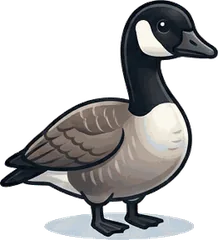 Canada Goose
Branta canadensis
Canada Goose
Branta canadensis - #003
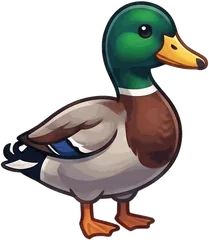 Mallard
Anas platyrhynchos
Mallard
Anas platyrhynchos - #010
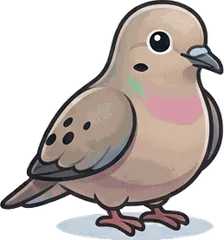 Mourning Dove
Zenaida macroura
Mourning Dove
Zenaida macroura - #019
 ?Catch it to find out
 - #027
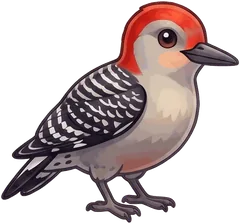 Red-bellied Woodpecker
Melanerpes carolinus
Red-bellied Woodpecker
Melanerpes carolinus - #028
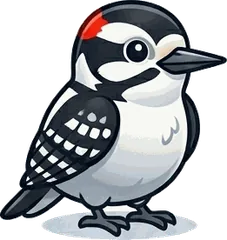 Downy Woodpecker
Dryobates pubescens
Downy Woodpecker
Dryobates pubescens - #029
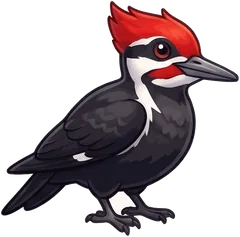 Pileated Woodpecker
Dryocopus pileatus
Pileated Woodpecker
Dryocopus pileatus - #030
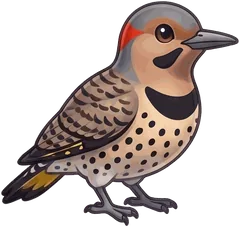 Northern Flicker
Colaptes auratus
Northern Flicker
Colaptes auratus - #041
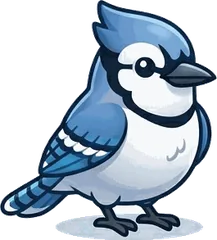 Blue Jay
Cyanocitta cristata
Blue Jay
Cyanocitta cristata - #042
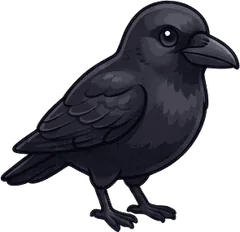 American Crow
Corvus brachyrhynchos
American Crow
Corvus brachyrhynchos - #044
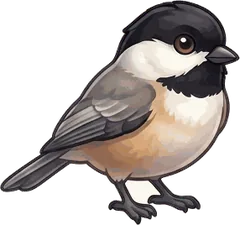 Carolina Chickadee
Poecile carolinensis
Carolina Chickadee
Poecile carolinensis - #046
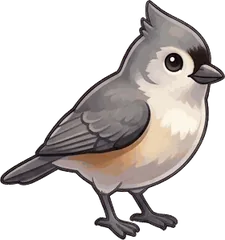 Tufted Titmouse
Baeolophus bicolor
Tufted Titmouse
Baeolophus bicolor - #051
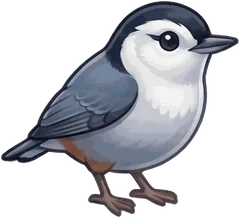 White-breasted Nuthatch
Sitta carolinensis
White-breasted Nuthatch
Sitta carolinensis - #056
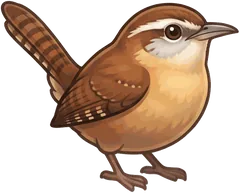 Carolina Wren
Thryothorus ludovicianus
Carolina Wren
Thryothorus ludovicianus - #057
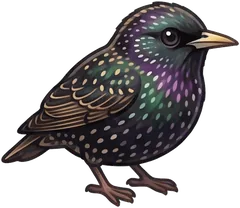 European Starling
Sturnus vulgaris
European Starling
Sturnus vulgaris - #060
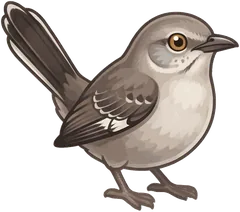 Northern Mockingbird
Mimus polyglottos
Northern Mockingbird
Mimus polyglottos - #061
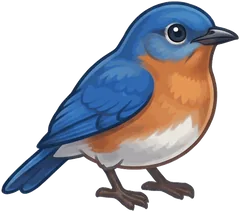 Eastern Bluebird
Sialia sialis
Eastern Bluebird
Sialia sialis - #064
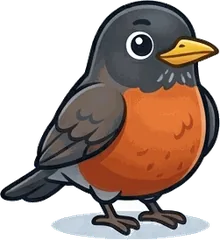 American Robin
Turdus migratorius
American Robin
Turdus migratorius - #066
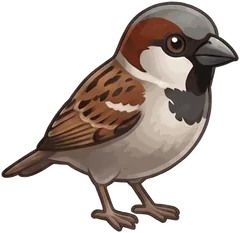 House Sparrow
Passer domesticus
House Sparrow
Passer domesticus - #067
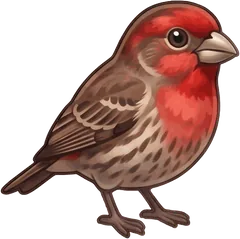 House Finch
Haemorhous mexicanus
House Finch
Haemorhous mexicanus - #069
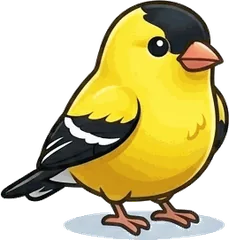 American Goldfinch
Spinus tristis
American Goldfinch
Spinus tristis - #074
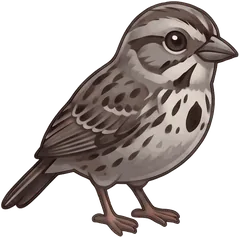 Song Sparrow
Melospiza melodia
Song Sparrow
Melospiza melodia - #076
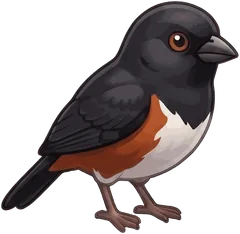 Eastern Towhee
Pipilo erythrophthalmus
Eastern Towhee
Pipilo erythrophthalmus - #080
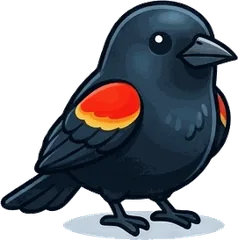 Red-winged Blackbird
Agelaius phoeniceus
Red-winged Blackbird
Agelaius phoeniceus - #098
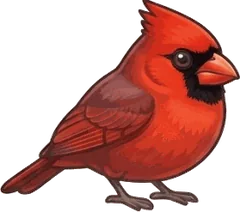 Northern Cardinal
Cardinalis cardinalis
Northern Cardinal
Cardinalis cardinalis
Uncommon 35 cards
- #009
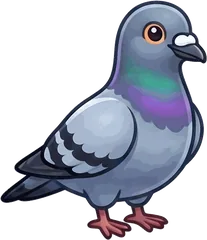 Rock Pigeon
Columba livia
Rock Pigeon
Columba livia - #012
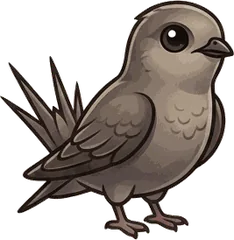 Chimney Swift
Chaetura pelagica
Chimney Swift
Chaetura pelagica - #013
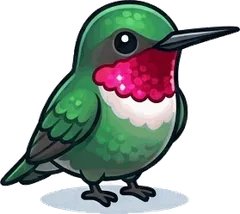 Ruby-throated Hummingbird
Archilochus colubris
Ruby-throated Hummingbird
Archilochus colubris - #014
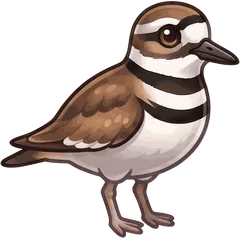 Killdeer
Charadrius vociferus
Killdeer
Charadrius vociferus - #017
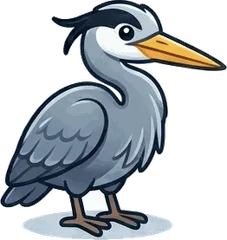 Great Blue Heron
Ardea herodias
Great Blue Heron
Ardea herodias - #023
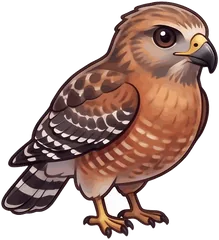 Red-shouldered Hawk
Buteo lineatus
Red-shouldered Hawk
Buteo lineatus - #024
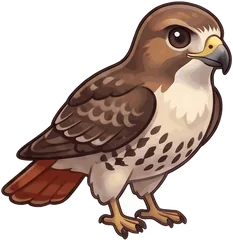 Red-tailed Hawk
Buteo jamaicensis
Red-tailed Hawk
Buteo jamaicensis - #025
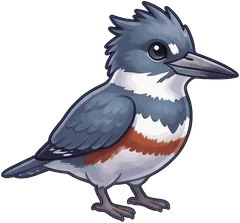 Belted Kingfisher
Megaceryle alcyon
Belted Kingfisher
Megaceryle alcyon - #032
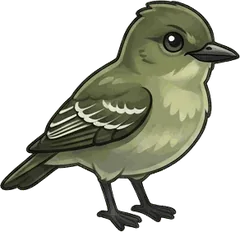 Eastern Wood-Pewee
Contopus virens
Eastern Wood-Pewee
Contopus virens - #034
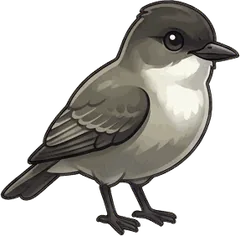 Eastern Phoebe
Sayornis phoebe
Eastern Phoebe
Sayornis phoebe - #039
 ?Catch it to find out
 - #040
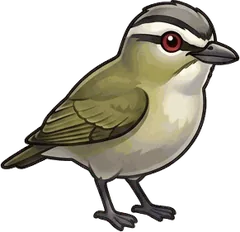 Red-eyed Vireo
Vireo olivaceus
Red-eyed Vireo
Vireo olivaceus - #043
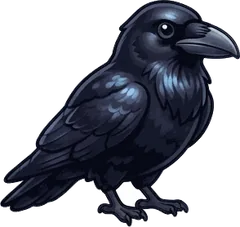 Common Raven
Corvus corax
Common Raven
Corvus corax - #045
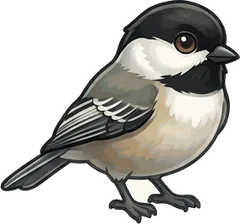 Black-capped Chickadee
Poecile atricapillus
Black-capped Chickadee
Poecile atricapillus - #047
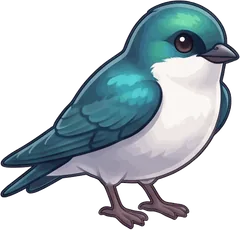 Tree Swallow
Tachycineta bicolor
Tree Swallow
Tachycineta bicolor - #049
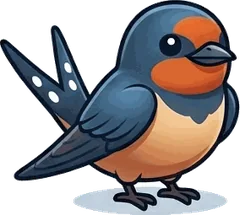 Barn Swallow
Hirundo rustica
Barn Swallow
Hirundo rustica - #054
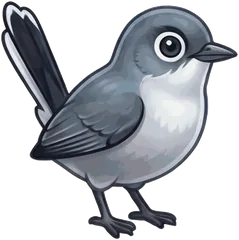 Blue-gray Gnatcatcher
Polioptila caerulea
Blue-gray Gnatcatcher
Polioptila caerulea - #055
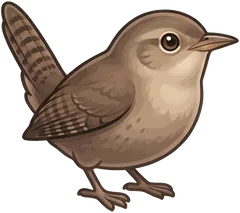 House Wren
Troglodytes aedon
House Wren
Troglodytes aedon - #058
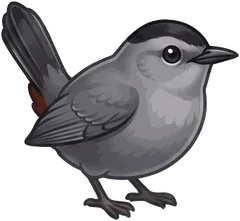 Gray Catbird
Dumetella carolinensis
Gray Catbird
Dumetella carolinensis - #059
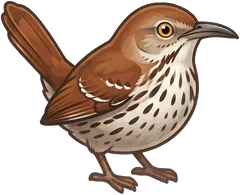 Brown Thrasher
Toxostoma rufum
Brown Thrasher
Toxostoma rufum - #063
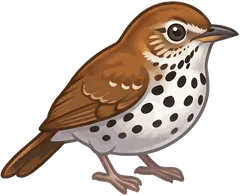 Wood Thrush
Hylocichla mustelina
Wood Thrush
Hylocichla mustelina - #065
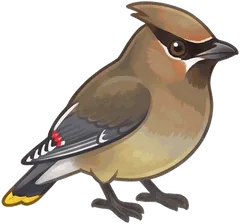 Cedar Waxwing
Bombycilla cedrorum
Cedar Waxwing
Bombycilla cedrorum - #070
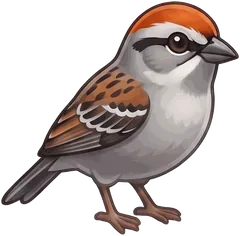 Chipping Sparrow
Spizella passerina
Chipping Sparrow
Spizella passerina - #071
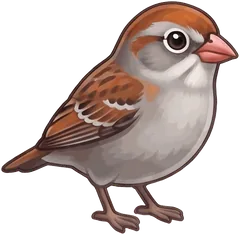 Field Sparrow
Spizella pusilla
Field Sparrow
Spizella pusilla - #072
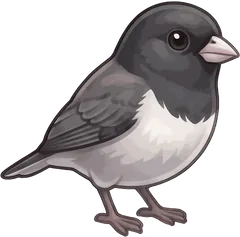 Dark-eyed Junco
Junco hyemalis
Dark-eyed Junco
Junco hyemalis - #073
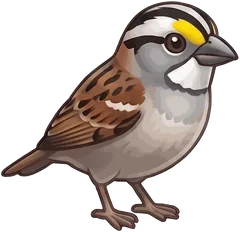 White-throated Sparrow
Zonotrichia albicollis
White-throated Sparrow
Zonotrichia albicollis - #081
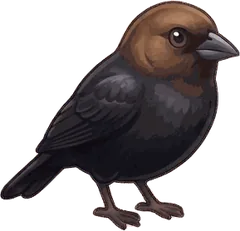 Brown-headed Cowbird
Molothrus ater
Brown-headed Cowbird
Molothrus ater - #082
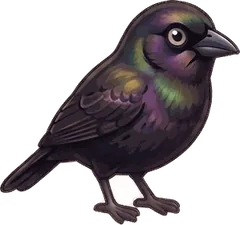 Common Grackle
Quiscalus quiscula
Common Grackle
Quiscalus quiscula - #083
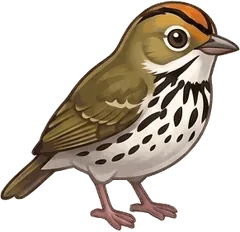 Ovenbird
Seiurus aurocapilla
Ovenbird
Seiurus aurocapilla - #086
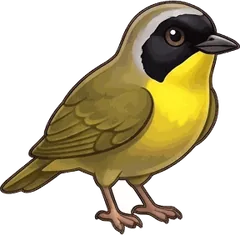 Common Yellowthroat
Geothlypis trichas
Common Yellowthroat
Geothlypis trichas - #088
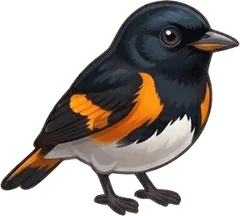 American Redstart
Setophaga ruticilla
American Redstart
Setophaga ruticilla - #094
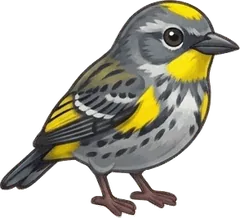 Yellow-rumped Warbler
Setophaga coronata
Yellow-rumped Warbler
Setophaga coronata - #096
 ?Catch it to find out
 - #097
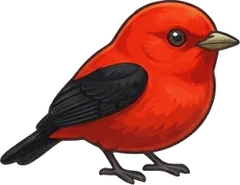 Scarlet Tanager
Piranga olivacea
Scarlet Tanager
Piranga olivacea - #100
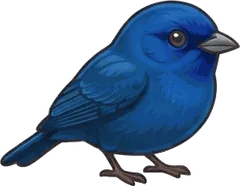 Indigo Bunting
Passerina cyanea
Indigo Bunting
Passerina cyanea
Rare 30 cards
- #002
 ?Catch it to reveal
 - #005
 ?Catch it to find out
 - #006
 ?Catch it to find out
 - #007
 ?Catch it to find out
 - #008?Catch it to reveal
- #011
 ?Catch it to find out
 - #015
 ?Catch it to find out
 - #016
 ?Catch it to find out
 - #018
 ?Catch it to find out
 - #021?Catch it to reveal
- #026?Catch it to reveal
- #031?Catch it to reveal
- #033
 ?Catch it to find out
 - #035?Catch it to reveal
- #036?Catch it to reveal
- #037
 ?Catch it to find out
 - #038
 ?Catch it to find out
 - #048
 ?Catch it to find out
 - #050?Catch it to reveal
- #077?Catch it to reveal
- #079?Catch it to reveal
- #084
 ?Catch it to find out
 - #085?Catch it to reveal
- #087
 ?Catch it to find out
 - #089?Catch it to reveal
- #090
 ?Catch it to find out
 - #091?Catch it to reveal
- #092
 ?Catch it to find out
 - #095
 ?Catch it to find out
 - #099?Catch it to reveal
Legendary 10 cards
- #004
 ?Catch it to find out
 - #020?Catch it to reveal
- #022
 ?Catch it to find out
 - #052?Catch it to reveal
- #053?Catch it to reveal
- #062?Catch it to reveal
- #068?Catch it to reveal
- #075
 ?Catch it to find out
 - #078
 ?Catch it to find out
 - #093
 ?Catch it to find out
 57 of the 100 cards are shown here. The other 43, including all 30 rare and 10 legendary birds, are yours to discover. Get Warble and start with the common ones.
Backyard birds you will hear first
The Northern Cardinal leads, singing from late winter through summer and chipping from the brush the rest of the year. The American Crow and the Blue Jay are next, the caws and screams that carry across a valley, and the American Robin sings its rolling phrases from the first light in April. The Song Sparrow rounds out the top five, three clear notes and a jumble from the roadside brush and the creek banks.
The Tufted Titmouse whistles peter, peter, peter through the oaks, and the Carolina Wren shouts teakettle from the woodpile in any month. The Mourning Dove coos from the wire, the American Goldfinch calls po-ta-to-chip overhead, the Red-bellied Woodpecker rolls a churr from the trunks, and the White-breasted Nuthatch gives its nasal yank, yank while walking headfirst down the bark.
The regions, by ear
The Ohio River and the western hills
Low, folded hills, farms and river towns. This is where the album's top twelve were recorded, with Eastern Towhees in the brushy hillsides, Indigo Buntings on the power lines from May, and Yellow-throated Warblers singing from the sycamores along the river.
The coalfields and the New River
Deep gorges and steep hardwood forest in the south. The New River Gorge is warbler, vireo and thrush country from May, with Peregrine Falcons back on the cliffs. The Wood Thrush at dusk in the gorge is one of the best sounds in the state.
The Allegheny highlands
Red spruce, northern hardwoods and high bogs. The Monongahela National Forest, established in 1920, covers more than 921,000 acres and has 230 known bird species, 159 of them breeding, with Spruce Knob as its high point. Dolly Sods, 17,371 acres of wilderness, and the Cranberry Glades are the places where the forest opens into heath and bog. Up here the dawn chorus is Hermit Thrushes, Veeries, Winter Wrens, Blackburnian and Canada Warblers and Dark-eyed Juncos, with Golden-crowned Kinglets lisping in the spruce tops.
Canaan Valley
A high bowl in Tucker County at 3,200 feet, holding the largest high-elevation wetland complex in the state, about 8,400 acres. Canaan Valley National Wildlife Refuge, established on August 11, 1994 as the 500th refuge in the national system, manages 5,225 acres of wetland, forest and shrub and 13 miles of the Blackwater River, with plants and animals normally found much farther north. The sound is Alder Flycatchers calling free beer from the shrubs and American Woodcocks peenting at dusk in April.
Best months to listen
Late April into May is the peak in the valleys, with the residents on territory and the warblers arriving. The highlands run two or three weeks behind: late May and June are the months for the spruce country, and the thrushes are still singing at dusk in Canaan Valley in early July.
Winter in the lowlands is cardinals, titmice, nuthatches and wrens at the feeder. In any season, be out at first light; by mid-morning the hollows go quiet.
Places worth the drive
- Canaan Valley National Wildlife Refuge, Tucker County: high wetland at 3,200 feet, northern birds, woodcocks at dusk in spring.
- Dolly Sods and Spruce Knob, Monongahela National Forest: Hermit Thrushes and northern warblers in red spruce, June.
- Cranberry Glades: bog birds and a boardwalk, with Swainson's Thrushes nearby in the big hemlocks.
None of it is required. A hillside yard in Beckley or Parkersburg, with one oak and a feeder, hands you the first 20 cards in Warble.
Listen before you go
Three of the common West Virginia birds, so the first songs you hear outside already ring a bell.
Recording by Chase Harris, CC0, via iNaturalist.
Recording by Fionn Ó Marcaigh, CC BY 4.0, via iNaturalist.
Recording by Richard Littauer, CC BY 4.0, via iNaturalist.
Questions people ask
What is the most common bird in West Virginia?
By the reports behind the album, the Northern Cardinal, then the American Crow, the Blue Jay, the American Robin and the Song Sparrow, with the Tufted Titmouse and the Carolina Wren close behind.
What is the state bird of West Virginia?
The Northern Cardinal, adopted in 1949. Virginia picked the same bird the following year. It is also the most reported bird in the state.
How many bird species are there in West Virginia?
354 species as of July 2021, according to the West Virginia Bird Records Committee of the Brooks Bird Club, including 65 rare and 5 introduced species. The Warble album covers the 100 reported most often.
Nearby albums
Sources
- Wikipedia: List of birds of West Virginia. en.wikipedia.org/wiki/List_of_birds_of_West_Virginia
- Wikipedia: List of U.S. state birds. en.wikipedia.org/wiki/List_of_U.S._state_birds
- U.S. Fish and Wildlife Service: Canaan Valley National Wildlife Refuge. www.fws.gov/refuge/canaan-valley
- Wikipedia: Monongahela National Forest. en.wikipedia.org/wiki/Monongahela_National_Forest