 Warble
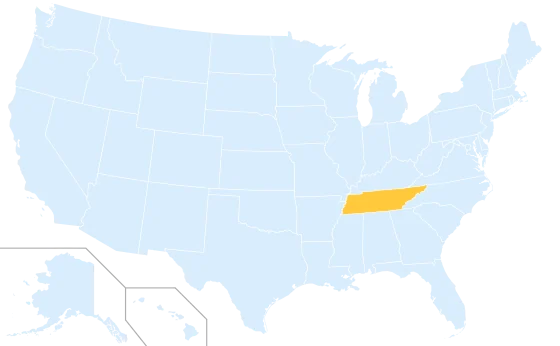
The state bird: Northern Mockingbird
Adopted in 1933. A gray bird with white wing flashes that sings from the highest perch it can find, repeating each stolen phrase a few times before switching, and keeping it up after dark in spring when it has not found a mate.
Recording by Kristi Zoebelein, CC0, via iNaturalist.
The Tennessee Bird Records Committee listed 423 species as of February 2020, with 41 of them accidental, 5 introduced and 2 extinct. The state is long and thin and tilts from the Mississippi River in the west, past the Tennessee River and the Nashville basin, up onto the Cumberland Plateau and into the Smokies.
For a beginner, the first dozen are the same from Memphis to Knoxville, and every one of them stays all year, so you can learn them in January when nothing else is making noise.
The Tennessee album
These are the 100 birds people report most often in Tennessee, ranked by how frequently they turn up. The common and uncommon ones are shown; the rare and legendary cards stay face down until you catch them in the game.
Common 25 cards
- #001
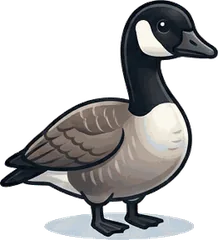 Canada Goose
Branta canadensis
Canada Goose
Branta canadensis - #005
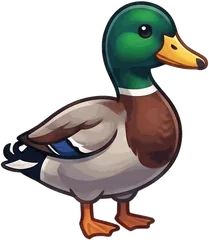 Mallard
Anas platyrhynchos
Mallard
Anas platyrhynchos - #010
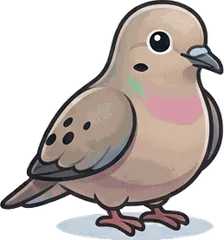 Mourning Dove
Zenaida macroura
Mourning Dove
Zenaida macroura - #020
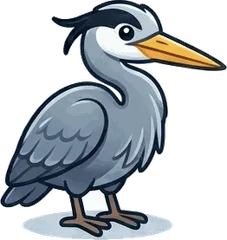 Great Blue Heron
Ardea herodias
Great Blue Heron
Ardea herodias - #022
 ?Catch it to find out
 - #031
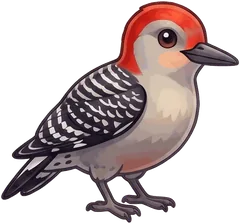 Red-bellied Woodpecker
Melanerpes carolinus
Red-bellied Woodpecker
Melanerpes carolinus - #032
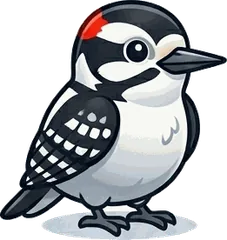 Downy Woodpecker
Dryobates pubescens
Downy Woodpecker
Dryobates pubescens - #038
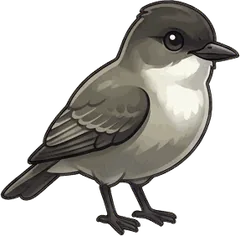 Eastern Phoebe
Sayornis phoebe
Eastern Phoebe
Sayornis phoebe - #044
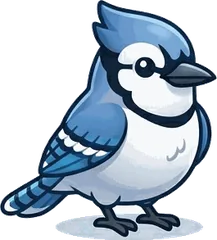 Blue Jay
Cyanocitta cristata
Blue Jay
Cyanocitta cristata - #045
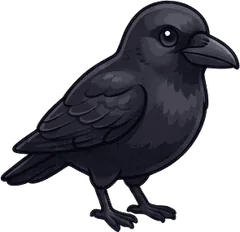 American Crow
Corvus brachyrhynchos
American Crow
Corvus brachyrhynchos - #047
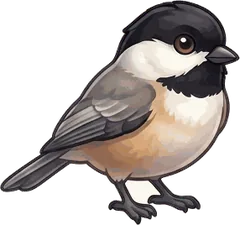 Carolina Chickadee
Poecile carolinensis
Carolina Chickadee
Poecile carolinensis - #048
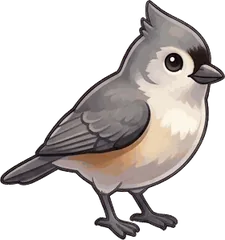 Tufted Titmouse
Baeolophus bicolor
Tufted Titmouse
Baeolophus bicolor - #054
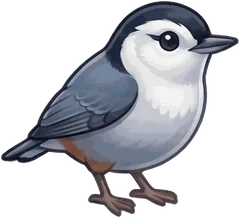 White-breasted Nuthatch
Sitta carolinensis
White-breasted Nuthatch
Sitta carolinensis - #057
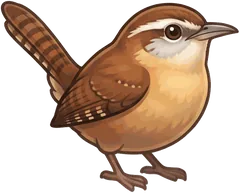 Carolina Wren
Thryothorus ludovicianus
Carolina Wren
Thryothorus ludovicianus - #058
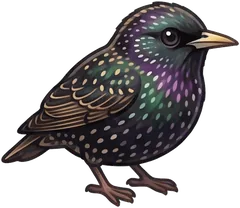 European Starling
Sturnus vulgaris
European Starling
Sturnus vulgaris - #061
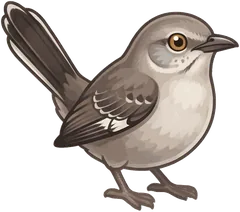 Northern Mockingbird
Mimus polyglottos
Northern Mockingbird
Mimus polyglottos - #062
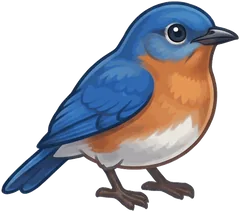 Eastern Bluebird
Sialia sialis
Eastern Bluebird
Sialia sialis - #065
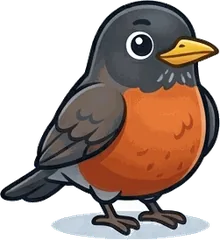 American Robin
Turdus migratorius
American Robin
Turdus migratorius - #068
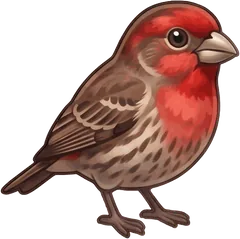 House Finch
Haemorhous mexicanus
House Finch
Haemorhous mexicanus - #069
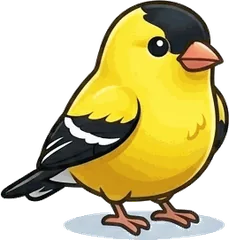 American Goldfinch
Spinus tristis
American Goldfinch
Spinus tristis - #073
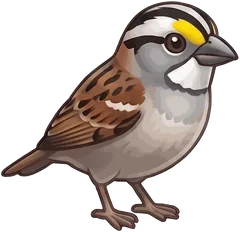 White-throated Sparrow
Zonotrichia albicollis
White-throated Sparrow
Zonotrichia albicollis - #074
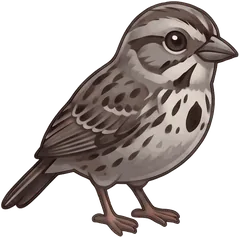 Song Sparrow
Melospiza melodia
Song Sparrow
Melospiza melodia - #076
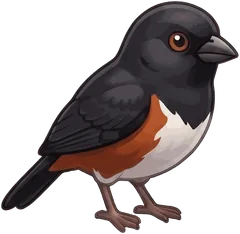 Eastern Towhee
Pipilo erythrophthalmus
Eastern Towhee
Pipilo erythrophthalmus - #080
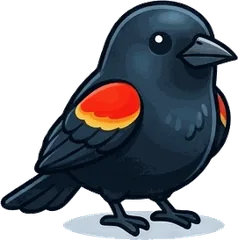 Red-winged Blackbird
Agelaius phoeniceus
Red-winged Blackbird
Agelaius phoeniceus - #097
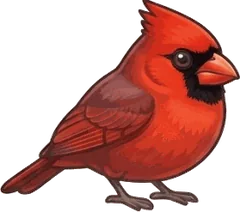 Northern Cardinal
Cardinalis cardinalis
Northern Cardinal
Cardinalis cardinalis
Uncommon 35 cards
- #002
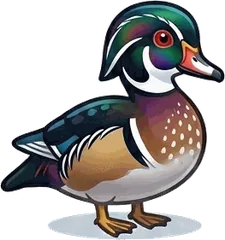 Wood Duck
Aix sponsa
Wood Duck
Aix sponsa - #009
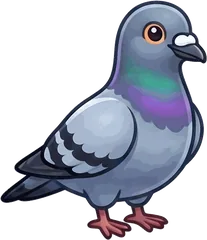 Rock Pigeon
Columba livia
Rock Pigeon
Columba livia - #012
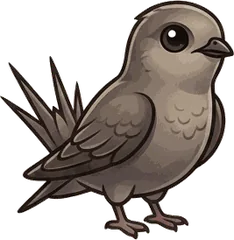 Chimney Swift
Chaetura pelagica
Chimney Swift
Chaetura pelagica - #013
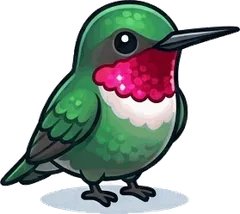 Ruby-throated Hummingbird
Archilochus colubris
Ruby-throated Hummingbird
Archilochus colubris - #015
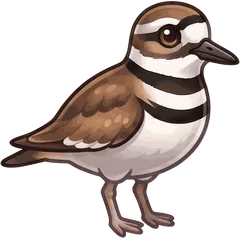 Killdeer
Charadrius vociferus
Killdeer
Charadrius vociferus - #016
 ?Catch it to find out
 - #017
 ?Catch it to find out
 - #021
 ?Catch it to find out
 - #024
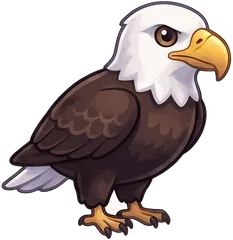 Bald Eagle
Haliaeetus leucocephalus
Bald Eagle
Haliaeetus leucocephalus - #025
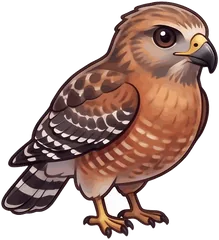 Red-shouldered Hawk
Buteo lineatus
Red-shouldered Hawk
Buteo lineatus - #026
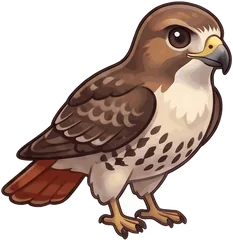 Red-tailed Hawk
Buteo jamaicensis
Red-tailed Hawk
Buteo jamaicensis - #028
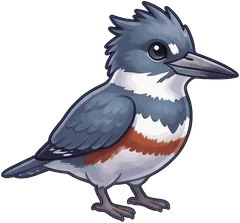 Belted Kingfisher
Megaceryle alcyon
Belted Kingfisher
Megaceryle alcyon - #033
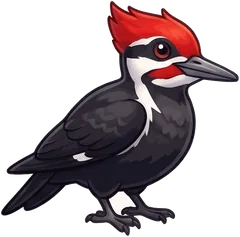 Pileated Woodpecker
Dryocopus pileatus
Pileated Woodpecker
Dryocopus pileatus - #034
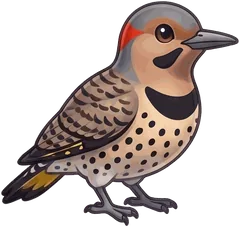 Northern Flicker
Colaptes auratus
Northern Flicker
Colaptes auratus - #036
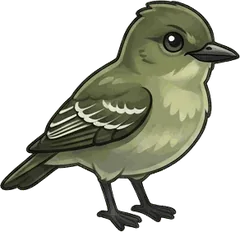 Eastern Wood-Pewee
Contopus virens
Eastern Wood-Pewee
Contopus virens - #040
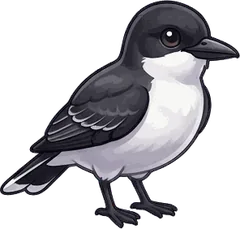 Eastern Kingbird
Tyrannus tyrannus
Eastern Kingbird
Tyrannus tyrannus - #041
 ?Catch it to find out
 - #043
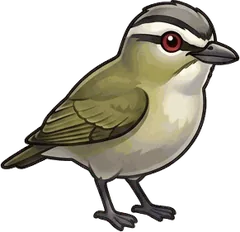 Red-eyed Vireo
Vireo olivaceus
Red-eyed Vireo
Vireo olivaceus - #049
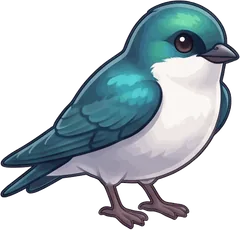 Tree Swallow
Tachycineta bicolor
Tree Swallow
Tachycineta bicolor - #051
 ?Catch it to find out
 - #052
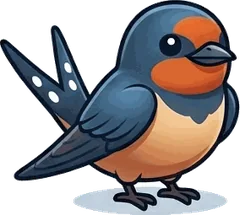 Barn Swallow
Hirundo rustica
Barn Swallow
Hirundo rustica - #055
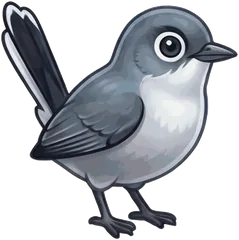 Blue-gray Gnatcatcher
Polioptila caerulea
Blue-gray Gnatcatcher
Polioptila caerulea - #060
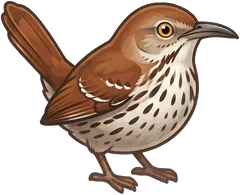 Brown Thrasher
Toxostoma rufum
Brown Thrasher
Toxostoma rufum - #066
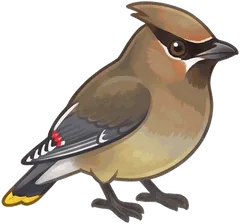 Cedar Waxwing
Bombycilla cedrorum
Cedar Waxwing
Bombycilla cedrorum - #067
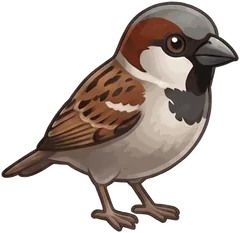 House Sparrow
Passer domesticus
House Sparrow
Passer domesticus - #070
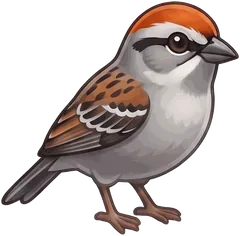 Chipping Sparrow
Spizella passerina
Chipping Sparrow
Spizella passerina - #071
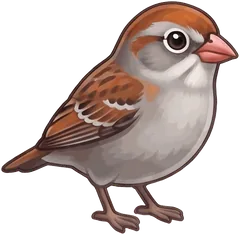 Field Sparrow
Spizella pusilla
Field Sparrow
Spizella pusilla - #072
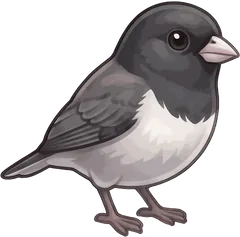 Dark-eyed Junco
Junco hyemalis
Dark-eyed Junco
Junco hyemalis - #078
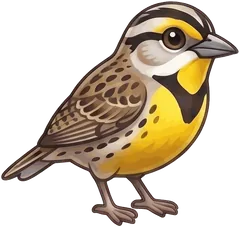 Eastern Meadowlark
Sturnella magna
Eastern Meadowlark
Sturnella magna - #081
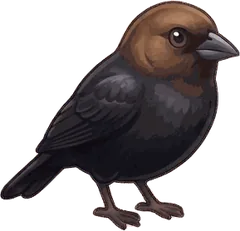 Brown-headed Cowbird
Molothrus ater
Brown-headed Cowbird
Molothrus ater - #082
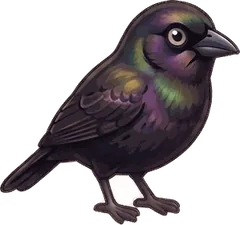 Common Grackle
Quiscalus quiscula
Common Grackle
Quiscalus quiscula - #085
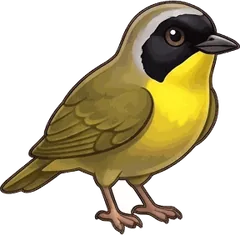 Common Yellowthroat
Geothlypis trichas
Common Yellowthroat
Geothlypis trichas - #088
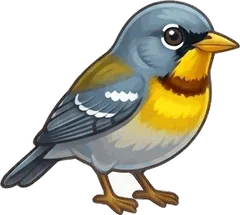 Northern Parula
Setophaga americana
Northern Parula
Setophaga americana - #092
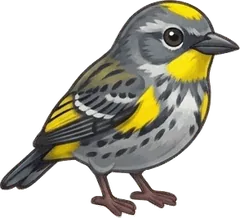 Yellow-rumped Warbler
Setophaga coronata
Yellow-rumped Warbler
Setophaga coronata - #100
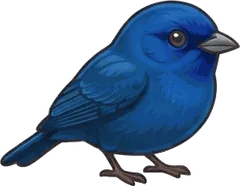 Indigo Bunting
Passerina cyanea
Indigo Bunting
Passerina cyanea
Rare 30 cards
- #004
 ?Catch it to find out
 - #008
 ?Catch it to reveal
 - #011
 ?Catch it to find out
 - #014
 ?Catch it to find out
 - #018
 ?Catch it to find out
 - #019
 ?Catch it to find out
 - #023?Catch it to reveal
- #029?Catch it to reveal
- #030?Catch it to reveal
- #035?Catch it to reveal
- #039?Catch it to reveal
- #042
 ?Catch it to find out
 - #050?Catch it to reveal
- #053?Catch it to reveal
- #059?Catch it to reveal
- #063?Catch it to reveal
- #064?Catch it to reveal
- #075
 ?Catch it to find out
 - #077
 ?Catch it to find out
 - #079
 ?Catch it to find out
 - #083?Catch it to reveal
- #084
 ?Catch it to find out
 - #086
 ?Catch it to find out
 - #090
 ?Catch it to find out
 - #091?Catch it to reveal
- #093
 ?Catch it to find out
 - #094
 ?Catch it to find out
 - #095?Catch it to reveal
- #096?Catch it to reveal
- #099
 ?Catch it to find out
Legendary 10 cards
- #003
 ?Catch it to find out
 - #006
 ?Catch it to find out
 - #007
 ?Catch it to find out
 - #027?Catch it to reveal
- #037
 ?Catch it to find out
 - #046?Catch it to reveal
- #056?Catch it to reveal
- #087?Catch it to reveal
- #089
 ?Catch it to find out
 - #098?Catch it to reveal
 54 of the 100 cards are shown here. The other 46, including all 30 rare and 10 legendary birds, are yours to discover. Get Warble and start with the common ones.
Backyard birds you will hear first
The Northern Cardinal leads the album and the dawn chorus, a clear cheer, cheer, cheer that starts in February and runs through summer, with a sharp metallic chip the rest of the day. Right behind it is the Carolina Wren, a small rusty bird with a voice sized for something much larger: teakettle, teakettle, teakettle from under the deck, in any month, in any weather.
The Carolina Chickadee is the chickadee here, not the Black-capped one of the northern states, with a faster, higher four-note whistle. Its usual companion is the Tufted Titmouse, whistling peter, peter, peter through the oaks. The Blue Jay screams, the American Crow caws from the field edge, the Mourning Dove moans from the wire, and the Red-bellied Woodpecker rolls out a rising churr from the big trees.
The Eastern Bluebird rounds out the top twelve, which says something about how much pasture and fence line Tennessee still has. Its soft tur-a-lee from a post is one of the quietest songs in the album.
The regions, by ear
West Tennessee and the Mississippi
Flat bottomland, river and cypress. Reelfoot Lake in the far northwest corner is where the state's winter gets loud, with ducks, geese and Bald Eagles on the water from late fall, and Prothonotary Warblers singing a ringing sweet, sweet, sweet from the flooded timber in summer.
The Tennessee River and Middle Tennessee
Kentucky Lake and the farm country around Nashville. Tennessee National Wildlife Refuge, established in 1945, runs more than 51,000 acres along 65 miles of the Tennessee River in three units, Big Sandy, Duck River and Busseltown, with more than 300 bird species recorded on its crop fields, mudflats, wetlands and forest. Around Nashville the cedar glades and pastures are bluebird and Field Sparrow country, with Indigo Buntings on every roadside wire from May.
The Cumberland Plateau
Sandstone gorges, hemlock and oak, and deep-woods singing: Wood Thrush at dusk, Scarlet Tanager overhead, Ovenbird shouting teacher, teacher from the ground, Louisiana Waterthrush along the creeks in March before the leaves are out.
The Smokies and East Tennessee
Great Smoky Mountains National Park has documented more than 240 species, with about 60 that live in the park year-round and nearly 120 that nest there in the warm months, 52 of them neotropical migrants. Warblers are the most diverse group in the park: Chestnut-sided, Blackburnian, Kentucky and Prairie Warblers in the lower woods, Canada Warblers up on Kuwohi Road. Cades Cove's meadows add sparrows, Eastern Kingbirds and Northern Harriers; Cataloochee Valley adds Wild Turkeys and raptors.
Best months to listen
Late April into May is the peak statewide: the residents are on territory, the migrants are passing through, and the Smokies are filling with warblers from the bottom up. The park's own advice is early mornings in spring and fall migration, and Newfound Gap Road in spring and early summer. June is still full in the mountains after the lowlands have gone quiet in the heat.
Winter has its own schedule. The waterfowl and the eagles settle on Reelfoot and Kentucky Lake, the Carolina Wren keeps singing through the cold, and the cardinal starts again on the first warm afternoon in February.
Places worth the drive
- Reelfoot Lake, northwest corner: cypress, winter waterfowl and Bald Eagles.
- Tennessee National Wildlife Refuge, Kentucky Lake: 51,000 acres on 65 miles of river, more than 300 species, winter ducks and geese.
- Great Smoky Mountains National Park: more than 240 species, warblers by elevation, Cades Cove for open-country birds and Kuwohi Road for the high ones.
None of them are required. A backyard with one oak and a brush pile in Chattanooga or Jackson hands you the first 20 cards in Warble.
Listen before you go
Three of the common Tennessee birds, so the first songs you hear outside already ring a bell.
Recording by Chase Harris, CC0, via iNaturalist.
Recording by Chase Harris, CC0, via iNaturalist.
Recording by Fionn Ó Marcaigh, CC BY 4.0, via iNaturalist.
Questions people ask
What is the most common bird in Tennessee?
By the reports behind the album, the Northern Cardinal, then the Carolina Wren, the Carolina Chickadee, the American Crow and the Blue Jay. All five stay in the state through the year.
What is the state bird of Tennessee?
The Northern Mockingbird, adopted in 1933. It is also the usual answer to the question of what is singing at midnight in a Tennessee neighborhood in April.
How many bird species are there in Tennessee?
423 species as of February 2020, according to the Tennessee Bird Records Committee, including 41 accidental and 5 introduced species and 2 that are extinct. The Warble album covers the 100 reported most often.
Nearby albums
Sources
- Wikipedia: List of birds of Tennessee. en.wikipedia.org/wiki/List_of_birds_of_Tennessee
- Wikipedia: List of U.S. state birds. en.wikipedia.org/wiki/List_of_U.S._state_birds
- U.S. Fish and Wildlife Service: Tennessee National Wildlife Refuge. www.fws.gov/refuge/tennessee
- National Park Service: Birds, Great Smoky Mountains National Park. www.nps.gov/grsm/learn/nature/birds.htm