 Warble
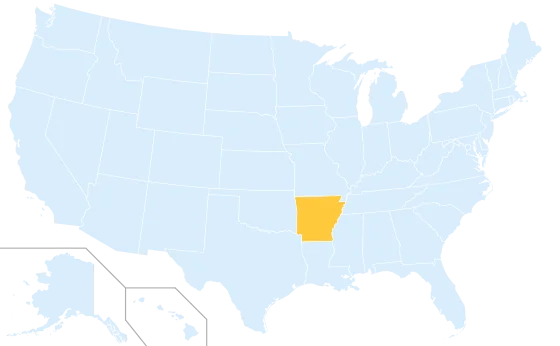
The state bird: Northern Mockingbird
Adopted in 1929. A gray bird on a fence post that borrows from every other bird in earshot, and from car alarms and squeaky gates too, and will sing under a streetlight at midnight in spring.
Recording by Kristi Zoebelein, CC0, via iNaturalist.
Arkansas splits along a diagonal. Northwest of it are the highlands: the Ozarks in the north, oak and hickory on limestone, and the Ouachitas in the west, long pine-covered ridges running east to west. Southeast of it is the lowland: the Delta along the Mississippi, with the biggest surviving stretch of bottomland hardwood forest on the continent, and the piney Gulf Coastal Plain. The highlands sound like Appalachia. The Delta sounds like Louisiana.
In a yard in Little Rock or Fayetteville the difference disappears. Cardinal, Carolina Wren, chickadee, titmouse, Blue Jay, Mourning Dove, robin, Red-bellied Woodpecker and a mockingbird on the mailbox: learn those and you have the first fifteen of the album by spring.
The Arkansas album
These are the 100 birds people report most often in Arkansas, ranked by how frequently they turn up. The common and uncommon ones are shown; the rare and legendary cards stay face down until you catch them in the game.
Common 25 cards
- #002
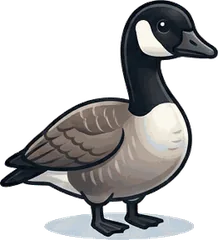 Canada Goose
Branta canadensis
Canada Goose
Branta canadensis - #012
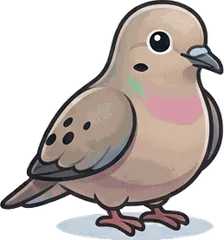 Mourning Dove
Zenaida macroura
Mourning Dove
Zenaida macroura - #022
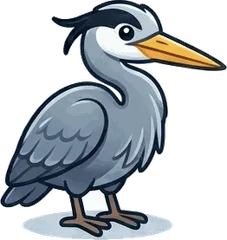 Great Blue Heron
Ardea herodias
Great Blue Heron
Ardea herodias - #025
 ?Catch it to find out
 - #035
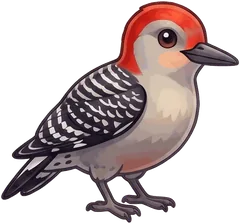 Red-bellied Woodpecker
Melanerpes carolinus
Red-bellied Woodpecker
Melanerpes carolinus - #036
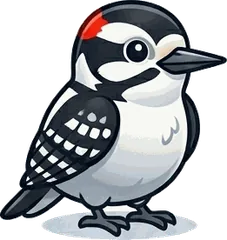 Downy Woodpecker
Dryobates pubescens
Downy Woodpecker
Dryobates pubescens - #038
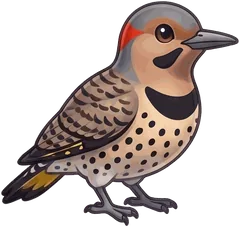 Northern Flicker
Colaptes auratus
Northern Flicker
Colaptes auratus - #049
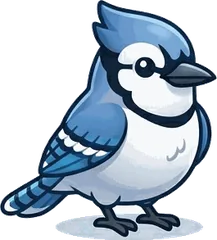 Blue Jay
Cyanocitta cristata
Blue Jay
Cyanocitta cristata - #050
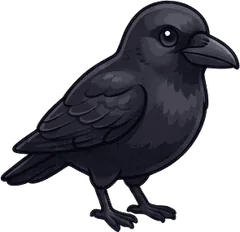 American Crow
Corvus brachyrhynchos
American Crow
Corvus brachyrhynchos - #052
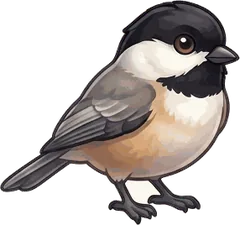 Carolina Chickadee
Poecile carolinensis
Carolina Chickadee
Poecile carolinensis - #053
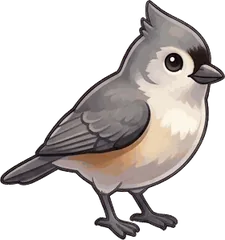 Tufted Titmouse
Baeolophus bicolor
Tufted Titmouse
Baeolophus bicolor - #059
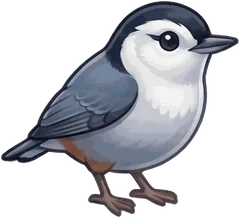 White-breasted Nuthatch
Sitta carolinensis
White-breasted Nuthatch
Sitta carolinensis - #063
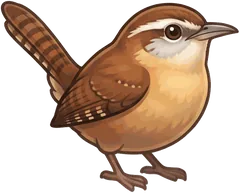 Carolina Wren
Thryothorus ludovicianus
Carolina Wren
Thryothorus ludovicianus - #064
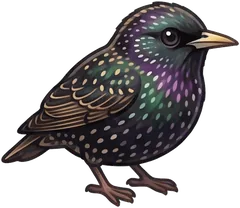 European Starling
Sturnus vulgaris
European Starling
Sturnus vulgaris - #067
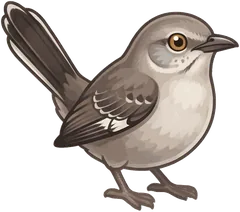 Northern Mockingbird
Mimus polyglottos
Northern Mockingbird
Mimus polyglottos - #068
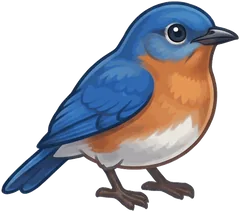 Eastern Bluebird
Sialia sialis
Eastern Bluebird
Sialia sialis - #069
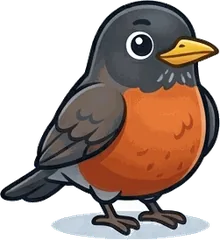 American Robin
Turdus migratorius
American Robin
Turdus migratorius - #071
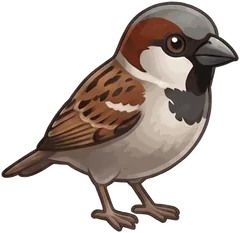 House Sparrow
Passer domesticus
House Sparrow
Passer domesticus - #072
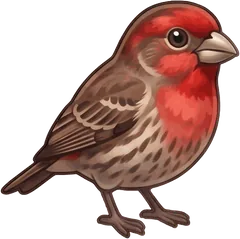 House Finch
Haemorhous mexicanus
House Finch
Haemorhous mexicanus - #073
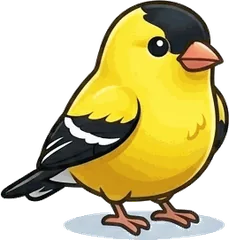 American Goldfinch
Spinus tristis
American Goldfinch
Spinus tristis - #076
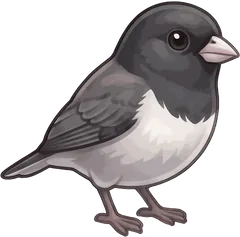 Dark-eyed Junco
Junco hyemalis
Dark-eyed Junco
Junco hyemalis - #078
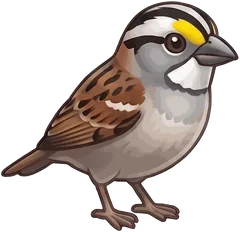 White-throated Sparrow
Zonotrichia albicollis
White-throated Sparrow
Zonotrichia albicollis - #087
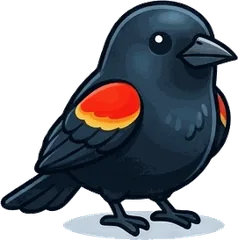 Red-winged Blackbird
Agelaius phoeniceus
Red-winged Blackbird
Agelaius phoeniceus - #097
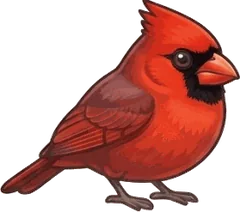 Northern Cardinal
Cardinalis cardinalis
Northern Cardinal
Cardinalis cardinalis - #099
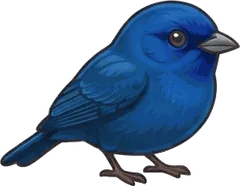 Indigo Bunting
Passerina cyanea
Indigo Bunting
Passerina cyanea
Uncommon 35 cards
- #007
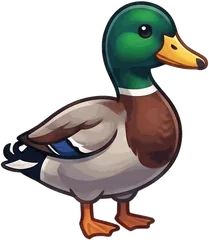 Mallard
Anas platyrhynchos
Mallard
Anas platyrhynchos - #013
 ?Catch it to find out
 - #014
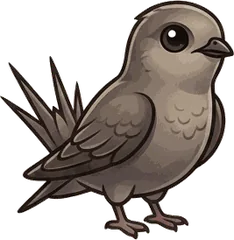 Chimney Swift
Chaetura pelagica
Chimney Swift
Chaetura pelagica - #015
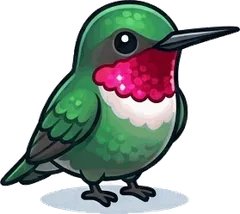 Ruby-throated Hummingbird
Archilochus colubris
Ruby-throated Hummingbird
Archilochus colubris - #017
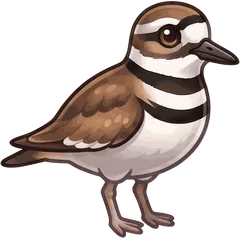 Killdeer
Charadrius vociferus
Killdeer
Charadrius vociferus - #019
 ?Catch it to find out
 - #021
 ?Catch it to find out
 - #024
 ?Catch it to find out
 - #027
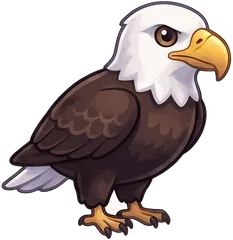 Bald Eagle
Haliaeetus leucocephalus
Bald Eagle
Haliaeetus leucocephalus - #029
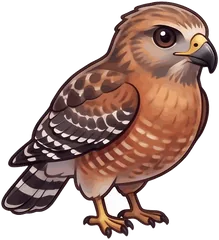 Red-shouldered Hawk
Buteo lineatus
Red-shouldered Hawk
Buteo lineatus - #030
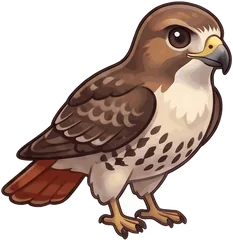 Red-tailed Hawk
Buteo jamaicensis
Red-tailed Hawk
Buteo jamaicensis - #032
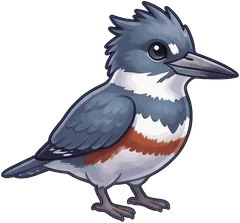 Belted Kingfisher
Megaceryle alcyon
Belted Kingfisher
Megaceryle alcyon - #034
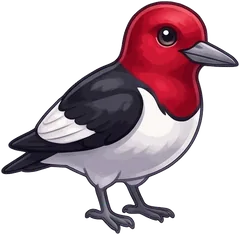 Red-headed Woodpecker
Melanerpes erythrocephalus
Red-headed Woodpecker
Melanerpes erythrocephalus - #037
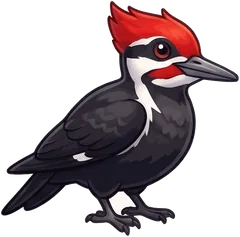 Pileated Woodpecker
Dryocopus pileatus
Pileated Woodpecker
Dryocopus pileatus - #040
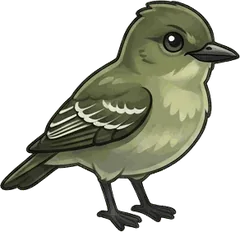 Eastern Wood-Pewee
Contopus virens
Eastern Wood-Pewee
Contopus virens - #042
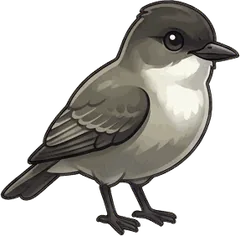 Eastern Phoebe
Sayornis phoebe
Eastern Phoebe
Sayornis phoebe - #043
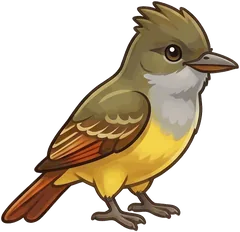 Great Crested Flycatcher
Myiarchus crinitus
Great Crested Flycatcher
Myiarchus crinitus - #044
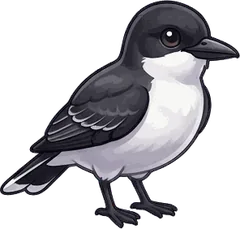 Eastern Kingbird
Tyrannus tyrannus
Eastern Kingbird
Tyrannus tyrannus - #045
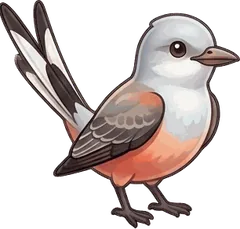 Scissor-tailed Flycatcher
Tyrannus forficatus
Scissor-tailed Flycatcher
Tyrannus forficatus - #046
 ?Catch it to find out
 - #048
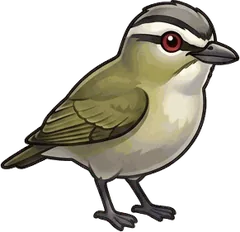 Red-eyed Vireo
Vireo olivaceus
Red-eyed Vireo
Vireo olivaceus - #051
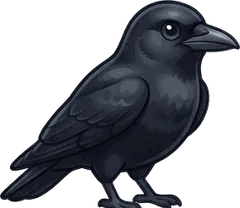 Fish Crow
Corvus ossifragus
Fish Crow
Corvus ossifragus - #057
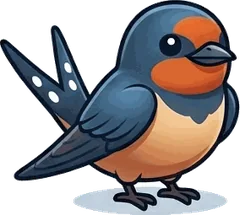 Barn Swallow
Hirundo rustica
Barn Swallow
Hirundo rustica - #062
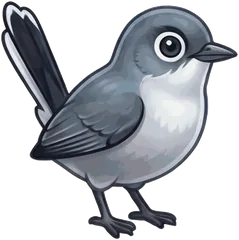 Blue-gray Gnatcatcher
Polioptila caerulea
Blue-gray Gnatcatcher
Polioptila caerulea - #066
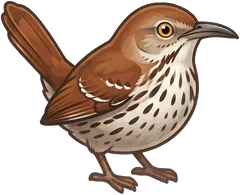 Brown Thrasher
Toxostoma rufum
Brown Thrasher
Toxostoma rufum - #070
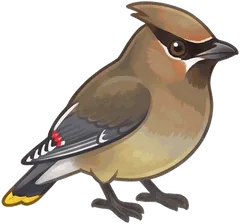 Cedar Waxwing
Bombycilla cedrorum
Cedar Waxwing
Bombycilla cedrorum - #074
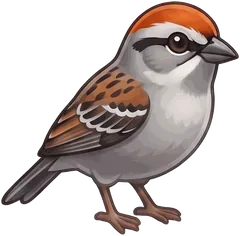 Chipping Sparrow
Spizella passerina
Chipping Sparrow
Spizella passerina - #080
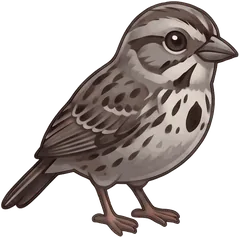 Song Sparrow
Melospiza melodia
Song Sparrow
Melospiza melodia - #084
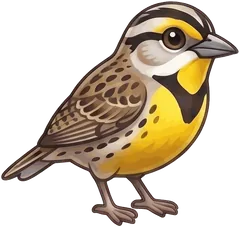 Eastern Meadowlark
Sturnella magna
Eastern Meadowlark
Sturnella magna - #088
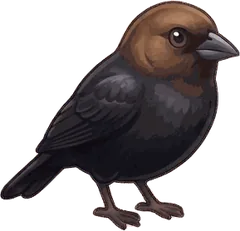 Brown-headed Cowbird
Molothrus ater
Brown-headed Cowbird
Molothrus ater - #089
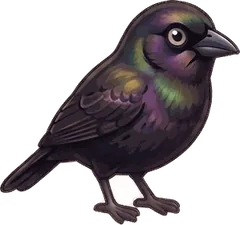 Common Grackle
Quiscalus quiscula
Common Grackle
Quiscalus quiscula - #092
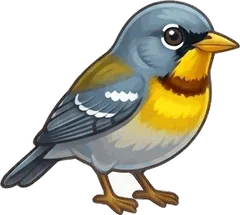 Northern Parula
Setophaga americana
Northern Parula
Setophaga americana - #093
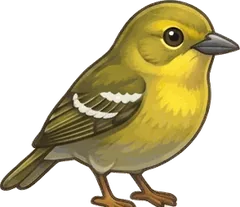 Pine Warbler
Setophaga pinus
Pine Warbler
Setophaga pinus - #094
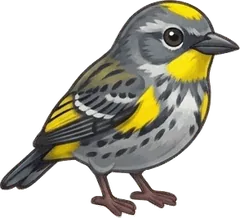 Yellow-rumped Warbler
Setophaga coronata
Yellow-rumped Warbler
Setophaga coronata - #096
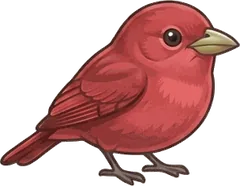 Summer Tanager
Piranga rubra
Summer Tanager
Piranga rubra
Rare 30 cards
- #003
 ?Catch it to reveal
 - #004
 ?Catch it to find out
 - #005
 ?Catch it to find out
 - #006
 ?Catch it to find out
 - #010?Catch it to reveal
- #011?Catch it to reveal
- #016
 ?Catch it to find out
 - #018
 ?Catch it to find out
 - #020
 ?Catch it to find out
 - #023
 ?Catch it to find out
 - #026
 ?Catch it to find out
 - #028
 ?Catch it to find out
 - #033?Catch it to reveal
- #039?Catch it to reveal
- #047
 ?Catch it to find out
 - #055?Catch it to reveal
- #056
 ?Catch it to find out
 - #058?Catch it to reveal
- #065?Catch it to reveal
- #075?Catch it to reveal
- #077?Catch it to reveal
- #079
 ?Catch it to find out
 - #081
 ?Catch it to find out
 - #082?Catch it to reveal
- #083
 ?Catch it to find out
 - #086?Catch it to reveal
- #090?Catch it to reveal
- #091?Catch it to reveal
- #098
 ?Catch it to find out
 - #100
 ?Catch it to find out
Legendary 10 cards
- #001
 ?Catch it to find out
 - #008
 ?Catch it to find out
 - #009
 ?Catch it to find out
 - #031?Catch it to reveal
- #041
 ?Catch it to find out
 - #054?Catch it to reveal
- #060?Catch it to reveal
- #061?Catch it to reveal
- #085
 ?Catch it to find out
 - #095
 ?Catch it to find out
 54 of the 100 cards are shown here. The other 46, including all 30 rare and 10 legendary birds, are yours to discover. Get Warble and start with the common ones.
Backyard birds you will hear first
The Northern Cardinal is the first singer of the year, whistling cheer, cheer and birdy, birdy, birdy from the tallest shrub by February. The Carolina Wren is louder than anything its size should be, teakettle, teakettle from the woodpile in every month, and the Carolina Chickadee and Tufted Titmouse travel together, the chickadee with its quick four-note whistle, the titmouse with a ringing peter, peter, peter.
The Blue Jay screams and whistles, and the American Crow caws from the pecan trees. The Northern Mockingbird does everyone: it runs through borrowed phrases from the highest point around, each one repeated a few times before the next, and in April an unpaired male keeps going long after dark.
From the oaks, the Red-bellied Woodpecker gives a rolling kwirr and the Downy a soft whinny, and in winter White-throated Sparrows whistle Old Sam Peabody from the brush.
The regions, by ear
The Ozarks
Oak-hickory forest on ridges and bluffs, with clear rivers cut into the limestone. About 200 species use the Buffalo National River through the year, nearly half of them year-round, and around 100 arrive to nest in the forest in summer, when the Wood Thrush sings at dusk, the Ovenbird shouts from the leaf litter and the Eastern Whip-poor-will starts at dark. On the river itself, Great Blue Herons, Belted Kingfishers and Wood Ducks stay all year, and Bald Eagles sit in the ridge-top trees in winter.
The Ouachitas
Pine ridges west of Little Rock. Pine Warblers trill in the canopy, Brown-headed Nuthatches squeak in the crowns, the Pileated Woodpecker laughs across the hollows.
The Delta
Bottomland hardwood, cypress sloughs and rice. Cache River National Wildlife Refuge protects the largest remaining stretch of this forest anywhere, and it is the single most important wintering ground for Mallards in North America. In spring the swamps ring with Prothonotary Warblers, Barred Owls ask who cooks for you in daylight, and Red-headed Woodpeckers rattle from the dead snags.
The Gulf Coastal Plain
Pine flats and slow rivers in the south. The Chuck-will's-widow repeats its name from the forest edge on spring nights, and the swamps of Felsenthal, along the Ouachita and Saline rivers, hold herons, ducks and wood-warblers.
Best months to listen
April and May are the peak: residents singing on territory, thrushes and warblers arriving in the Ozarks, and migrants moving up the Mississippi. Summer mornings are busy until the heat. Fall migration, from late August into October, is more chip notes than songs.
Winter is the Delta's season. Mallards in the largest numbers anywhere in the flyway, pintails by the hundred thousand and Snow Geese settle into the flooded fields and timber, and Bald Eagles follow them. Back in the yard, the cardinal and the Carolina Wren never really stop.
Places worth the drive
- Buffalo National River, in the Ozarks: forest birds by ear in May and June, eagles in winter.
- Cache River National Wildlife Refuge, east of Little Rock: 70 miles of bottomland forest and sloughs, nearly 240 species, and the ducks of the Mississippi Flyway.
- Dale Bumpers White River National Wildlife Refuge, in the southeast: the biggest concentration of wintering Mallards in the flyway.
- Bald Knob National Wildlife Refuge, in White County: winter pintails in enormous numbers and Bald Eagles on the levees.
- Holla Bend National Wildlife Refuge, on the Arkansas River below Dardanelle: eagles in winter, nesting songbirds in spring.
None of it is required. A yard with oaks and a feeder fills a quarter of the album by May.
Listen before you go
Three of the common Arkansas birds, so the first songs you hear outside already ring a bell.
Recording by Chase Harris, CC0, via iNaturalist.
Recording by Fionn Ó Marcaigh, CC BY 4.0, via iNaturalist.
Recording by Chase Harris, CC0, via iNaturalist.
Questions people ask
What is the state bird of Arkansas?
The Northern Mockingbird, adopted in 1929. It shares the honor with Florida, Mississippi, Tennessee and Texas, and it is the bird singing car-alarm imitations on an Arkansas street at midnight in April.
How many bird species are there in Arkansas?
The official state list kept by the Arkansas Audubon Society stood at 424 species in January 2022. The Warble album covers the 100 reported most often.
Where do all the ducks in Arkansas come from?
The Delta sits under the Mississippi Flyway, and its flooded bottomland forest and rice fields are the most important wintering ground for Mallards on the continent. The Cache River and White River refuges hold the largest concentrations through fall and winter.
Nearby albums
Sources
- Wikipedia: List of Arkansas state symbols. en.wikipedia.org/wiki/List_of_Arkansas_state_symbols
- Wikipedia: List of birds of Arkansas. en.wikipedia.org/wiki/List_of_birds_of_Arkansas
- National Park Service: Birds of Buffalo National River. www.nps.gov/buff/learn/nature/birds.htm
- Wikipedia: Cache River National Wildlife Refuge. en.wikipedia.org/wiki/Cache_River_National_Wildlife_Refuge