 Warble
The state bird: Ring-necked Pheasant
Adopted in 1943. A native of Asia, brought to North America for hunting, and one of only two state birds that is not a native species. You hear it before you see it: a harsh two-note crow from the corn stubble, or the whirring explosion and kok kok kok when one flushes from under your feet.
Recording by dugald, CC0, via iNaturalist.
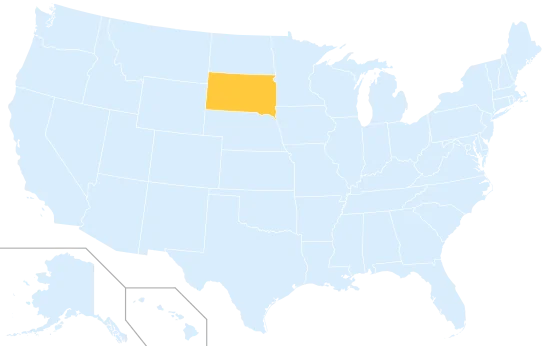
The South Dakota Ornithologists' Union had 440 species on the state list as of October 2021, 67 of them accidental and 21 casual. The Missouri River splits the state into East River, where the glaciated prairie is dotted with thousands of pothole wetlands and the towns are, and West River, drier and rougher, with the Badlands and the Black Hills at the far end.
Most of the album is East River: robins and grackles in the shelterbelts, Red-winged Blackbirds in every slough, Mallards and Canada Geese on every pothole, a meadowlark on every third fence post. The Black Hills add a whole second cast, western birds like the Western Tanager and the Mountain Bluebird that never come down to the plains.
The South Dakota album
These are the 100 birds people report most often in South Dakota, ranked by how frequently they turn up. The common and uncommon ones are shown; the rare and legendary cards stay face down until you catch them in the game.
Common 25 cards
- #002
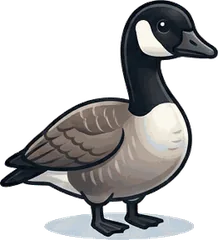 Canada Goose
Branta canadensis
Canada Goose
Branta canadensis - #008
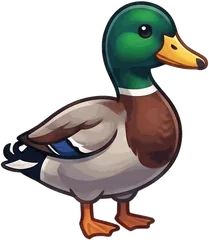 Mallard
Anas platyrhynchos
Mallard
Anas platyrhynchos - #020
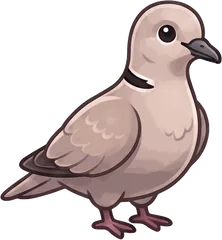 Eurasian Collared-Dove
Streptopelia decaocto
Eurasian Collared-Dove
Streptopelia decaocto - #021
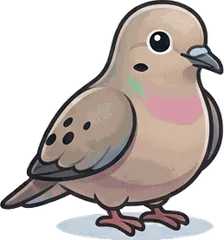 Mourning Dove
Zenaida macroura
Mourning Dove
Zenaida macroura - #024
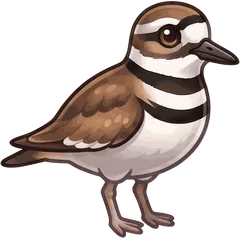 Killdeer
Charadrius vociferus
Killdeer
Charadrius vociferus - #034
 ?Catch it to find out
 - #037
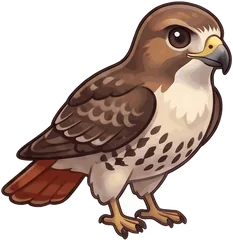 Red-tailed Hawk
Buteo jamaicensis
Red-tailed Hawk
Buteo jamaicensis - #042
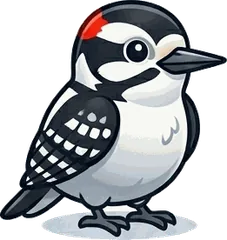 Downy Woodpecker
Dryobates pubescens
Downy Woodpecker
Dryobates pubescens - #043
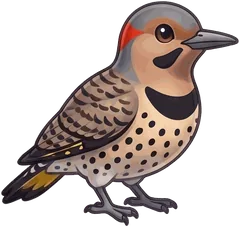 Northern Flicker
Colaptes auratus
Northern Flicker
Colaptes auratus - #051
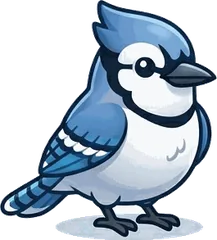 Blue Jay
Cyanocitta cristata
Blue Jay
Cyanocitta cristata - #053
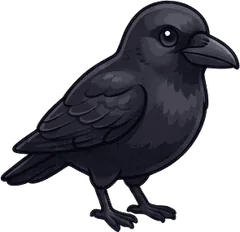 American Crow
Corvus brachyrhynchos
American Crow
Corvus brachyrhynchos - #054
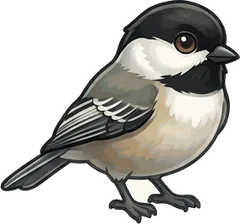 Black-capped Chickadee
Poecile atricapillus
Black-capped Chickadee
Poecile atricapillus - #058
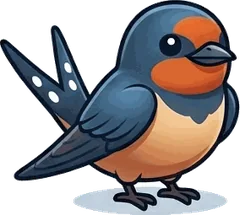 Barn Swallow
Hirundo rustica
Barn Swallow
Hirundo rustica - #063
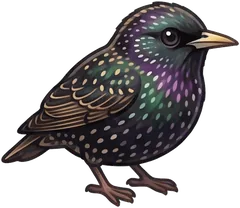 European Starling
Sturnus vulgaris
European Starling
Sturnus vulgaris - #068
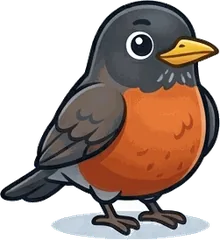 American Robin
Turdus migratorius
American Robin
Turdus migratorius - #070
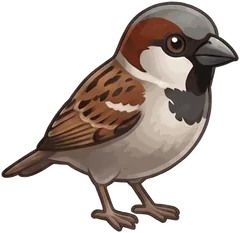 House Sparrow
Passer domesticus
House Sparrow
Passer domesticus - #071
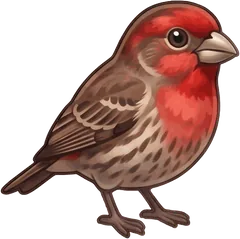 House Finch
Haemorhous mexicanus
House Finch
Haemorhous mexicanus - #074
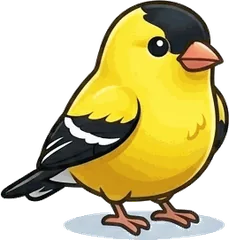 American Goldfinch
Spinus tristis
American Goldfinch
Spinus tristis - #076
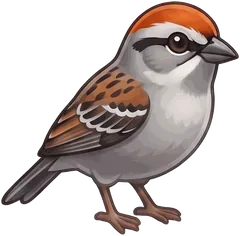 Chipping Sparrow
Spizella passerina
Chipping Sparrow
Spizella passerina - #081
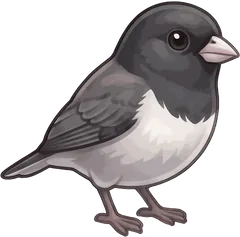 Dark-eyed Junco
Junco hyemalis
Dark-eyed Junco
Junco hyemalis - #084
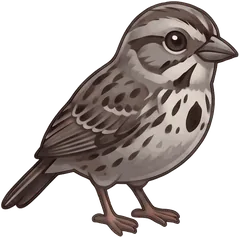 Song Sparrow
Melospiza melodia
Song Sparrow
Melospiza melodia - #088
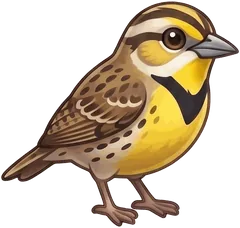 Western Meadowlark
Sturnella neglecta
Western Meadowlark
Sturnella neglecta - #091
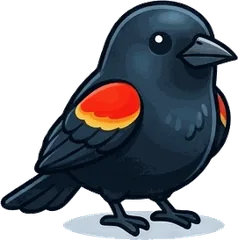 Red-winged Blackbird
Agelaius phoeniceus
Red-winged Blackbird
Agelaius phoeniceus - #092
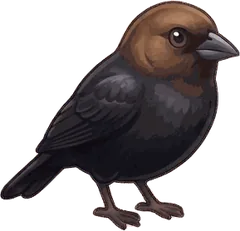 Brown-headed Cowbird
Molothrus ater
Brown-headed Cowbird
Molothrus ater - #093
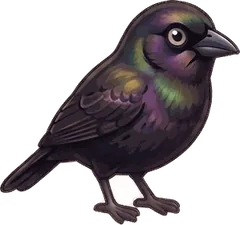 Common Grackle
Quiscalus quiscula
Common Grackle
Quiscalus quiscula
Uncommon 35 cards
- #003
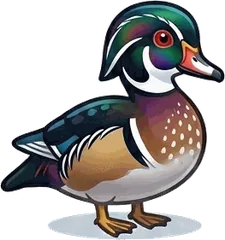 Wood Duck
Aix sponsa
Wood Duck
Aix sponsa - #004
 ?Catch it to find out
 - #005
 ?Catch it to find out
 - #006
 ?Catch it to find out
 - #009
 ?Catch it to find out
 - #017
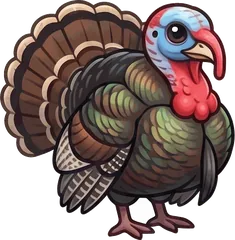 Wild Turkey
Meleagris gallopavo
Wild Turkey
Meleagris gallopavo - #018
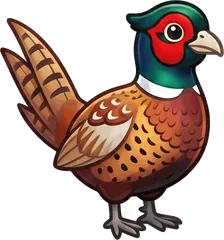 Ring-necked Pheasant
Phasianus colchicus
Ring-necked Pheasant
Phasianus colchicus - #019
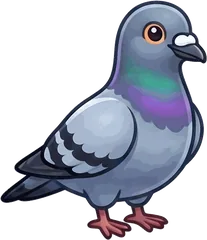 Rock Pigeon
Columba livia
Rock Pigeon
Columba livia - #023
 ?Catch it to find out
 - #030
 ?Catch it to find out
 - #032
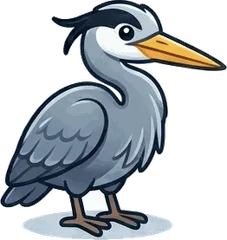 Great Blue Heron
Ardea herodias
Great Blue Heron
Ardea herodias - #033
 ?Catch it to find out
 - #036
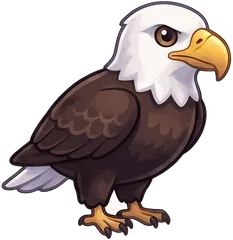 Bald Eagle
Haliaeetus leucocephalus
Bald Eagle
Haliaeetus leucocephalus - #040
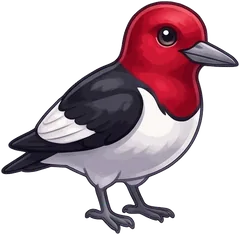 Red-headed Woodpecker
Melanerpes erythrocephalus
Red-headed Woodpecker
Melanerpes erythrocephalus - #041
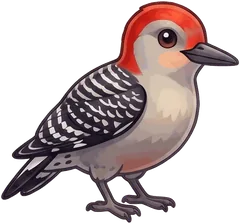 Red-bellied Woodpecker
Melanerpes carolinus
Red-bellied Woodpecker
Melanerpes carolinus - #044
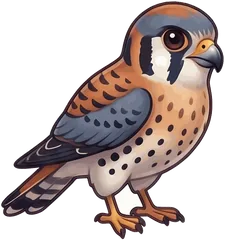 American Kestrel
Falco sparverius
American Kestrel
Falco sparverius - #047
 ?Catch it to find out
 - #048
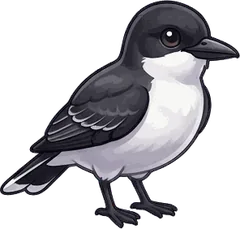 Eastern Kingbird
Tyrannus tyrannus
Eastern Kingbird
Tyrannus tyrannus - #055
 ?Catch it to find out
 - #056
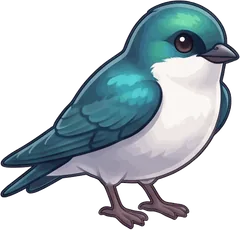 Tree Swallow
Tachycineta bicolor
Tree Swallow
Tachycineta bicolor - #059
 ?Catch it to find out
 - #060
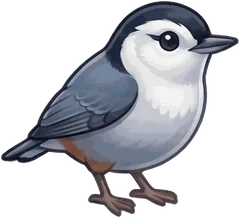 White-breasted Nuthatch
Sitta carolinensis
White-breasted Nuthatch
Sitta carolinensis - #061
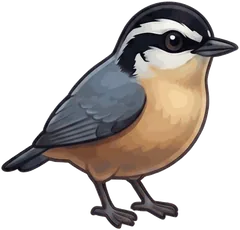 Red-breasted Nuthatch
Sitta canadensis
Red-breasted Nuthatch
Sitta canadensis - #062
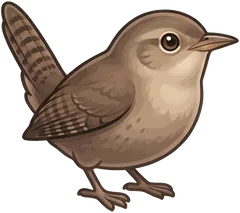 House Wren
Troglodytes aedon
House Wren
Troglodytes aedon - #064
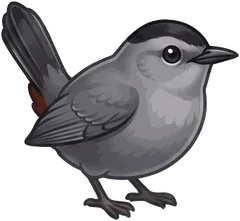 Gray Catbird
Dumetella carolinensis
Gray Catbird
Dumetella carolinensis - #065
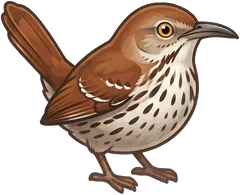 Brown Thrasher
Toxostoma rufum
Brown Thrasher
Toxostoma rufum - #069
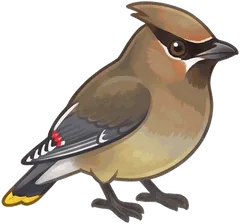 Cedar Waxwing
Bombycilla cedrorum
Cedar Waxwing
Bombycilla cedrorum - #073
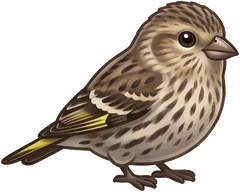 Pine Siskin
Spinus pinus
Pine Siskin
Spinus pinus - #085
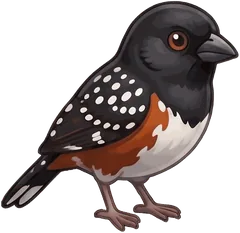 Spotted Towhee
Pipilo maculatus
Spotted Towhee
Pipilo maculatus - #086
 ?Catch it to find out
 - #090
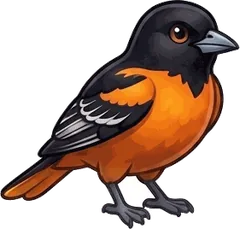 Baltimore Oriole
Icterus galbula
Baltimore Oriole
Icterus galbula - #094
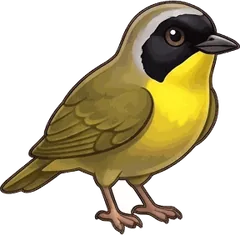 Common Yellowthroat
Geothlypis trichas
Common Yellowthroat
Geothlypis trichas - #096
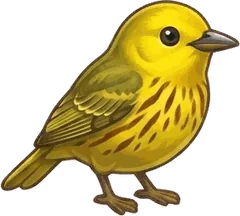 Yellow Warbler
Setophaga petechia
Yellow Warbler
Setophaga petechia - #097
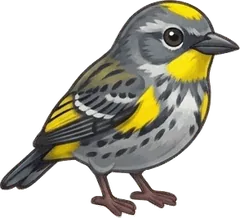 Yellow-rumped Warbler
Setophaga coronata
Yellow-rumped Warbler
Setophaga coronata - #098
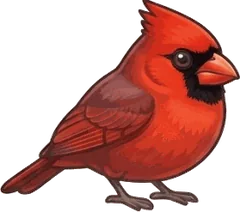 Northern Cardinal
Cardinalis cardinalis
Northern Cardinal
Cardinalis cardinalis
Rare 30 cards
- #007
 ?Catch it to find out
 - #010
 ?Catch it to find out
 - #011
 ?Catch it to find out
 - #012
 ?Catch it to find out
 - #013
 ?Catch it to find out
 - #014
 ?Catch it to find out
 - #015
 ?Catch it to find out
 - #016
 ?Catch it to find out
 - #022
 ?Catch it to reveal
 - #025
 ?Catch it to find out
 - #027
 ?Catch it to find out
 - #028
 ?Catch it to find out
 - #029
 ?Catch it to find out
 - #031
 ?Catch it to find out
 - #035
 ?Catch it to find out
 - #039?Catch it to reveal
- #045
 ?Catch it to find out
 - #049?Catch it to reveal
- #050?Catch it to reveal
- #052?Catch it to reveal
- #057
 ?Catch it to find out
 - #066?Catch it to reveal
- #067?Catch it to reveal
- #072
 ?Catch it to find out
 - #077
 ?Catch it to find out
 - #079
 ?Catch it to find out
 - #080
 ?Catch it to find out
 - #089
 ?Catch it to find out
 - #095?Catch it to reveal
- #100
 ?Catch it to find out
Legendary 10 cards
- #001
 ?Catch it to find out
 - #026
 ?Catch it to find out
 - #038
 ?Catch it to find out
 - #046
 ?Catch it to find out
 - #075
 ?Catch it to find out
 - #078?Catch it to reveal
- #082
 ?Catch it to find out
 - #083
 ?Catch it to find out
 - #087?Catch it to reveal
- #099?Catch it to reveal
 48 of the 100 cards are shown here. The other 52, including all 30 rare and 10 legendary birds, are yours to discover. Get Warble and start with the common ones.
Backyard birds you will hear first
The American Robin leads the album, singing from the cottonwoods before dawn from April to July. The Red-winged Blackbird is second, a rasping conk-la-ree from cattails, ditches and any wet spot with a stalk to hold onto, from the day the ice goes out. The Mourning Dove coos from the grain bins, the Canada Goose and the Mallard talk from every pond, and the Common Grackle creaks like a rusty gate from the spruce in the yard.
The Western Meadowlark is the sound of the state, a rich, bubbling, flute-like whistle from a fence post over open grass, starting in March while there is still snow in the ditches. The Black-capped Chickadee whistles fee-bee from the shelterbelt, the American Goldfinch bounces over calling po-ta-to-chip, and the Killdeer shouts its own name over gravel roads and parking lots. The House Sparrow and the starling round out the dozen, chattering from the farm buildings.
The regions, by ear
East River and the prairie potholes
Sand Lake National Wildlife Refuge, 21,498 acres of marsh, open water, grassland, cropland and river woods along the James River in north-central South Dakota, is the loudest place in the state twice a year. More than 266 bird species have been recorded there and more than 123 nest on the refuge. In fall the Snow Goose migration peaks at around 500,000 birds, and spring flights have reached more than 1.2 million.
The Missouri River
The big reservoirs and the cottonwood bottoms below the dams: Bald Eagles in winter below Oahe and Fort Randall, Least Terns and Piping Plovers on the sandbars in summer, and Sandhill Cranes bugling overhead in spring and fall.
The Badlands and West River
Badlands National Park sits where eastern and western birds meet, and 206 species have been identified there, 67 of them nesting. Golden Eagles, Northern Harriers and Short-eared Owls hunt the mixed-grass prairie, meadowlarks sing from the buttes, and Rock Wrens trill from the eroded walls. Farther out, Lacreek National Wildlife Refuge near Martin holds sandhills, marsh and prairie and winters the High Plains population of Trumpeter Swans.
The Black Hills
Ponderosa pine and granite. Western Tanagers, Mountain Bluebirds, Red-breasted Nuthatches. Custer State Park covers more than 71,000 acres of prairie and mountains and runs a bison herd of about 1,400, and along the Wildlife Loop Road the meadowlarks sing over the herd.
Best months to listen
March and April are the geese and the first meadowlarks. May is the peak everywhere: prairie birds on territory, warblers in the shelterbelts and river woods, and the Black Hills coming alive a little later. June mornings are long and loud until the heat, so start at first light. October is the second goose season and the pheasant roosters crowing in the stubble. Winter is chickadees and juncos at the feeder, and eagles on the open water below the dams.
Places worth the drive
- Sand Lake National Wildlife Refuge, near Aberdeen: hundreds of thousands of Snow Geese in spring and fall, marsh birds in summer.
- Badlands National Park, west of Kadoka: 206 species, Golden Eagles and prairie songbirds among the buttes.
- Custer State Park, in the Black Hills: mountain birds, bison and the Wildlife Loop Road.
None of it is required. A farmyard with a shelterbelt and a slough, or a Sioux Falls park along the river, gives you the first 20 cards in Warble by May.
Listen before you go
Three of the common South Dakota birds, so the first songs you hear outside already ring a bell.
Recording by Chase Harris, CC0, via iNaturalist.
Recording by Chase Harris, CC0, via iNaturalist.
Recording by Fionn Ó Marcaigh, CC BY 4.0, via iNaturalist.
Questions people ask
What is the most common bird in South Dakota?
By the reports behind the album, the American Robin, then the Red-winged Blackbird, the Mourning Dove, the Canada Goose, the Common Grackle and the Mallard. The Western Meadowlark is seventh.
What is the state bird of South Dakota?
The Ring-necked Pheasant, adopted in 1943. It is native to Asia and was introduced to North America for hunting, which makes it one of only two state birds that are not native species.
How many bird species are there in South Dakota?
440 species as of October 2021, according to the South Dakota Ornithologists' Union. The Warble album covers the 100 reported most often.
Nearby albums
Sources
- Wikipedia: List of birds of South Dakota. en.wikipedia.org/wiki/List_of_birds_of_South_Dakota
- Wikipedia: List of U.S. state birds. en.wikipedia.org/wiki/List_of_U.S._state_birds
- U.S. Fish and Wildlife Service: Sand Lake National Wildlife Refuge. www.fws.gov/refuge/sand-lake
- National Park Service: Badlands National Park, Birds. www.nps.gov/badl/learn/nature/birds.htm