 Warble
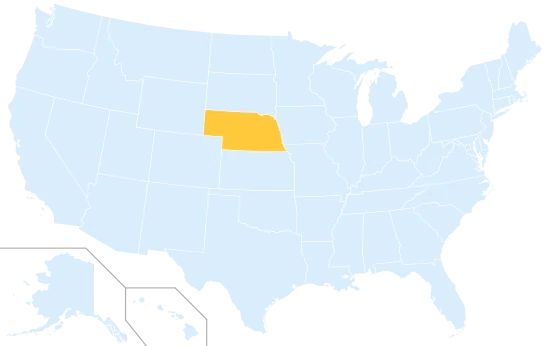
The state bird: Western Meadowlark
Adopted in 1929, and shared with five other plains and western states. A flute-like, watery warble from a fence post in open grass, which is most of Nebraska, and easy to tell from the plain whistle of the Eastern Meadowlark along the state's eastern edge.
Recording by Anne Parsons, CC0, via iNaturalist.
The Nebraska Ornithologists' Union had 467 species on the state list as of August 2021. The east is Missouri River bottomland and hardwood forest. The middle is the Platte valley and corn. The north-central quarter of the state is the Sandhills, roughly 20,000 square miles of mixed-grass prairie on grass-covered dunes, as much as 85 percent of it still intact because most of it was never plowed, dotted with lakes fed by the Ogallala Aquifer. The Panhandle in the west is short grass, pine ridge and the edge of the Rockies.
In a yard in Omaha, Lincoln or Kearney, though, the state is robin, dove, Red-winged Blackbird, jay, cardinal and starling. Those six lead the album.
The Nebraska album
These are the 100 birds people report most often in Nebraska, ranked by how frequently they turn up. The common and uncommon ones are shown; the rare and legendary cards stay face down until you catch them in the game.
Common 25 cards
- #003
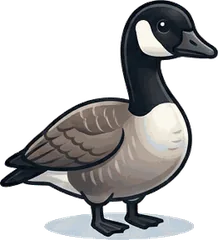 Canada Goose
Branta canadensis
Canada Goose
Branta canadensis - #009
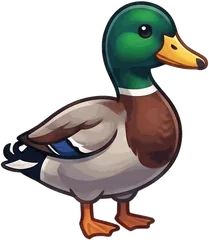 Mallard
Anas platyrhynchos
Mallard
Anas platyrhynchos - #022
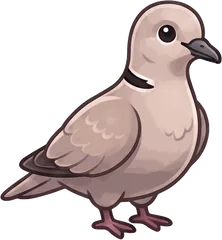 Eurasian Collared-Dove
Streptopelia decaocto
Eurasian Collared-Dove
Streptopelia decaocto - #023
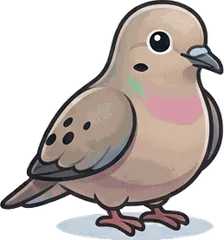 Mourning Dove
Zenaida macroura
Mourning Dove
Zenaida macroura - #027
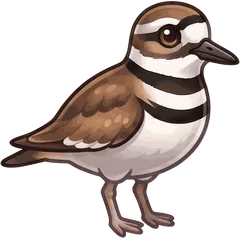 Killdeer
Charadrius vociferus
Killdeer
Charadrius vociferus - #038
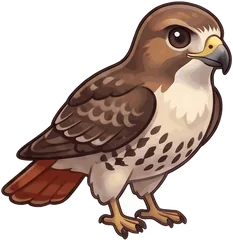 Red-tailed Hawk
Buteo jamaicensis
Red-tailed Hawk
Buteo jamaicensis - #041
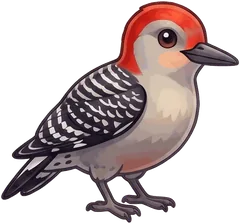 Red-bellied Woodpecker
Melanerpes carolinus
Red-bellied Woodpecker
Melanerpes carolinus - #042
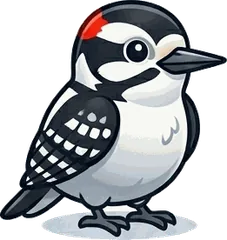 Downy Woodpecker
Dryobates pubescens
Downy Woodpecker
Dryobates pubescens - #043
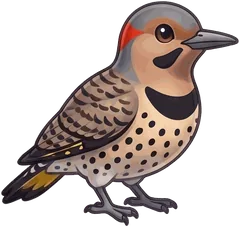 Northern Flicker
Colaptes auratus
Northern Flicker
Colaptes auratus - #052
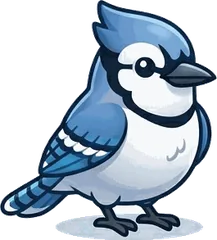 Blue Jay
Cyanocitta cristata
Blue Jay
Cyanocitta cristata - #053
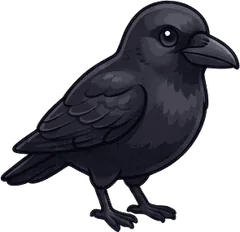 American Crow
Corvus brachyrhynchos
American Crow
Corvus brachyrhynchos - #054
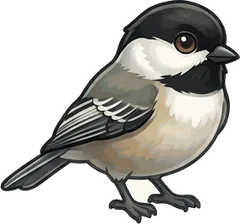 Black-capped Chickadee
Poecile atricapillus
Black-capped Chickadee
Poecile atricapillus - #058
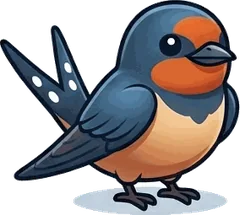 Barn Swallow
Hirundo rustica
Barn Swallow
Hirundo rustica - #060
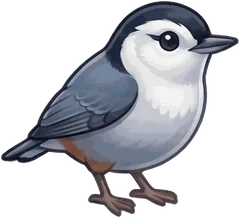 White-breasted Nuthatch
Sitta carolinensis
White-breasted Nuthatch
Sitta carolinensis - #063
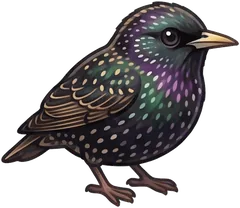 European Starling
Sturnus vulgaris
European Starling
Sturnus vulgaris - #067
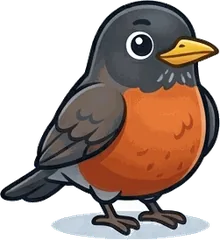 American Robin
Turdus migratorius
American Robin
Turdus migratorius - #069
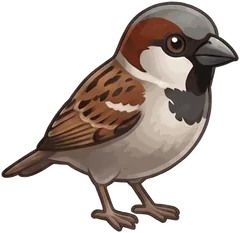 House Sparrow
Passer domesticus
House Sparrow
Passer domesticus - #070
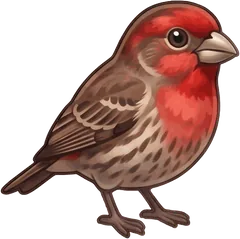 House Finch
Haemorhous mexicanus
House Finch
Haemorhous mexicanus - #072
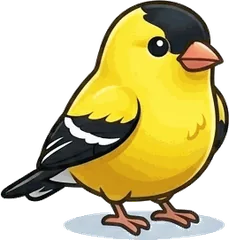 American Goldfinch
Spinus tristis
American Goldfinch
Spinus tristis - #078
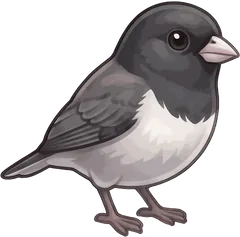 Dark-eyed Junco
Junco hyemalis
Dark-eyed Junco
Junco hyemalis - #086
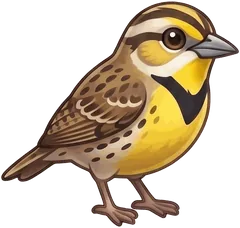 Western Meadowlark
Sturnella neglecta
Western Meadowlark
Sturnella neglecta - #090
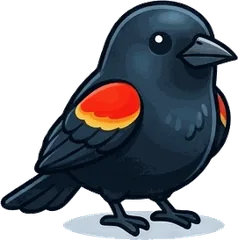 Red-winged Blackbird
Agelaius phoeniceus
Red-winged Blackbird
Agelaius phoeniceus - #091
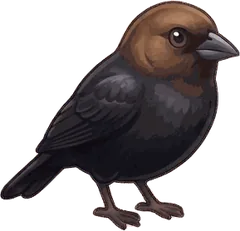 Brown-headed Cowbird
Molothrus ater
Brown-headed Cowbird
Molothrus ater - #092
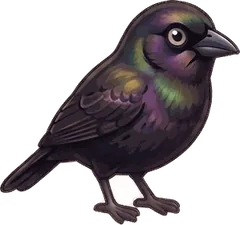 Common Grackle
Quiscalus quiscula
Common Grackle
Quiscalus quiscula - #097
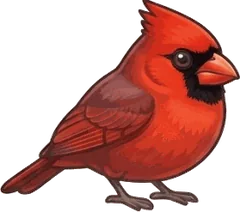 Northern Cardinal
Cardinalis cardinalis
Northern Cardinal
Cardinalis cardinalis
Uncommon 35 cards
- #004
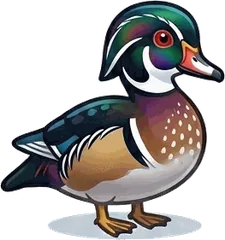 Wood Duck
Aix sponsa
Wood Duck
Aix sponsa - #005
 ?Catch it to find out
 - #006
 ?Catch it to find out
 - #007
 ?Catch it to find out
 - #011
 ?Catch it to find out
 - #019
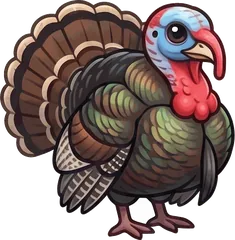 Wild Turkey
Meleagris gallopavo
Wild Turkey
Meleagris gallopavo - #020
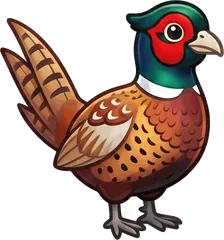 Ring-necked Pheasant
Phasianus colchicus
Ring-necked Pheasant
Phasianus colchicus - #021
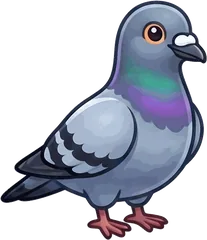 Rock Pigeon
Columba livia
Rock Pigeon
Columba livia - #026
 ?Catch it to find out
 - #031
 ?Catch it to find out
 - #033
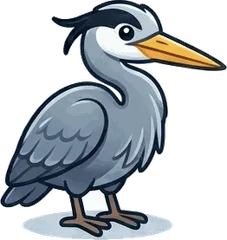 Great Blue Heron
Ardea herodias
Great Blue Heron
Ardea herodias - #035
 ?Catch it to find out
 - #037
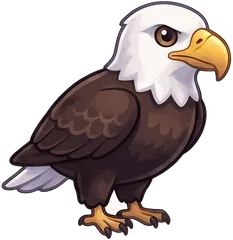 Bald Eagle
Haliaeetus leucocephalus
Bald Eagle
Haliaeetus leucocephalus - #039
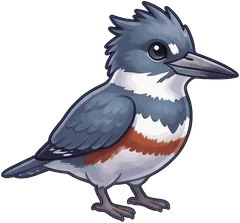 Belted Kingfisher
Megaceryle alcyon
Belted Kingfisher
Megaceryle alcyon - #040
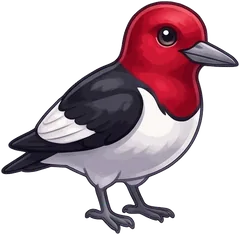 Red-headed Woodpecker
Melanerpes erythrocephalus
Red-headed Woodpecker
Melanerpes erythrocephalus - #044
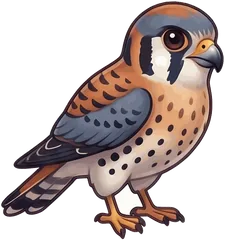 American Kestrel
Falco sparverius
American Kestrel
Falco sparverius - #048
 ?Catch it to find out
 - #049
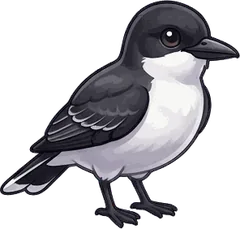 Eastern Kingbird
Tyrannus tyrannus
Eastern Kingbird
Tyrannus tyrannus - #050
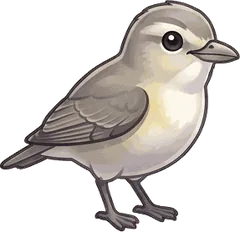 Warbling Vireo
Vireo gilvus
Warbling Vireo
Vireo gilvus - #055
 ?Catch it to find out
 - #056
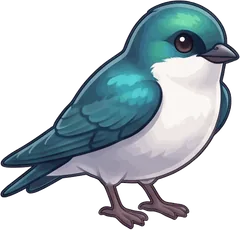 Tree Swallow
Tachycineta bicolor
Tree Swallow
Tachycineta bicolor - #059
 ?Catch it to find out
 - #062
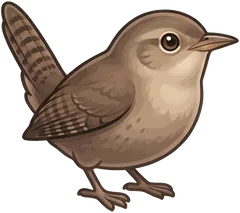 House Wren
Troglodytes aedon
House Wren
Troglodytes aedon - #064
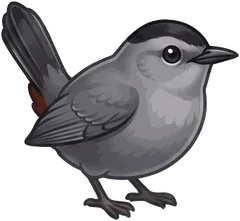 Gray Catbird
Dumetella carolinensis
Gray Catbird
Dumetella carolinensis - #065
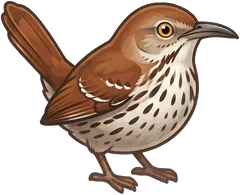 Brown Thrasher
Toxostoma rufum
Brown Thrasher
Toxostoma rufum - #066
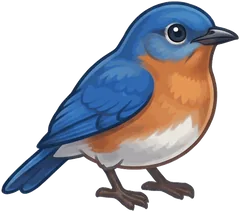 Eastern Bluebird
Sialia sialis
Eastern Bluebird
Sialia sialis - #068
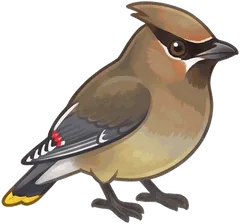 Cedar Waxwing
Bombycilla cedrorum
Cedar Waxwing
Bombycilla cedrorum - #074
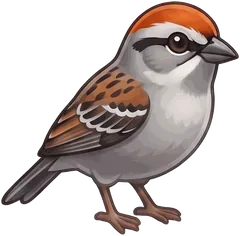 Chipping Sparrow
Spizella passerina
Chipping Sparrow
Spizella passerina - #077
 ?Catch it to find out
 - #082
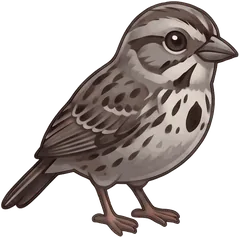 Song Sparrow
Melospiza melodia
Song Sparrow
Melospiza melodia - #088
 ?Catch it to find out
 - #089
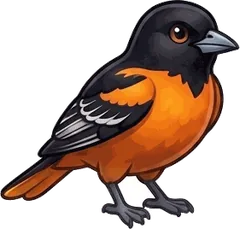 Baltimore Oriole
Icterus galbula
Baltimore Oriole
Icterus galbula - #094
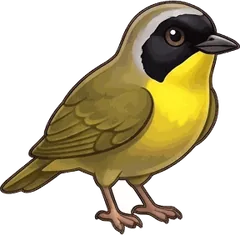 Common Yellowthroat
Geothlypis trichas
Common Yellowthroat
Geothlypis trichas - #095
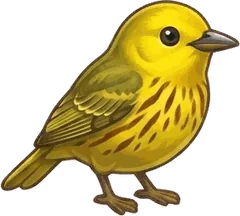 Yellow Warbler
Setophaga petechia
Yellow Warbler
Setophaga petechia - #100
 ?Catch it to find out
Rare 30 cards
- #001
 ?Catch it to find out
 - #008
 ?Catch it to find out
 - #010
 ?Catch it to find out
 - #012
 ?Catch it to find out
 - #013
 ?Catch it to find out
 - #014
 ?Catch it to find out
 - #015
 ?Catch it to find out
 - #017
 ?Catch it to find out
 - #018
 ?Catch it to reveal
 - #025?Catch it to reveal
- #030
 ?Catch it to find out
 - #032
 ?Catch it to find out
 - #034
 ?Catch it to find out
 - #036
 ?Catch it to find out
 - #045?Catch it to reveal
- #046?Catch it to reveal
- #047?Catch it to reveal
- #051?Catch it to reveal
- #057
 ?Catch it to find out
 - #061?Catch it to reveal
- #075?Catch it to reveal
- #076
 ?Catch it to find out
 - #079?Catch it to reveal
- #080
 ?Catch it to find out
 - #081?Catch it to reveal
- #084?Catch it to reveal
- #087?Catch it to reveal
- #096?Catch it to reveal
- #098?Catch it to reveal
- #099?Catch it to reveal
Legendary 10 cards
- #002
 ?Catch it to find out
 - #016
 ?Catch it to find out
 - #024?Catch it to reveal
- #028
 ?Catch it to find out
 - #029
 ?Catch it to find out
 - #071?Catch it to reveal
- #073
 ?Catch it to find out
 - #083
 ?Catch it to find out
 - #085
 ?Catch it to find out
 - #093
 ?Catch it to find out
 47 of the 100 cards are shown here. The other 53, including all 30 rare and 10 legendary birds, are yours to discover. Get Warble and start with the common ones.
Backyard birds you will hear first
The American Robin leads the album, singing from the maple before dawn from March to August. The Mourning Dove is second, cooing from the wire. The Red-winged Blackbird is third, singing conk-la-ree from every roadside slough. The Blue Jay yells from the oaks and the Northern Cardinal whistles from the hedge from February on.
The American Goldfinch bounces overhead calling, Canada Geese hold every park pond, and the Northern Flicker calls a long wick-wick-wick from the cottonwoods and drums on the gutters in April. Common Grackles squeak from the parking lots and Downy Woodpeckers whinny at the feeder.
The regions, by ear
The Missouri River and the eastern woods
Hardwood forest, loess bluffs and floodplain. Fontenelle Forest, 1,500 acres in Bellevue just south of Omaha, has recorded 246 species including 35 warblers, and it is the only place in the state where Red-shouldered Hawks have nested and one of the few with Pileated Woodpeckers. Wood Thrushes and Prothonotary Warblers sing in the bottoms in June,.
The Platte valley
Braided river, sandbars and cornfields between Grand Island and Kearney. Every spring, from early March into early or mid April, hundreds of thousands of Sandhill Cranes stage along the river, part of a flight of up to 450,000 through the central Platte each year, and the sound at dawn is a rolling, trumpeting chorus that carries a long way across the fields. Rowe Sanctuary, 3,000 acres near Gibbon, runs riverside blinds so people can watch the birds leave the roost at first light.
The Sandhills
Grass to the horizon on old dunes, with thousands of ponds and lakes that serve as layover points for cranes, geese and ducks. Western Meadowlarks sing from every post, Sharp-tailed Grouse and pheasants live in the grass, and Crescent Lake refuge, 46,000 acres near Ellsworth set aside in 1931 in the largest continuous dune field in the country, has Burrowing Owls on the uplands and waterfowl on the wet meadows.
The Panhandle
Short grass, buttes and ponderosa pine on the Pine Ridge. Western birds start here: magpies, Lark Buntings flashing black and white over the grass in June, and Golden Eagles along the escarpments.
Best months to listen
March is the month: cranes on the Platte from early March to mid April, and snow geese and ducks moving north at the same time. May is the songbird peak in the eastern woods and along the river. June is meadowlark, grouse and bunting season on the prairie, best at dawn before the wind. Fall is ducks and geese down the Missouri. Winter brings eagles to the open water below the dams, and juncos and woodpeckers to the feeder.
Places worth the drive
- Rowe Sanctuary, Gibbon: crane blinds on the Platte, early March to mid April.
- Fontenelle Forest, Bellevue: 246 species and 35 warblers on 1,500 acres of Missouri River forest.
- Crescent Lake National Wildlife Refuge, near Ellsworth: 46,000 acres of Sandhills prairie and marsh, Burrowing Owls.
- DeSoto National Wildlife Refuge, on the Missouri River north of Omaha: 8,365 acres around an oxbow lake, migrating waterfowl in spring and fall, eagles gathering in winter.
None of it is required for the album. A yard with a cottonwood and a feeder hands you the first 20 cards in Warble by April.
Listen before you go
Three of the common Nebraska birds, so the first songs you hear outside already ring a bell.
Recording by Chase Harris, CC0, via iNaturalist.
Recording by Chase Harris, CC0, via iNaturalist.
Recording by Fionn Ó Marcaigh, CC BY 4.0, via iNaturalist.
Questions people ask
What is the most common bird in Nebraska?
By the reports behind the album, the American Robin, then the Mourning Dove, the Red-winged Blackbird, the Blue Jay, the Northern Cardinal and the European Starling.
What is the state bird of Nebraska?
The Western Meadowlark, adopted in 1929. Kansas, Montana, North Dakota, Oregon and Wyoming have the same bird.
When do the cranes come to Nebraska?
Sandhill Cranes stage on the central Platte River between Grand Island and Kearney from early March into early or mid April, a window of four to six weeks, with hundreds of thousands of birds on the river at once.
How many bird species are there in Nebraska?
467 species as of August 2021, according to the Nebraska Ornithologists' Union, of which 95 are accidental and 19 casual. The Warble album covers the 100 reported most often.
Nearby albums
Sources
- Wikipedia: List of birds of Nebraska. en.wikipedia.org/wiki/List_of_birds_of_Nebraska
- National Audubon Society: Iain Nicolson Audubon Center at Rowe Sanctuary. www.audubon.org/rowe
- Wikipedia: Sandhills (Nebraska). en.wikipedia.org/wiki/Sandhills_(Nebraska)
- U.S. Fish and Wildlife Service: Crescent Lake National Wildlife Refuge. www.fws.gov/refuge/crescent-lake