 Warble
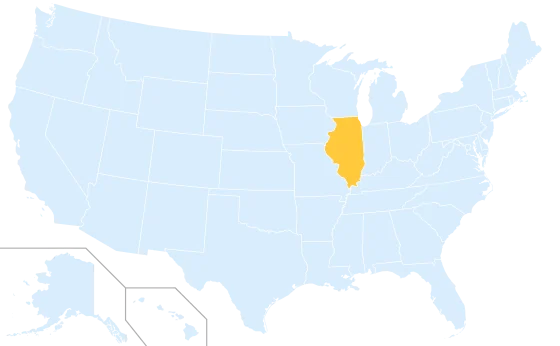
The state bird: Northern Cardinal
Adopted in 1929, and shared with six other states, more than any other bird. A clear whistled cheer, cheer, cheer and purdy, purdy, purdy from the top of a bare tree in February, from both the male and the female.
Recording by Chase Harris, CC0, via iNaturalist.
Illinois is 400 miles long, and the ends do not sound alike. The north is Chicago and its suburbs on Lake Michigan, with a lakefront that pulls migrants out of the sky twice a year. The middle is corn and soybeans to the horizon, broken by river valleys, where the Illinois River runs through a chain of backwater lakes and refuges. The south, below Carbondale, is oak-hickory hills and cypress bottoms that sound like Kentucky, with Summer Tanagers, White-eyed Vireos and Indigo Buntings. The Illinois Ornithological Records Committee counted 455 species on the state list as of March 2024.
For most people, though, the state is a yard, a park and a retention pond, and that means robin, cardinal, Canada Goose, Red-winged Blackbird, goldfinch and dove. Those six lead the album.
The Illinois album
These are the 100 birds people report most often in Illinois, ranked by how frequently they turn up. The common and uncommon ones are shown; the rare and legendary cards stay face down until you catch them in the game.
Common 25 cards
- #001
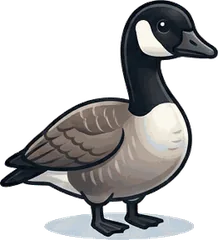 Canada Goose
Branta canadensis
Canada Goose
Branta canadensis - #006
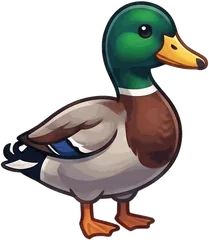 Mallard
Anas platyrhynchos
Mallard
Anas platyrhynchos - #014
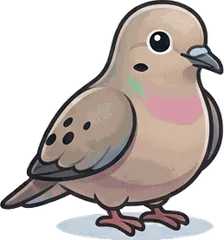 Mourning Dove
Zenaida macroura
Mourning Dove
Zenaida macroura - #018
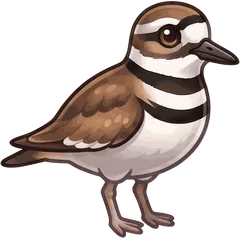 Killdeer
Charadrius vociferus
Killdeer
Charadrius vociferus - #020
 ?Catch it to find out
 - #026
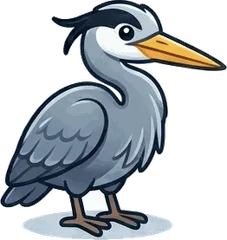 Great Blue Heron
Ardea herodias
Great Blue Heron
Ardea herodias - #029
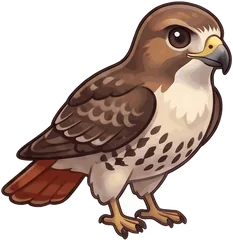 Red-tailed Hawk
Buteo jamaicensis
Red-tailed Hawk
Buteo jamaicensis - #032
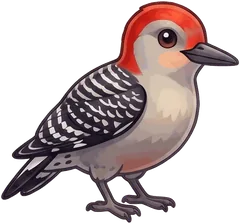 Red-bellied Woodpecker
Melanerpes carolinus
Red-bellied Woodpecker
Melanerpes carolinus - #033
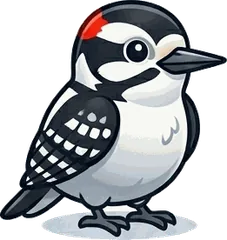 Downy Woodpecker
Dryobates pubescens
Downy Woodpecker
Dryobates pubescens - #035
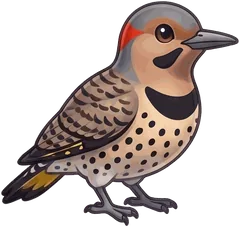 Northern Flicker
Colaptes auratus
Northern Flicker
Colaptes auratus - #043
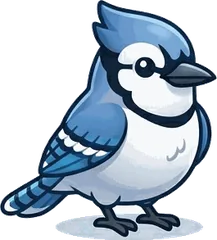 Blue Jay
Cyanocitta cristata
Blue Jay
Cyanocitta cristata - #044
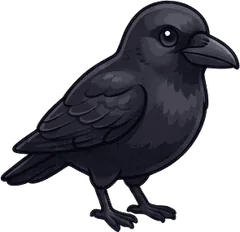 American Crow
Corvus brachyrhynchos
American Crow
Corvus brachyrhynchos - #046
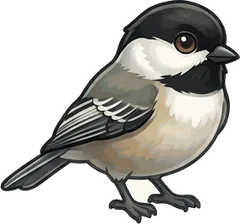 Black-capped Chickadee
Poecile atricapillus
Black-capped Chickadee
Poecile atricapillus - #053
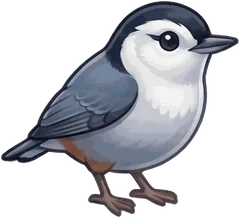 White-breasted Nuthatch
Sitta carolinensis
White-breasted Nuthatch
Sitta carolinensis - #059
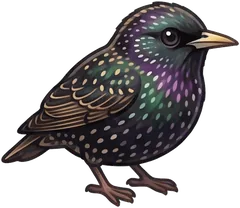 European Starling
Sturnus vulgaris
European Starling
Sturnus vulgaris - #066
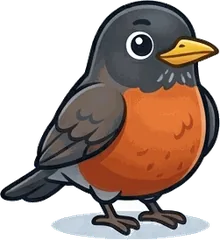 American Robin
Turdus migratorius
American Robin
Turdus migratorius - #068
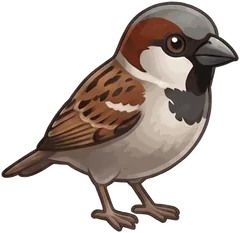 House Sparrow
Passer domesticus
House Sparrow
Passer domesticus - #069
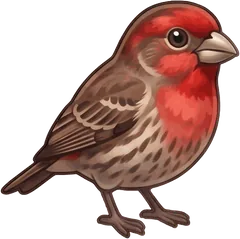 House Finch
Haemorhous mexicanus
House Finch
Haemorhous mexicanus - #070
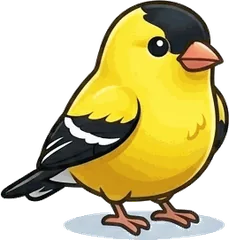 American Goldfinch
Spinus tristis
American Goldfinch
Spinus tristis - #074
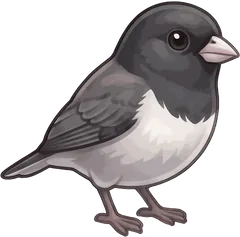 Dark-eyed Junco
Junco hyemalis
Dark-eyed Junco
Junco hyemalis - #078
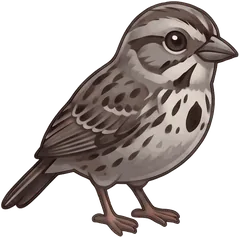 Song Sparrow
Melospiza melodia
Song Sparrow
Melospiza melodia - #083
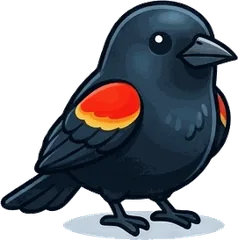 Red-winged Blackbird
Agelaius phoeniceus
Red-winged Blackbird
Agelaius phoeniceus - #084
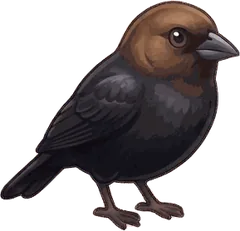 Brown-headed Cowbird
Molothrus ater
Brown-headed Cowbird
Molothrus ater - #085
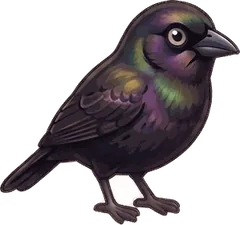 Common Grackle
Quiscalus quiscula
Common Grackle
Quiscalus quiscula - #097
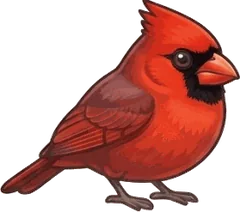 Northern Cardinal
Cardinalis cardinalis
Northern Cardinal
Cardinalis cardinalis
Uncommon 35 cards
- #002
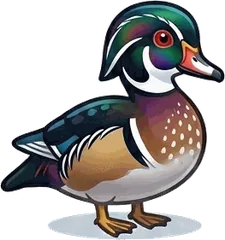 Wood Duck
Aix sponsa
Wood Duck
Aix sponsa - #013
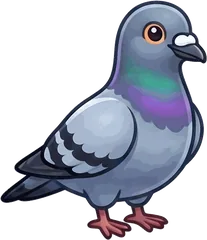 Rock Pigeon
Columba livia
Rock Pigeon
Columba livia - #015
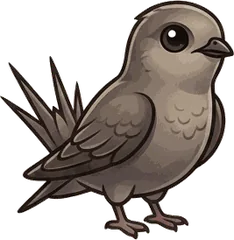 Chimney Swift
Chaetura pelagica
Chimney Swift
Chaetura pelagica - #016
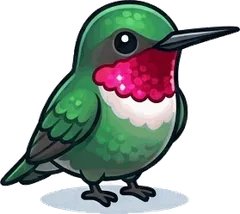 Ruby-throated Hummingbird
Archilochus colubris
Ruby-throated Hummingbird
Archilochus colubris - #021
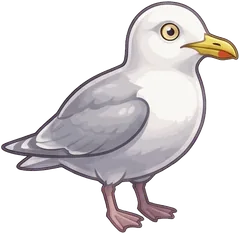 Herring Gull
Larus smithsonianus
Herring Gull
Larus smithsonianus - #025
 ?Catch it to find out
 - #027
 ?Catch it to find out
 - #028
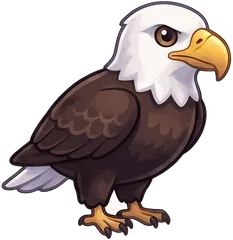 Bald Eagle
Haliaeetus leucocephalus
Bald Eagle
Haliaeetus leucocephalus - #037
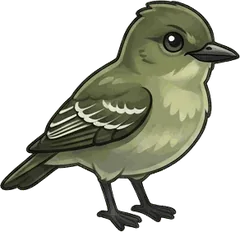 Eastern Wood-Pewee
Contopus virens
Eastern Wood-Pewee
Contopus virens - #038
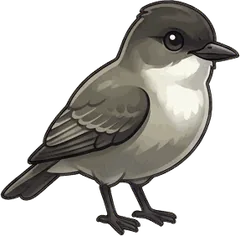 Eastern Phoebe
Sayornis phoebe
Eastern Phoebe
Sayornis phoebe - #040
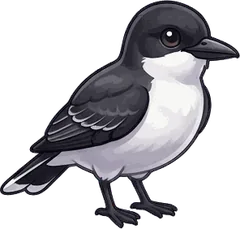 Eastern Kingbird
Tyrannus tyrannus
Eastern Kingbird
Tyrannus tyrannus - #041
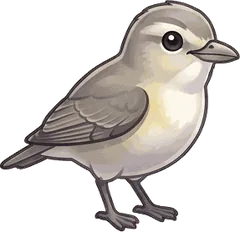 Warbling Vireo
Vireo gilvus
Warbling Vireo
Vireo gilvus - #042
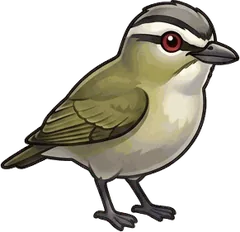 Red-eyed Vireo
Vireo olivaceus
Red-eyed Vireo
Vireo olivaceus - #047
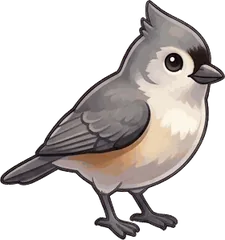 Tufted Titmouse
Baeolophus bicolor
Tufted Titmouse
Baeolophus bicolor - #048
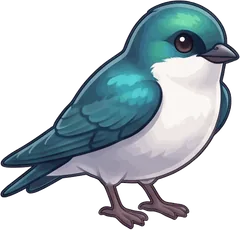 Tree Swallow
Tachycineta bicolor
Tree Swallow
Tachycineta bicolor - #051
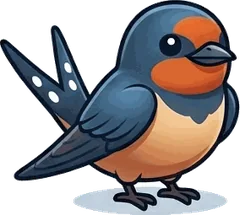 Barn Swallow
Hirundo rustica
Barn Swallow
Hirundo rustica - #056
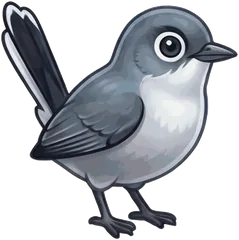 Blue-gray Gnatcatcher
Polioptila caerulea
Blue-gray Gnatcatcher
Polioptila caerulea - #057
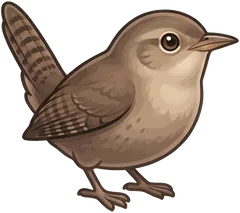 House Wren
Troglodytes aedon
House Wren
Troglodytes aedon - #058
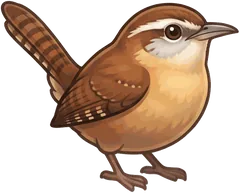 Carolina Wren
Thryothorus ludovicianus
Carolina Wren
Thryothorus ludovicianus - #060
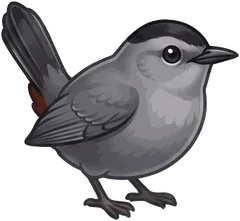 Gray Catbird
Dumetella carolinensis
Gray Catbird
Dumetella carolinensis - #062
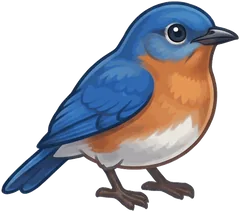 Eastern Bluebird
Sialia sialis
Eastern Bluebird
Sialia sialis - #067
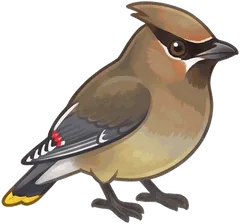 Cedar Waxwing
Bombycilla cedrorum
Cedar Waxwing
Bombycilla cedrorum - #071
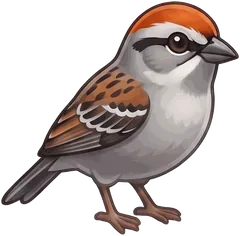 Chipping Sparrow
Spizella passerina
Chipping Sparrow
Spizella passerina - #072
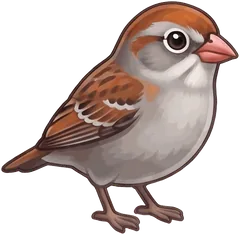 Field Sparrow
Spizella pusilla
Field Sparrow
Spizella pusilla - #073
 ?Catch it to find out
 - #076
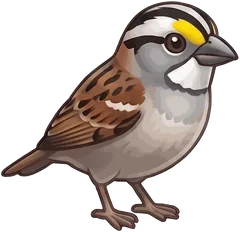 White-throated Sparrow
Zonotrichia albicollis
White-throated Sparrow
Zonotrichia albicollis - #080
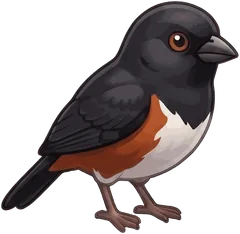 Eastern Towhee
Pipilo erythrophthalmus
Eastern Towhee
Pipilo erythrophthalmus - #081
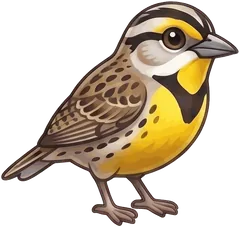 Eastern Meadowlark
Sturnella magna
Eastern Meadowlark
Sturnella magna - #082
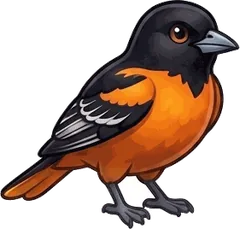 Baltimore Oriole
Icterus galbula
Baltimore Oriole
Icterus galbula - #089
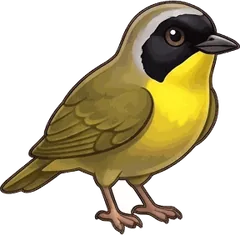 Common Yellowthroat
Geothlypis trichas
Common Yellowthroat
Geothlypis trichas - #090
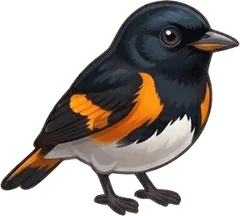 American Redstart
Setophaga ruticilla
American Redstart
Setophaga ruticilla - #093
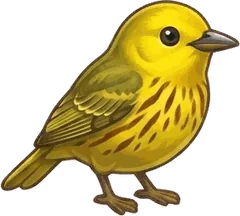 Yellow Warbler
Setophaga petechia
Yellow Warbler
Setophaga petechia - #094
 ?Catch it to find out
 - #095
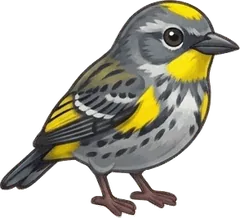 Yellow-rumped Warbler
Setophaga coronata
Yellow-rumped Warbler
Setophaga coronata - #099
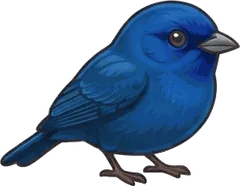 Indigo Bunting
Passerina cyanea
Indigo Bunting
Passerina cyanea
Rare 30 cards
- #003
 ?Catch it to find out
 - #004
 ?Catch it to find out
 - #008
 ?Catch it to find out
 - #009
 ?Catch it to find out
 - #011
 ?Catch it to find out
 - #012
 ?Catch it to find out
 - #017
 ?Catch it to find out
 - #019
 ?Catch it to find out
 - #022
 ?Catch it to find out
 - #023
 ?Catch it to find out
 - #024
 ?Catch it to find out
 - #030
 ?Catch it to reveal
 - #031?Catch it to reveal
- #036?Catch it to reveal
- #039?Catch it to reveal
- #045?Catch it to reveal
- #050
 ?Catch it to find out
 - #052?Catch it to reveal
- #054?Catch it to reveal
- #055?Catch it to reveal
- #061?Catch it to reveal
- #063?Catch it to reveal
- #075?Catch it to reveal
- #077
 ?Catch it to find out
 - #079
 ?Catch it to find out
 - #086?Catch it to reveal
- #087
 ?Catch it to find out
 - #088
 ?Catch it to find out
 - #092
 ?Catch it to find out
 - #098?Catch it to reveal
Legendary 10 cards
- #005
 ?Catch it to find out
 - #007
 ?Catch it to find out
 - #010
 ?Catch it to find out
 - #034?Catch it to reveal
- #049?Catch it to reveal
- #064?Catch it to reveal
- #065?Catch it to reveal
- #091?Catch it to reveal
- #096
 ?Catch it to find out
 - #100
 ?Catch it to find out
 55 of the 100 cards are shown here. The other 45, including all 30 rare and 10 legendary birds, are yours to discover. Get Warble and start with the common ones.
Backyard birds you will hear first
The American Robin leads the album, singing its rolling phrases from the maple before dawn from March into July. The Northern Cardinal is second, whistling from the hedge in every month, and the Red-winged Blackbird sings conk-la-ree from every roadside ditch with a cattail in it. The American Goldfinch calls po-ta-to-chip as it bounces overhead, and the Mourning Dove coos from the wire.
On the ponds, the Canada Goose is the third most reported bird in Illinois, with a Mallard on every pond. At the feeder, Downy Woodpeckers whinny, Black-capped Chickadees whistle fee-bee in the north and Carolina Chickadees take over in the south, and the Blue Jay yells from the oaks.
The regions, by ear
Chicago and the lakefront
Lake Michigan is a wall for migrating songbirds, and they pile up in the last green spots before it. Montrose Point, 15 acres in Lincoln Park with a famous stretch of honeysuckle called the Magic Hedge, has recorded 349 species and is the busiest eBird hotspot in the state, loud with warblers, thrushes and sparrows in May and again in September, with Northern Saw-whet and Snowy Owls roosting there in winter.
The Illinois River valley
A chain of backwater lakes, bottomland forest and restored wetland from Peoria down to the Mississippi. Chautauqua refuge was set up in 1936 as a sanctuary for the millions of birds that move along the river, and it is a Ramsar wetland and a Western Hemisphere Shorebird Reserve site. Emiquon, 2,631 acres where the Spoon River meets the Illinois, was farmed for decades and is now wetland again, with White-faced Ibis in summer. Bald Eagles are abundant along the whole valley in winter.
Central prairie and farmland
Big fields, hedgerows and a few prairie remnants. Eastern Meadowlarks whistle from the fence posts, Dickcissels buzz their own name from the roadside, Horned Larks tinkle over bare ground, and Killdeer cry over every gravel lot.
The southern hills
Oak-hickory ridges and swamp. Crab Orchard refuge, 44,000 acres near Carbondale with three lakes and a 4,050-acre wilderness, has six pairs of nesting Bald Eagles, Wild Turkeys, and songbirds like Eastern Bluebird, Indigo Bunting, White-eyed Vireo and Summer Tanager. The Barred Owl asks who cooks for you from the bottomlands after dark.
Best months to listen
Late April through May is the peak. Residents are singing for territory, and the lakefront and the river woods are full of warblers. June and early July are the nesting season, still loud at dawn. Fall migration is long and quieter, September and October for songbirds, October and November for ducks on the Illinois River. Winter is eagles along the rivers, owls on the lakefront and juncos and chickadees at the feeder. In any season, the first two hours of light carry the song.
Places worth the drive
- Montrose Point Bird Sanctuary, Chicago: 349 species on 15 acres, warblers in May, owls in winter.
- Chautauqua National Wildlife Refuge, near Havana: Illinois River backwaters, ducks and shorebirds on migration, eagles in winter.
- Emiquon National Wildlife Refuge, near Lewistown: 2,631 acres of restored wetland where the Spoon River meets the Illinois.
- Crab Orchard National Wildlife Refuge, near Carbondale: 44,000 acres of lakes and oak-hickory forest, nesting Bald Eagles, southern songbirds.
None of them is required. A yard with a feeder and a maple hands you the first 25 cards of the Warble album by May.
Listen before you go
Three of the common Illinois birds, so the first songs you hear outside already ring a bell.
Recording by Chase Harris, CC0, via iNaturalist.
Recording by Chase Harris, CC0, via iNaturalist.
Recording by Fionn Ó Marcaigh, CC BY 4.0, via iNaturalist.
Questions people ask
What is the most common bird in Illinois?
By the reports behind the album, the American Robin, followed by the Northern Cardinal, the Canada Goose, the Red-winged Blackbird, the American Goldfinch and the Mourning Dove. The cardinal is also the state bird.
What is the state bird of Illinois?
The Northern Cardinal, adopted in 1929. Six other states share it: Indiana, Kentucky, North Carolina, Ohio, Virginia and West Virginia.
How many bird species are there in Illinois?
455 species and two species pairs as of March 2024, according to the Illinois Ornithological Records Committee, of which 92 are accidental and 38 casual. The Warble album covers the 100 reported most often.
Nearby albums
Sources
- Wikipedia: List of birds of Illinois. en.wikipedia.org/wiki/List_of_birds_of_Illinois
- Wikipedia: Montrose Point Bird Sanctuary. en.wikipedia.org/wiki/Montrose_Point_Bird_Sanctuary
- U.S. Fish and Wildlife Service: Crab Orchard National Wildlife Refuge. www.fws.gov/refuge/crab-orchard
- Wikipedia: List of Illinois state symbols. en.wikipedia.org/wiki/List_of_Illinois_state_symbols