 Warble
The state bird: American Robin
Adopted by the General Assembly in 1943. The reddish-breasted bird on the lawn with the loud, cheerful carol, and not the sign of spring people think: plenty of robins stay all winter, roosting in evergreen swamps and eating berries.
Recording by elonicera, CC0, via iNaturalist.
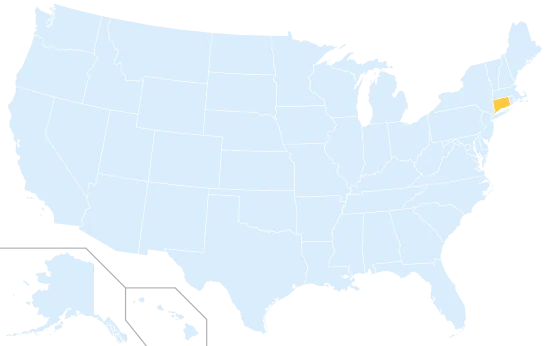
Connecticut is small, but it has three sounds. The shoreline along Long Island Sound is terns, gulls, Ospreys and salt-marsh sparrows, with a national wildlife refuge scattered in ten pieces along 70 miles of coast. The river valleys and the suburbs in between are the everyday New England chorus. And the hills in the northwest, the Litchfield Hills, are real northern forest, where Hermit Thrushes and Veeries sing in June and Barred Owls call at night.
A yard anywhere from Greenwich to Storrs gives you the same start: Blue Jay, cardinal, robin, chickadee, titmouse, Song Sparrow, Mourning Dove, goldfinch, Downy Woodpecker and a Carolina Wren. That is ten of the album before breakfast.
The Connecticut album
These are the 100 birds people report most often in Connecticut, ranked by how frequently they turn up. The common and uncommon ones are shown; the rare and legendary cards stay face down until you catch them in the game.
Common 25 cards
- #002
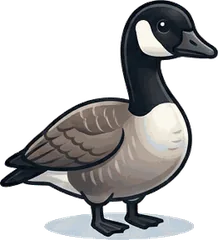 Canada Goose
Branta canadensis
Canada Goose
Branta canadensis - #005
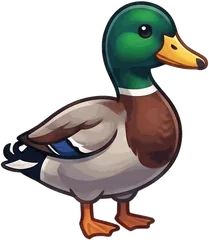 Mallard
Anas platyrhynchos
Mallard
Anas platyrhynchos - #015
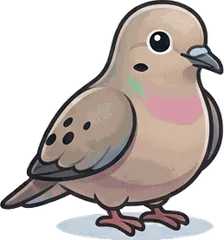 Mourning Dove
Zenaida macroura
Mourning Dove
Zenaida macroura - #021
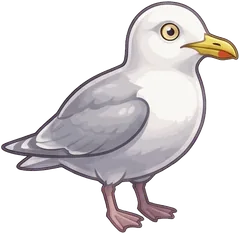 Herring Gull
Larus smithsonianus
Herring Gull
Larus smithsonianus - #035
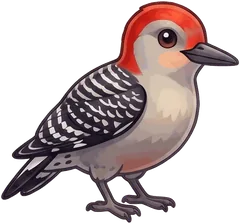 Red-bellied Woodpecker
Melanerpes carolinus
Red-bellied Woodpecker
Melanerpes carolinus - #036
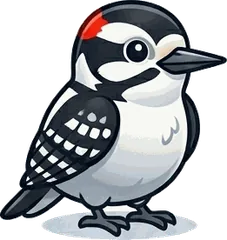 Downy Woodpecker
Dryobates pubescens
Downy Woodpecker
Dryobates pubescens - #038
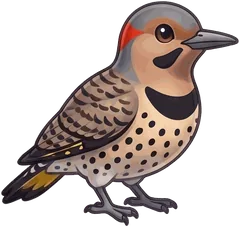 Northern Flicker
Colaptes auratus
Northern Flicker
Colaptes auratus - #045
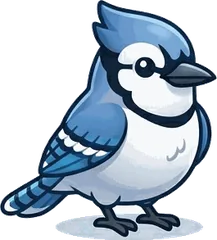 Blue Jay
Cyanocitta cristata
Blue Jay
Cyanocitta cristata - #046
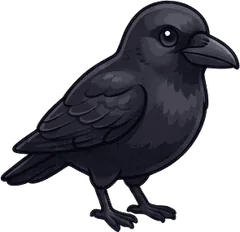 American Crow
Corvus brachyrhynchos
American Crow
Corvus brachyrhynchos - #049
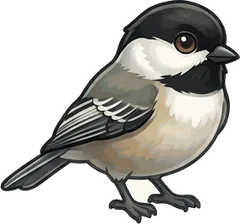 Black-capped Chickadee
Poecile atricapillus
Black-capped Chickadee
Poecile atricapillus - #050
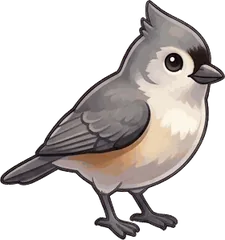 Tufted Titmouse
Baeolophus bicolor
Tufted Titmouse
Baeolophus bicolor - #055
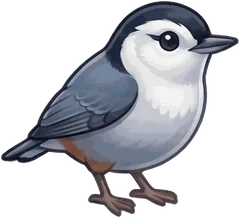 White-breasted Nuthatch
Sitta carolinensis
White-breasted Nuthatch
Sitta carolinensis - #059
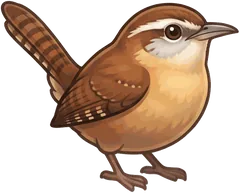 Carolina Wren
Thryothorus ludovicianus
Carolina Wren
Thryothorus ludovicianus - #060
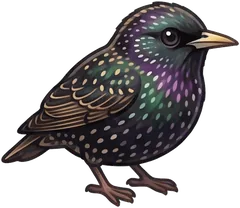 European Starling
Sturnus vulgaris
European Starling
Sturnus vulgaris - #061
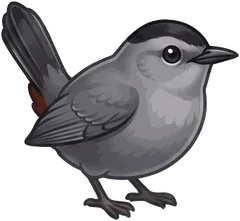 Gray Catbird
Dumetella carolinensis
Gray Catbird
Dumetella carolinensis - #067
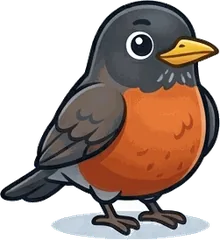 American Robin
Turdus migratorius
American Robin
Turdus migratorius - #069
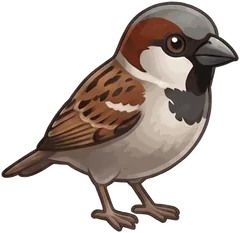 House Sparrow
Passer domesticus
House Sparrow
Passer domesticus - #070
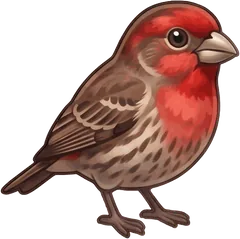 House Finch
Haemorhous mexicanus
House Finch
Haemorhous mexicanus - #072
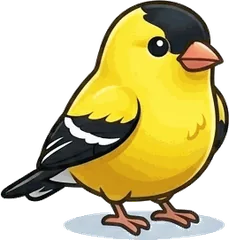 American Goldfinch
Spinus tristis
American Goldfinch
Spinus tristis - #076
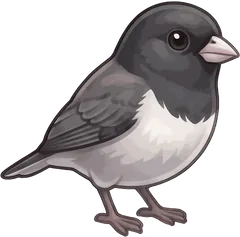 Dark-eyed Junco
Junco hyemalis
Dark-eyed Junco
Junco hyemalis - #077
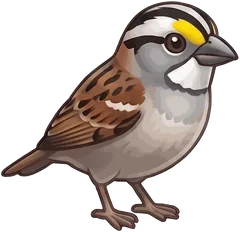 White-throated Sparrow
Zonotrichia albicollis
White-throated Sparrow
Zonotrichia albicollis - #079
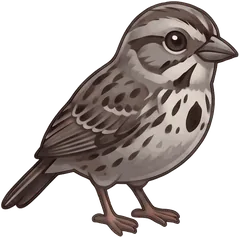 Song Sparrow
Melospiza melodia
Song Sparrow
Melospiza melodia - #083
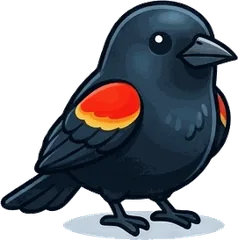 Red-winged Blackbird
Agelaius phoeniceus
Red-winged Blackbird
Agelaius phoeniceus - #085
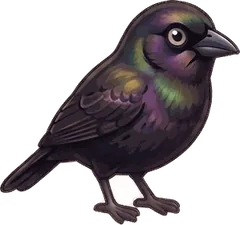 Common Grackle
Quiscalus quiscula
Common Grackle
Quiscalus quiscula - #098
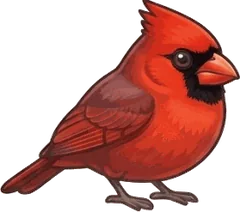 Northern Cardinal
Cardinalis cardinalis
Northern Cardinal
Cardinalis cardinalis
Uncommon 35 cards
- #003
 ?Catch it to find out
 - #004
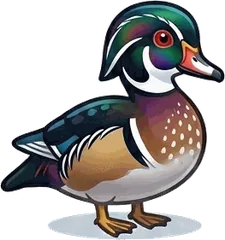 Wood Duck
Aix sponsa
Wood Duck
Aix sponsa - #006
 ?Catch it to find out
 - #010
 ?Catch it to find out
 - #014
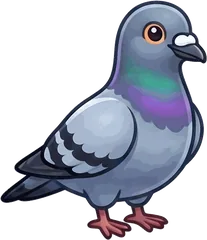 Rock Pigeon
Columba livia
Rock Pigeon
Columba livia - #016
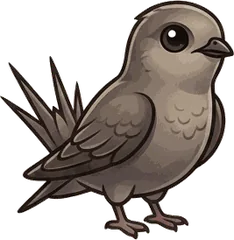 Chimney Swift
Chaetura pelagica
Chimney Swift
Chaetura pelagica - #017
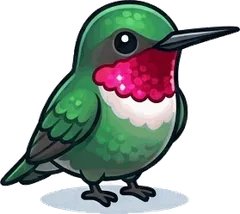 Ruby-throated Hummingbird
Archilochus colubris
Ruby-throated Hummingbird
Archilochus colubris - #018
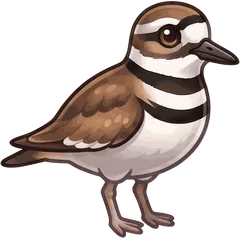 Killdeer
Charadrius vociferus
Killdeer
Charadrius vociferus - #020
 ?Catch it to find out
 - #022
 ?Catch it to find out
 - #025
 ?Catch it to find out
 - #026
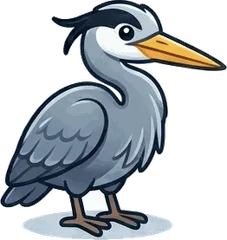 Great Blue Heron
Ardea herodias
Great Blue Heron
Ardea herodias - #027
 ?Catch it to find out
 - #028
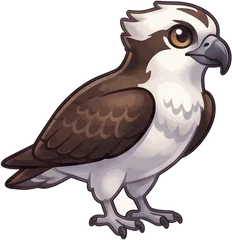 Osprey
Pandion haliaetus
Osprey
Pandion haliaetus - #031
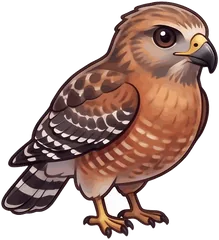 Red-shouldered Hawk
Buteo lineatus
Red-shouldered Hawk
Buteo lineatus - #032
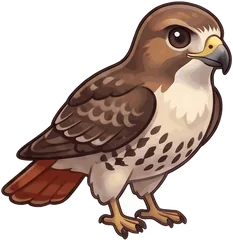 Red-tailed Hawk
Buteo jamaicensis
Red-tailed Hawk
Buteo jamaicensis - #033
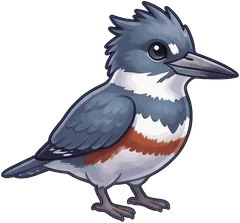 Belted Kingfisher
Megaceryle alcyon
Belted Kingfisher
Megaceryle alcyon - #040
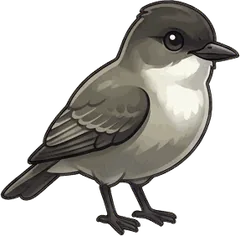 Eastern Phoebe
Sayornis phoebe
Eastern Phoebe
Sayornis phoebe - #044
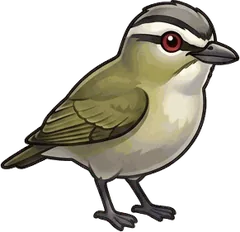 Red-eyed Vireo
Vireo olivaceus
Red-eyed Vireo
Vireo olivaceus - #047
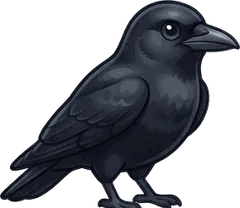 Fish Crow
Corvus ossifragus
Fish Crow
Corvus ossifragus - #051
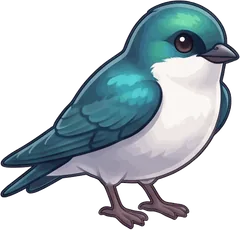 Tree Swallow
Tachycineta bicolor
Tree Swallow
Tachycineta bicolor - #053
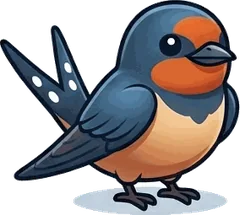 Barn Swallow
Hirundo rustica
Barn Swallow
Hirundo rustica - #058
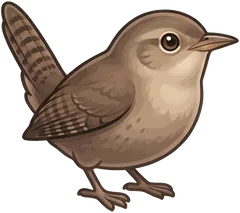 House Wren
Troglodytes aedon
House Wren
Troglodytes aedon - #062
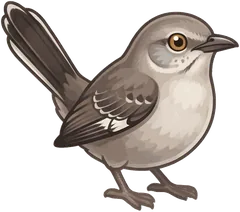 Northern Mockingbird
Mimus polyglottos
Northern Mockingbird
Mimus polyglottos - #063
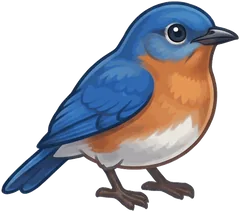 Eastern Bluebird
Sialia sialis
Eastern Bluebird
Sialia sialis - #066
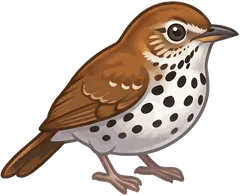 Wood Thrush
Hylocichla mustelina
Wood Thrush
Hylocichla mustelina - #068
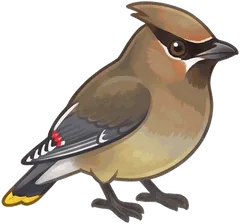 Cedar Waxwing
Bombycilla cedrorum
Cedar Waxwing
Bombycilla cedrorum - #073
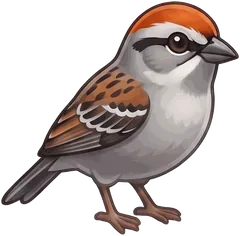 Chipping Sparrow
Spizella passerina
Chipping Sparrow
Spizella passerina - #081
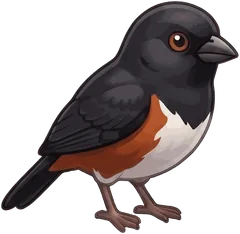 Eastern Towhee
Pipilo erythrophthalmus
Eastern Towhee
Pipilo erythrophthalmus - #082
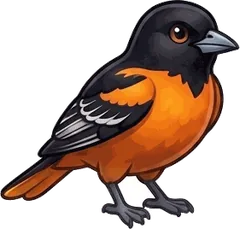 Baltimore Oriole
Icterus galbula
Baltimore Oriole
Icterus galbula - #084
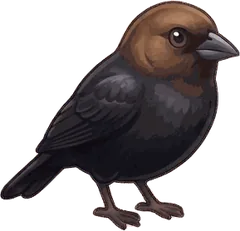 Brown-headed Cowbird
Molothrus ater
Brown-headed Cowbird
Molothrus ater - #089
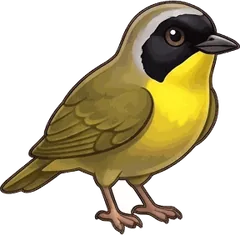 Common Yellowthroat
Geothlypis trichas
Common Yellowthroat
Geothlypis trichas - #090
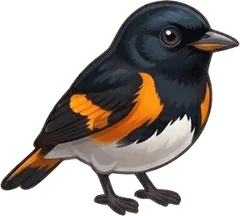 American Redstart
Setophaga ruticilla
American Redstart
Setophaga ruticilla - #092
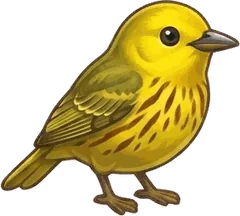 Yellow Warbler
Setophaga petechia
Yellow Warbler
Setophaga petechia - #095
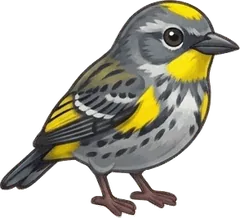 Yellow-rumped Warbler
Setophaga coronata
Yellow-rumped Warbler
Setophaga coronata
Rare 30 cards
- #001
 ?Catch it to find out
 - #008
 ?Catch it to find out
 - #011
 ?Catch it to find out
 - #012
 ?Catch it to find out
 - #013
 ?Catch it to reveal
 - #019
 ?Catch it to find out
 - #023?Catch it to reveal
- #024
 ?Catch it to find out
 - #029
 ?Catch it to find out
 - #030?Catch it to reveal
- #034?Catch it to reveal
- #037?Catch it to reveal
- #039?Catch it to reveal
- #041?Catch it to reveal
- #042?Catch it to reveal
- #043?Catch it to reveal
- #048?Catch it to reveal
- #052
 ?Catch it to find out
 - #054?Catch it to reveal
- #057?Catch it to reveal
- #064?Catch it to reveal
- #074?Catch it to reveal
- #078
 ?Catch it to find out
 - #080
 ?Catch it to find out
 - #086?Catch it to reveal
- #088?Catch it to reveal
- #094?Catch it to reveal
- #097?Catch it to reveal
- #099?Catch it to reveal
- #100?Catch it to reveal
Legendary 10 cards
- #007
 ?Catch it to find out
 - #009
 ?Catch it to find out
 - #056?Catch it to reveal
- #065?Catch it to reveal
- #071?Catch it to reveal
- #075
 ?Catch it to find out
 - #087
 ?Catch it to find out
 - #091?Catch it to reveal
- #093
 ?Catch it to find out
 - #096
 ?Catch it to find out
 53 of the 100 cards are shown here. The other 47, including all 30 rare and 10 legendary birds, are yours to discover. Get Warble and start with the common ones.
Backyard birds you will hear first
The Blue Jay leads the Connecticut album, and it is the one bird everybody already knows by ear: a harsh jay, jay, a bell-like queedle, and a Red-shouldered Hawk scream good enough to fool the hawk. The Northern Cardinal whistles cheer, cheer, cheer from the top of the maple by February, and the American Robin is the first voice of the morning from March to July, a run of short, clear phrases that goes on and on.
The Black-capped Chickadee gives its name as a call and a two-note fee-bee whistle as a song, and the Tufted Titmouse rings out peter, peter, peter from the oaks. The Song Sparrow sings from the top of the hedge, two or three clear notes and then a jumble, and the American Goldfinch flies over calling po-ta-to-chip.
Add the Downy Woodpecker's whinny, the White-breasted Nuthatch's nasal yank, the Carolina Wren shouting teakettle from the woodpile, and the Gray Catbird mewing from the forsythia from May on.
The regions, by ear
The shoreline
Long Island Sound, salt marsh and barrier beach. The Stewart B. McKinney National Wildlife Refuge runs in ten units along 70 miles of coast, and its Falkner Island holds more than 2,000 pairs of Common Terns and some 40 pairs of endangered Roseate Terns, so the sound of a summer boat trip is terns screaming. Ospreys whistle from platform nests in every marsh, Piping Plovers pipe from the beaches, and in fall Bluff Point in Groton and Lighthouse Point in New Haven collect migrating songbirds and hawks heading down the Atlantic Flyway.
The Connecticut River valley and the suburbs
Marsh and farmland with towns between. Red-winged Blackbirds sing konk-la-ree from the cattails in March, Wood Ducks whistle off the ponds, and the suburban chorus of jay, cardinal, robin and titmouse fills the rest.
The Litchfield Hills and the Quiet Corner
Northern hardwood forest, hemlock ravines, hayfields and old stone walls. In June the Wood Thrush and the Veery sing at dusk, the Scarlet Tanager rasps from the canopy, Black-throated Green Warblers buzz from the hemlocks, and the Barred Owl asks who cooks for you after dark. Audubon centers at Sharon and Southbury sit in this country.
Best months to listen
May is the month. The residents are on territory, the thrushes and warblers arrive, and by the end of it every wood in the state is singing from 5 am. June keeps most of it, especially in the hills. July fades, and August is quiet but for catbirds and goldfinches.
September and October bring the fall flight along the coast, hawks on northwest winds and sparrows in the thickets. Winter is chickadees, titmice, cardinals, jays and the robins that never left, plus sea ducks and gulls on the Sound.
Places worth the drive
- Hammonasset Beach State Park, Madison: the largest shoreline park in the state, two miles of beach, and Meigs Point for shorebirds and fall migrants.
- Milford Point, Milford: a Connecticut Audubon center on the salt marsh, with terns and plovers in summer.
- Bluff Point State Park, Groton: an undeveloped coastal peninsula with more than 200 species recorded, best on a September morning.
- Lighthouse Point Park, New Haven: the fall hawk watch on the Atlantic Flyway.
- The Litchfield Hills: thrushes, tanagers and warblers in June, and Barred Owls after dark.
None of them is required. A yard with a feeder and a few oaks will give you 30 of the 100 in a year.
Listen before you go
Three of the common Connecticut birds, so the first songs you hear outside already ring a bell.
Recording by Chase Harris, CC0, via iNaturalist.
Recording by Chase Harris, CC0, via iNaturalist.
Recording by Fionn Ó Marcaigh, CC BY 4.0, via iNaturalist.
Questions people ask
What is the state bird of Connecticut?
The American Robin, adopted by the General Assembly in 1943. It is the reddish-breasted thrush on the lawn, and many of them stay in Connecticut all winter, roosting in evergreen swamps and eating berries.
How many bird species are there in Connecticut?
The Avian Records Committee of Connecticut listed 451 species as of March 2022, 307 of them regular residents or migrants. The Warble album covers the 100 reported most often.
What bird is singing before dawn in Connecticut?
In spring and early summer, the American Robin. It is among the first birds to start, often well before light, and among the last to stop at dusk. Cardinals and Song Sparrows join it soon after.
Nearby albums
Sources
- State of Connecticut: The State Bird. portal.ct.gov/about/state-symbols/the-state-bird
- Wikipedia: List of birds of Connecticut. en.wikipedia.org/wiki/List_of_birds_of_Connecticut
- U.S. Fish and Wildlife Service: Stewart B. McKinney National Wildlife Refuge. www.fws.gov/refuge/stewart-b-mckinney
- National Audubon Society, Audubon Connecticut. www.audubon.org/connecticut