 Warble
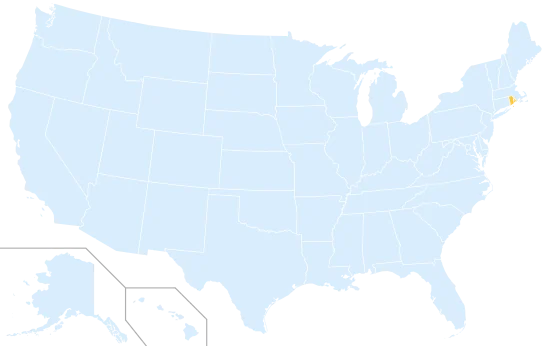
The state bird: Rhode Island Red
Adopted in 1954, the year the state marked the breed's centenary with a monument at the Tripp farm in Little Compton. It is a chicken, not a wild bird: a deep red, almost black-tailed farmyard hen bred in Rhode Island and Massachusetts in the second half of the 1800s, famous for laying 200 to 300 brown eggs a year.
The Rhode Island Avian Records Committee had 446 species on the state list as of July 2021, with 175 of them known to have nested here and 123 counted as vagrants. That is a long list for the smallest state, and the coast explains it: Narragansett Bay, the barrier beaches and salt ponds of South County, and Block Island offshore, where tired songbirds drop in every fall after overflying the mainland.
Inland, Rhode Island sounds like the rest of southern New England. Oak and pine woods with a chickadee and a titmouse in them, old fields going to cedar and Song Sparrow, and towns where the cardinal sings from a rhododendron and the robin from a telephone wire.
The Rhode Island album
These are the 100 birds people report most often in Rhode Island, ranked by how frequently they turn up. The common and uncommon ones are shown; the rare and legendary cards stay face down until you catch them in the game.
Common 25 cards
- #002
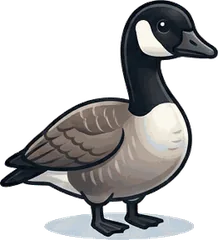 Canada Goose
Branta canadensis
Canada Goose
Branta canadensis - #005
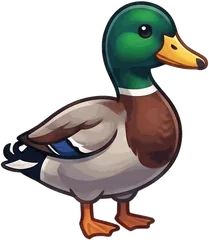 Mallard
Anas platyrhynchos
Mallard
Anas platyrhynchos - #017
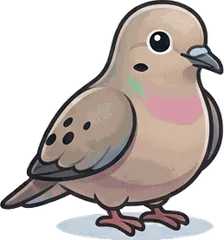 Mourning Dove
Zenaida macroura
Mourning Dove
Zenaida macroura - #032
 ?Catch it to find out
 - #033
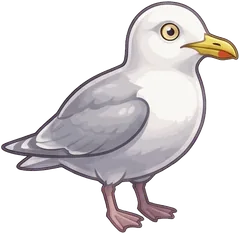 Herring Gull
Larus smithsonianus
Herring Gull
Larus smithsonianus - #034
 ?Catch it to find out
 - #046
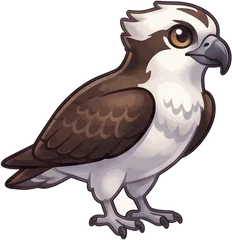 Osprey
Pandion haliaetus
Osprey
Pandion haliaetus - #050
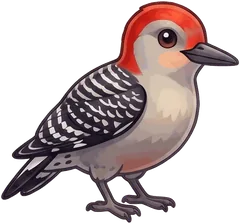 Red-bellied Woodpecker
Melanerpes carolinus
Red-bellied Woodpecker
Melanerpes carolinus - #051
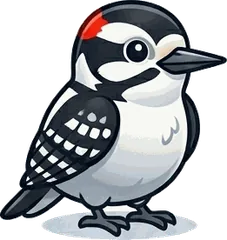 Downy Woodpecker
Dryobates pubescens
Downy Woodpecker
Dryobates pubescens - #058
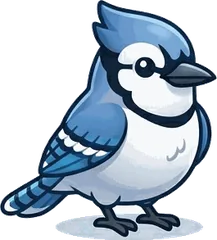 Blue Jay
Cyanocitta cristata
Blue Jay
Cyanocitta cristata - #059
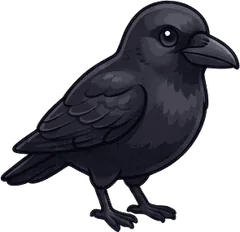 American Crow
Corvus brachyrhynchos
American Crow
Corvus brachyrhynchos - #061
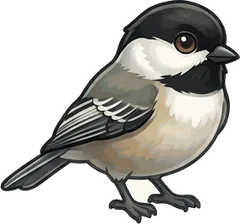 Black-capped Chickadee
Poecile atricapillus
Black-capped Chickadee
Poecile atricapillus - #062
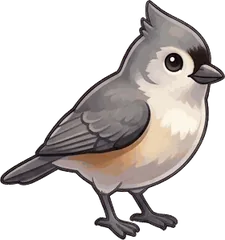 Tufted Titmouse
Baeolophus bicolor
Tufted Titmouse
Baeolophus bicolor - #066
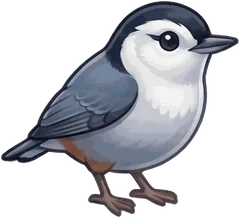 White-breasted Nuthatch
Sitta carolinensis
White-breasted Nuthatch
Sitta carolinensis - #069
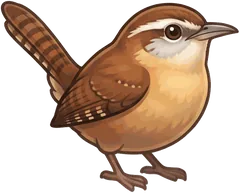 Carolina Wren
Thryothorus ludovicianus
Carolina Wren
Thryothorus ludovicianus - #070
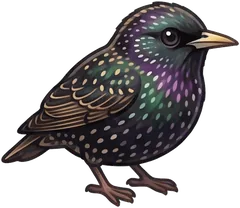 European Starling
Sturnus vulgaris
European Starling
Sturnus vulgaris - #071
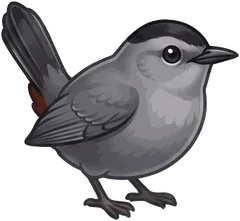 Gray Catbird
Dumetella carolinensis
Gray Catbird
Dumetella carolinensis - #075
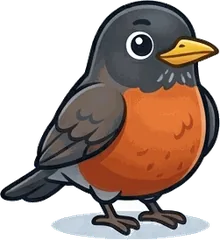 American Robin
Turdus migratorius
American Robin
Turdus migratorius - #077
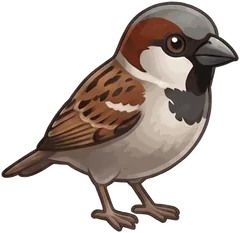 House Sparrow
Passer domesticus
House Sparrow
Passer domesticus - #078
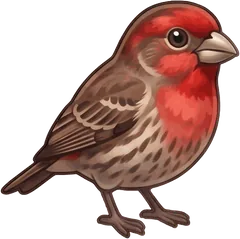 House Finch
Haemorhous mexicanus
House Finch
Haemorhous mexicanus - #079
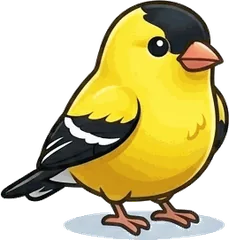 American Goldfinch
Spinus tristis
American Goldfinch
Spinus tristis - #085
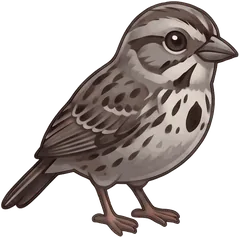 Song Sparrow
Melospiza melodia
Song Sparrow
Melospiza melodia - #089
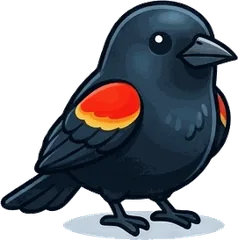 Red-winged Blackbird
Agelaius phoeniceus
Red-winged Blackbird
Agelaius phoeniceus - #091
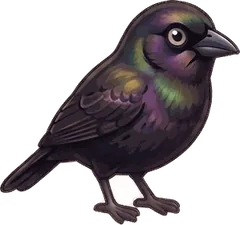 Common Grackle
Quiscalus quiscula
Common Grackle
Quiscalus quiscula - #100
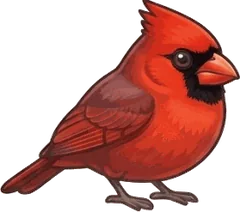 Northern Cardinal
Cardinalis cardinalis
Northern Cardinal
Cardinalis cardinalis
Uncommon 35 cards
- #003
 ?Catch it to find out
 - #006
 ?Catch it to find out
 - #008
 ?Catch it to find out
 - #011
 ?Catch it to find out
 - #013
 ?Catch it to find out
 - #014
 ?Catch it to find out
 - #016
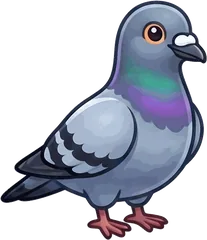 Rock Pigeon
Columba livia
Rock Pigeon
Columba livia - #018
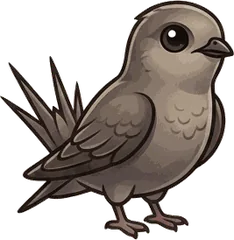 Chimney Swift
Chaetura pelagica
Chimney Swift
Chaetura pelagica - #022
 ?Catch it to find out
 - #028
 ?Catch it to find out
 - #031
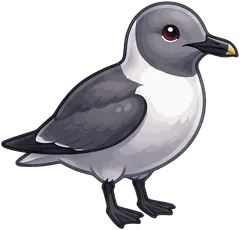 Laughing Gull
Leucophaeus atricilla
Laughing Gull
Leucophaeus atricilla - #039
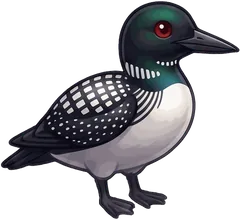 Common Loon
Gavia immer
Common Loon
Gavia immer - #043
 ?Catch it to find out
 - #044
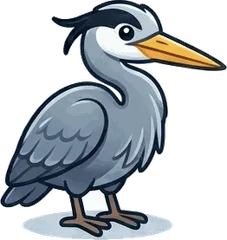 Great Blue Heron
Ardea herodias
Great Blue Heron
Ardea herodias - #045
 ?Catch it to find out
 - #048
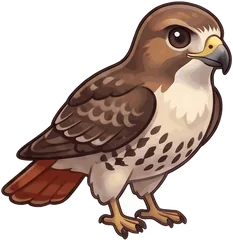 Red-tailed Hawk
Buteo jamaicensis
Red-tailed Hawk
Buteo jamaicensis - #049
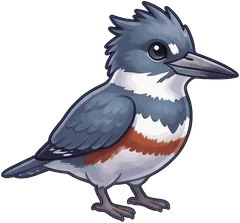 Belted Kingfisher
Megaceryle alcyon
Belted Kingfisher
Megaceryle alcyon - #052
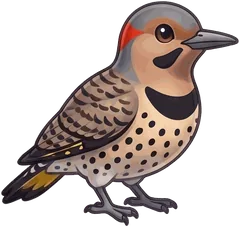 Northern Flicker
Colaptes auratus
Northern Flicker
Colaptes auratus - #054
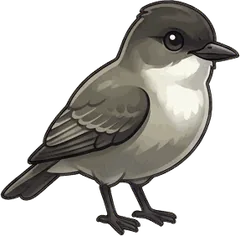 Eastern Phoebe
Sayornis phoebe
Eastern Phoebe
Sayornis phoebe - #057
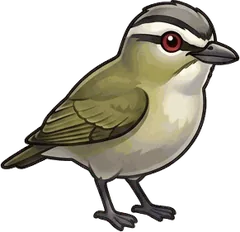 Red-eyed Vireo
Vireo olivaceus
Red-eyed Vireo
Vireo olivaceus - #060
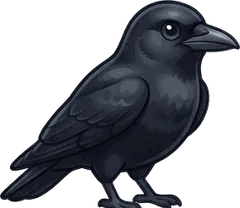 Fish Crow
Corvus ossifragus
Fish Crow
Corvus ossifragus - #063
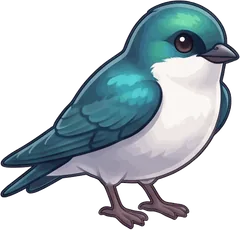 Tree Swallow
Tachycineta bicolor
Tree Swallow
Tachycineta bicolor - #064
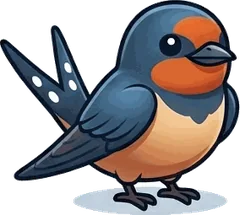 Barn Swallow
Hirundo rustica
Barn Swallow
Hirundo rustica - #068
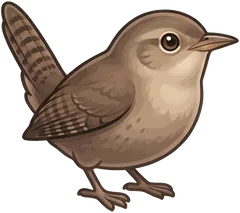 House Wren
Troglodytes aedon
House Wren
Troglodytes aedon - #072
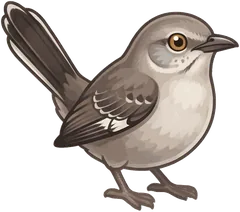 Northern Mockingbird
Mimus polyglottos
Northern Mockingbird
Mimus polyglottos - #076
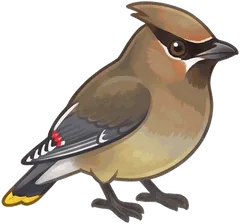 Cedar Waxwing
Bombycilla cedrorum
Cedar Waxwing
Bombycilla cedrorum - #080
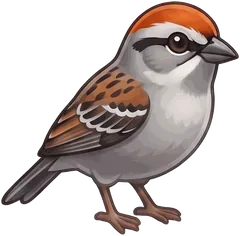 Chipping Sparrow
Spizella passerina
Chipping Sparrow
Spizella passerina - #082
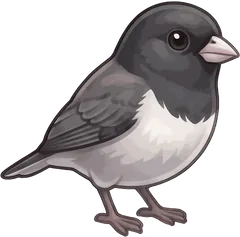 Dark-eyed Junco
Junco hyemalis
Dark-eyed Junco
Junco hyemalis - #083
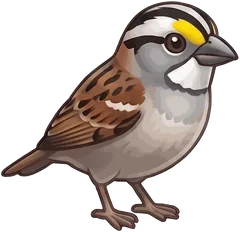 White-throated Sparrow
Zonotrichia albicollis
White-throated Sparrow
Zonotrichia albicollis - #087
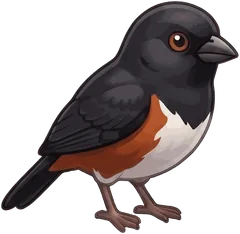 Eastern Towhee
Pipilo erythrophthalmus
Eastern Towhee
Pipilo erythrophthalmus - #088
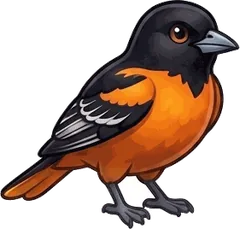 Baltimore Oriole
Icterus galbula
Baltimore Oriole
Icterus galbula - #090
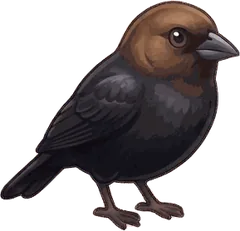 Brown-headed Cowbird
Molothrus ater
Brown-headed Cowbird
Molothrus ater - #094
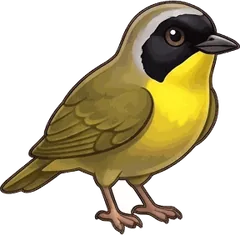 Common Yellowthroat
Geothlypis trichas
Common Yellowthroat
Geothlypis trichas - #097
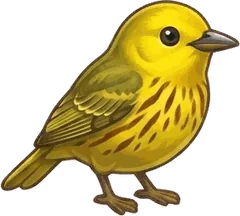 Yellow Warbler
Setophaga petechia
Yellow Warbler
Setophaga petechia - #099
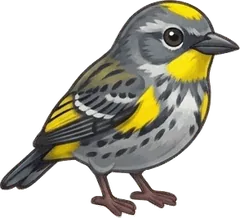 Yellow-rumped Warbler
Setophaga coronata
Yellow-rumped Warbler
Setophaga coronata
Rare 30 cards
- #001
 ?Catch it to find out
 - #004
 ?Catch it to reveal
 - #010
 ?Catch it to find out
 - #012
 ?Catch it to find out
 - #015?Catch it to reveal
- #019?Catch it to reveal
- #020
 ?Catch it to find out
 - #021?Catch it to reveal
- #025
 ?Catch it to find out
 - #026
 ?Catch it to find out
 - #029
 ?Catch it to find out
 - #030
 ?Catch it to find out
 - #035
 ?Catch it to find out
 - #036
 ?Catch it to find out
 - #037
 ?Catch it to find out
 - #040
 ?Catch it to find out
 - #041
 ?Catch it to find out
 - #047
 ?Catch it to find out
 - #053?Catch it to reveal
- #055?Catch it to reveal
- #056?Catch it to reveal
- #065?Catch it to reveal
- #067?Catch it to reveal
- #073?Catch it to reveal
- #084
 ?Catch it to find out
 - #086
 ?Catch it to find out
 - #092?Catch it to reveal
- #093?Catch it to reveal
- #095?Catch it to reveal
- #098?Catch it to reveal
Legendary 10 cards
- #007
 ?Catch it to find out
 - #009
 ?Catch it to find out
 - #023
 ?Catch it to find out
 - #024
 ?Catch it to find out
 - #027
 ?Catch it to find out
 - #038
 ?Catch it to find out
 - #042
 ?Catch it to find out
 - #074?Catch it to reveal
- #081?Catch it to reveal
- #096?Catch it to reveal
 48 of the 100 cards are shown here. The other 52, including all 30 rare and 10 legendary birds, are yours to discover. Get Warble and start with the common ones.
Backyard birds you will hear first
The Song Sparrow leads the whole album, which makes Rhode Island unusual: a plain streaky bird on the top of a shrub, singing a few clear notes, a buzz and a trill, over and over from March through summer. The American Robin is second and is the first voice before dawn, and the Northern Cardinal is third, whistling cheer, cheer from February. The Black-capped Chickadee whistles its two-note fee-bee from the feeder in the cold and scolds chick-a-dee-dee the rest of the year.
The Herring Gull is fifth, long wailing calls and a laughing kyow from rooftops, beaches and the bay. Behind it come the Blue Jay screaming from the oaks, the American Crow, the Mourning Dove cooing from the wires, the Tufted Titmouse whistling peter, peter, the American Goldfinch bouncing over with po-ta-to-chip, the Carolina Wren shouting teakettle from the woodpile and the Canada Goose over every pond and playing field.
The regions, by ear
Providence and the bay
City parks, the river and the upper bay. Cardinals and robins in the neighborhoods, Peregrine Falcons on the downtown towers, Ospreys on platforms along the shore from April, cormorants and gulls on the pilings..
South County and the salt ponds
A line of barrier beaches and salt ponds along the south shore. Ninigret National Wildlife Refuge in Charlestown, about 900 acres on Ninigret Pond, became a refuge in 1970 on land handed over by the Navy. Its salt marsh, kettle ponds, freshwater wetlands, maritime shrub and woods are used by more than 250 species over the year: Black Ducks, Canada Geese and diving ducks in winter, migrating hawks in fall, and a staff program that protects nesting Piping Plovers on the beach.
Block Island
Twelve miles out, the island is a migrant trap. In fall, songbirds that have overflown the mainland land in its shrubby fields and thickets, and the birders follow them out on the ferry. The island also holds the largest gull colony in the state and nesting Piping Plovers.
The western woods
Arcadia and the rest of the state's forest belt along the Connecticut line: oak, pine and hemlock with Wood Thrush, Ovenbird, Eastern Towhee scratching in the leaves, Eastern Whip-poor-will on a few sandy ridges after dark, and Barred Owls along the swamps.
Best months to listen
May is the peak: warblers in Swan Point Cemetery and the coastal thickets, the residents on territory, Ospreys back on their platforms. April is the honest start, with robins and Song Sparrows in full voice and woodcocks peenting in wet fields at dusk. June and July belong to the beaches and marshes, Willets, terns and plovers. September and October are Block Island's months, and then the ducks arrive on the salt ponds and the bay and stay until March. Winter is the feeder, chickadee, titmouse and cardinal, with a Carolina Wren shouting through the snow.
Places worth the drive
- Ninigret National Wildlife Refuge, Charlestown: salt pond, marsh and thicket, more than 250 species, Piping Plovers in summer and ducks in winter.
- Block Island: fall songbird migration and the state's biggest gull colony.
- Sachuest Point, Middletown: rocky shore for Harlequin Ducks and eiders in winter.
Nothing here is more than an hour away, and none of it is required. A yard in Cranston with a hedge and a feeder gives you the first 20 cards in Warble, gull included.
Listen before you go
Three of the common Rhode Island birds, so the first songs you hear outside already ring a bell.
Recording by Chase Harris, CC0, via iNaturalist.
Recording by Fionn Ó Marcaigh, CC BY 4.0, via iNaturalist.
Recording by Richard Littauer, CC BY 4.0, via iNaturalist.
Questions people ask
What is the most common bird in Rhode Island?
By the reports behind the album, the Song Sparrow, then the American Robin, the Northern Cardinal, the Black-capped Chickadee and the American Herring Gull.
What is the state bird of Rhode Island?
The Rhode Island Red, a breed of chicken developed in Rhode Island and Massachusetts in the late 1800s and adopted as the state bird in 1954. Delaware is the only other state with a chicken for a state bird.
How many bird species are there in Rhode Island?
446 species as of July 2021, according to the Rhode Island Avian Records Committee, and 175 of them have nested in the state. The Warble album covers the 100 reported most often.
Nearby albums
Sources
- Wikipedia: List of birds of Rhode Island. en.wikipedia.org/wiki/List_of_birds_of_Rhode_Island
- Wikipedia: List of U.S. state birds. en.wikipedia.org/wiki/List_of_U.S._state_birds
- Wikipedia: Rhode Island Red. en.wikipedia.org/wiki/Rhode_Island_Red
- Wikipedia: Ninigret National Wildlife Refuge. en.wikipedia.org/wiki/Ninigret_National_Wildlife_Refuge