 Warble
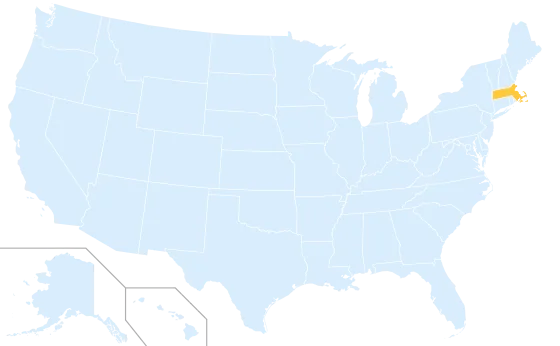
The state bird: Black-capped Chickadee
Adopted in 1941, and the right pick: it is the most reported bird in the state, it stays through the winter, and the number of dee notes in its call goes up with the danger it sees.
Recording by robinlanark, CC0, via iNaturalist.
Massachusetts fits in a morning's drive, but it runs from the Berkshire hills to sand spits that reach out into the Atlantic. The Massachusetts Avian Records Committee had 516 species on the state list as of July 2023, a big number for a small place, and the coast is why. Salt marsh, barrier beach and open ocean add gulls, terns, plovers and sea ducks to a set of inland birds that would otherwise look like any New England state.
In a yard, though, the state is chickadee, jay, robin, cardinal, Song Sparrow and dove, with titmice, nuthatches and Downy Woodpeckers at the feeder from November to March. Those are the first dozen cards, and you can have them without leaving the porch.
The Massachusetts album
These are the 100 birds people report most often in Massachusetts, ranked by how frequently they turn up. The common and uncommon ones are shown; the rare and legendary cards stay face down until you catch them in the game.
Common 25 cards
- #001
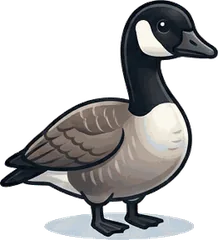 Canada Goose
Branta canadensis
Canada Goose
Branta canadensis - #004
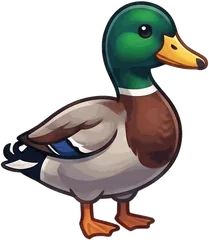 Mallard
Anas platyrhynchos
Mallard
Anas platyrhynchos - #018
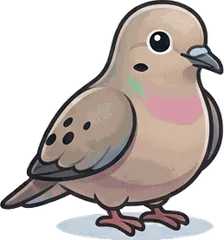 Mourning Dove
Zenaida macroura
Mourning Dove
Zenaida macroura - #028
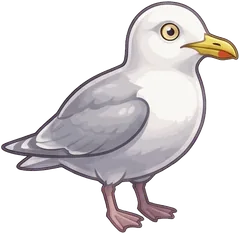 Herring Gull
Larus smithsonianus
Herring Gull
Larus smithsonianus - #039
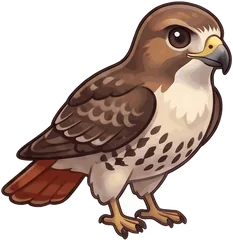 Red-tailed Hawk
Buteo jamaicensis
Red-tailed Hawk
Buteo jamaicensis - #041
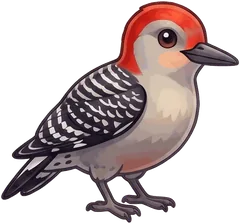 Red-bellied Woodpecker
Melanerpes carolinus
Red-bellied Woodpecker
Melanerpes carolinus - #042
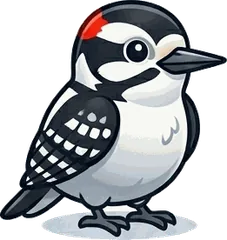 Downy Woodpecker
Dryobates pubescens
Downy Woodpecker
Dryobates pubescens - #044
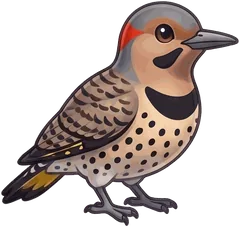 Northern Flicker
Colaptes auratus
Northern Flicker
Colaptes auratus - #051
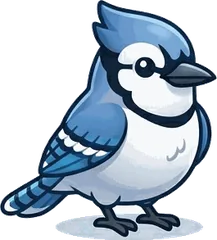 Blue Jay
Cyanocitta cristata
Blue Jay
Cyanocitta cristata - #052
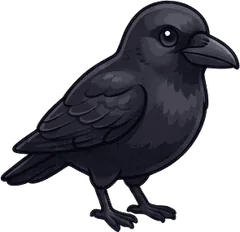 American Crow
Corvus brachyrhynchos
American Crow
Corvus brachyrhynchos - #055
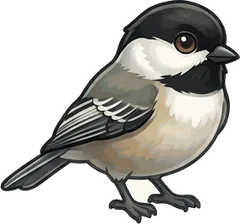 Black-capped Chickadee
Poecile atricapillus
Black-capped Chickadee
Poecile atricapillus - #056
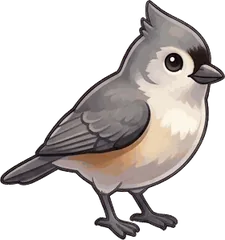 Tufted Titmouse
Baeolophus bicolor
Tufted Titmouse
Baeolophus bicolor - #060
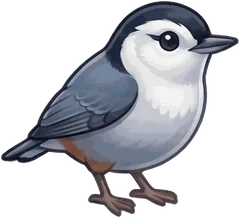 White-breasted Nuthatch
Sitta carolinensis
White-breasted Nuthatch
Sitta carolinensis - #064
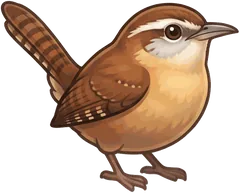 Carolina Wren
Thryothorus ludovicianus
Carolina Wren
Thryothorus ludovicianus - #065
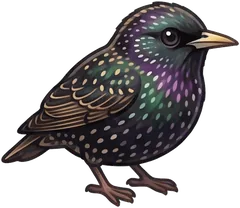 European Starling
Sturnus vulgaris
European Starling
Sturnus vulgaris - #066
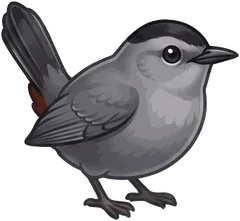 Gray Catbird
Dumetella carolinensis
Gray Catbird
Dumetella carolinensis - #071
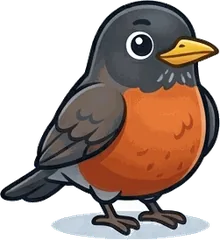 American Robin
Turdus migratorius
American Robin
Turdus migratorius - #073
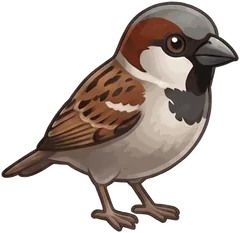 House Sparrow
Passer domesticus
House Sparrow
Passer domesticus - #074
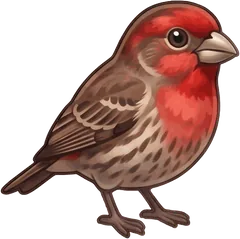 House Finch
Haemorhous mexicanus
House Finch
Haemorhous mexicanus - #075
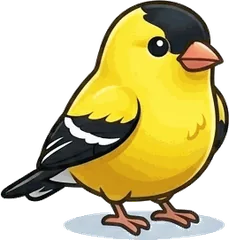 American Goldfinch
Spinus tristis
American Goldfinch
Spinus tristis - #078
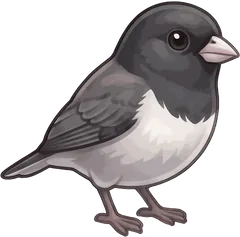 Dark-eyed Junco
Junco hyemalis
Dark-eyed Junco
Junco hyemalis - #081
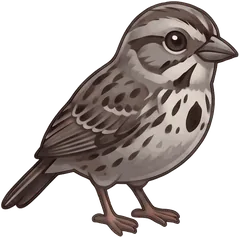 Song Sparrow
Melospiza melodia
Song Sparrow
Melospiza melodia - #085
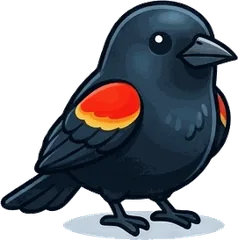 Red-winged Blackbird
Agelaius phoeniceus
Red-winged Blackbird
Agelaius phoeniceus - #087
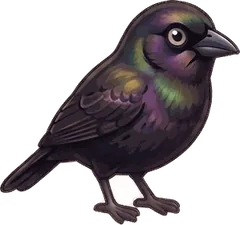 Common Grackle
Quiscalus quiscula
Common Grackle
Quiscalus quiscula - #099
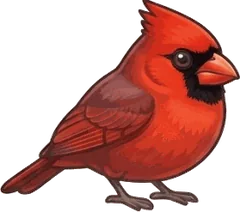 Northern Cardinal
Cardinalis cardinalis
Northern Cardinal
Cardinalis cardinalis
Uncommon 35 cards
- #002
 ?Catch it to find out
 - #003
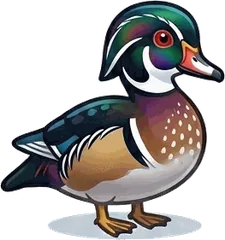 Wood Duck
Aix sponsa
Wood Duck
Aix sponsa - #005
 ?Catch it to find out
 - #008
 ?Catch it to find out
 - #011
 ?Catch it to find out
 - #017
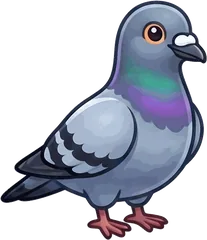 Rock Pigeon
Columba livia
Rock Pigeon
Columba livia - #019
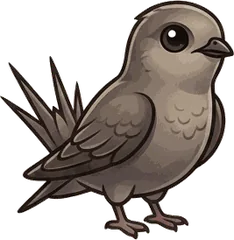 Chimney Swift
Chaetura pelagica
Chimney Swift
Chaetura pelagica - #022
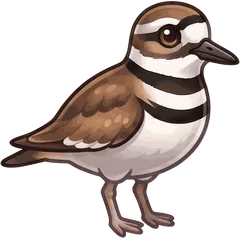 Killdeer
Charadrius vociferus
Killdeer
Charadrius vociferus - #027
 ?Catch it to find out
 - #029
 ?Catch it to find out
 - #031
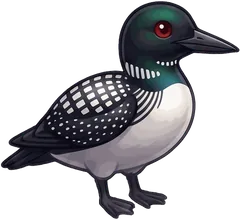 Common Loon
Gavia immer
Common Loon
Gavia immer - #033
 ?Catch it to find out
 - #034
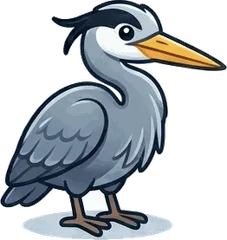 Great Blue Heron
Ardea herodias
Great Blue Heron
Ardea herodias - #035
 ?Catch it to find out
 - #036
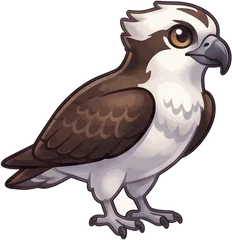 Osprey
Pandion haliaetus
Osprey
Pandion haliaetus - #040
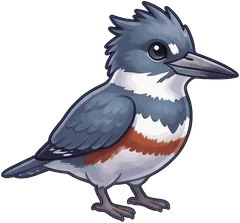 Belted Kingfisher
Megaceryle alcyon
Belted Kingfisher
Megaceryle alcyon - #046
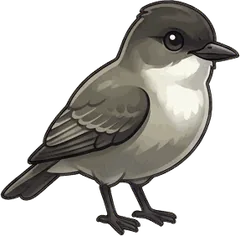 Eastern Phoebe
Sayornis phoebe
Eastern Phoebe
Sayornis phoebe - #048
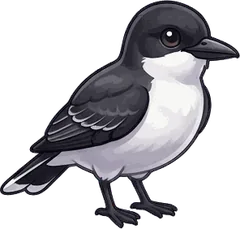 Eastern Kingbird
Tyrannus tyrannus
Eastern Kingbird
Tyrannus tyrannus - #050
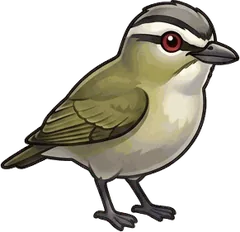 Red-eyed Vireo
Vireo olivaceus
Red-eyed Vireo
Vireo olivaceus - #057
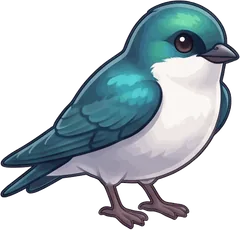 Tree Swallow
Tachycineta bicolor
Tree Swallow
Tachycineta bicolor - #058
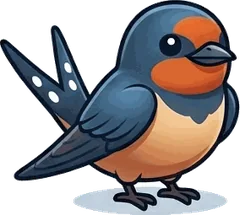 Barn Swallow
Hirundo rustica
Barn Swallow
Hirundo rustica - #061
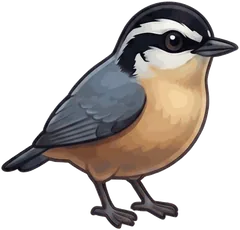 Red-breasted Nuthatch
Sitta canadensis
Red-breasted Nuthatch
Sitta canadensis - #063
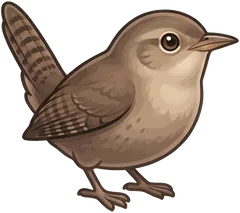 House Wren
Troglodytes aedon
House Wren
Troglodytes aedon - #067
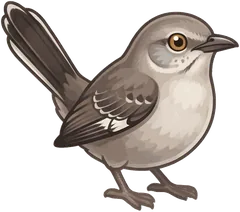 Northern Mockingbird
Mimus polyglottos
Northern Mockingbird
Mimus polyglottos - #068
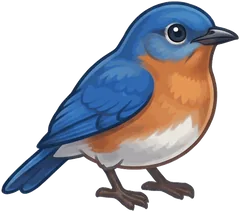 Eastern Bluebird
Sialia sialis
Eastern Bluebird
Sialia sialis - #072
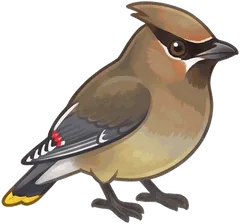 Cedar Waxwing
Bombycilla cedrorum
Cedar Waxwing
Bombycilla cedrorum - #076
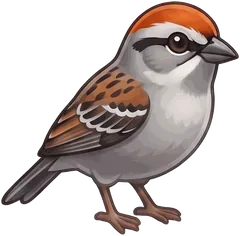 Chipping Sparrow
Spizella passerina
Chipping Sparrow
Spizella passerina - #079
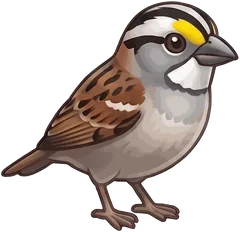 White-throated Sparrow
Zonotrichia albicollis
White-throated Sparrow
Zonotrichia albicollis - #083
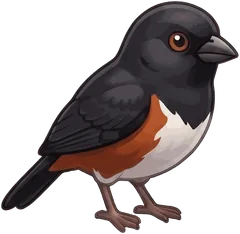 Eastern Towhee
Pipilo erythrophthalmus
Eastern Towhee
Pipilo erythrophthalmus - #084
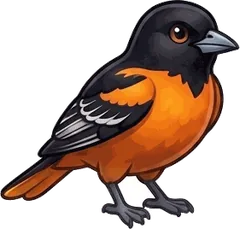 Baltimore Oriole
Icterus galbula
Baltimore Oriole
Icterus galbula - #086
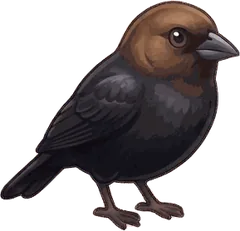 Brown-headed Cowbird
Molothrus ater
Brown-headed Cowbird
Molothrus ater - #090
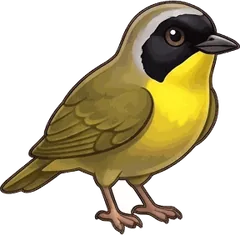 Common Yellowthroat
Geothlypis trichas
Common Yellowthroat
Geothlypis trichas - #093
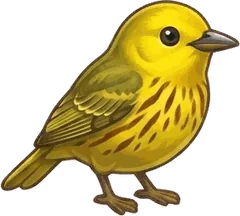 Yellow Warbler
Setophaga petechia
Yellow Warbler
Setophaga petechia - #095
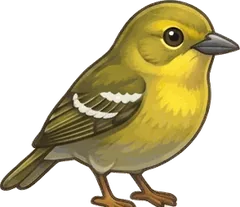 Pine Warbler
Setophaga pinus
Pine Warbler
Setophaga pinus - #096
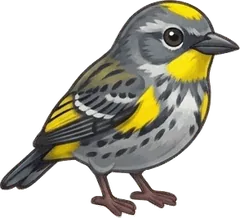 Yellow-rumped Warbler
Setophaga coronata
Yellow-rumped Warbler
Setophaga coronata
Rare 30 cards
- #006
 ?Catch it to find out
 - #010
 ?Catch it to find out
 - #012
 ?Catch it to find out
 - #013
 ?Catch it to find out
 - #014
 ?Catch it to find out
 - #015
 ?Catch it to find out
 - #016
 ?Catch it to reveal
 - #020?Catch it to reveal
- #025
 ?Catch it to find out
 - #026?Catch it to reveal
- #032
 ?Catch it to find out
 - #037
 ?Catch it to find out
 - #038?Catch it to reveal
- #043?Catch it to reveal
- #045?Catch it to reveal
- #047?Catch it to reveal
- #049?Catch it to reveal
- #053?Catch it to reveal
- #054?Catch it to reveal
- #059?Catch it to reveal
- #062?Catch it to reveal
- #069?Catch it to reveal
- #077
 ?Catch it to find out
 - #080
 ?Catch it to find out
 - #082
 ?Catch it to find out
 - #088?Catch it to reveal
- #089?Catch it to reveal
- #091?Catch it to reveal
- #092?Catch it to reveal
- #100?Catch it to reveal
Legendary 10 cards
- #007
 ?Catch it to find out
 - #009
 ?Catch it to find out
 - #021
 ?Catch it to find out
 - #023
 ?Catch it to find out
 - #024
 ?Catch it to find out
 - #030
 ?Catch it to find out
 - #070?Catch it to reveal
- #094
 ?Catch it to find out
 - #097
 ?Catch it to find out
 - #098?Catch it to reveal
 52 of the 100 cards are shown here. The other 48, including all 30 rare and 10 legendary birds, are yours to discover. Get Warble and start with the common ones.
Backyard birds you will hear first
The Black-capped Chickadee is the sound of a Massachusetts feeder: a two-note whistled fee-bee from late winter on, and the chick-a-dee-dee-dee call all year, with extra dee notes when a hawk or a cat is close. The Blue Jay is second in the album and the loudest thing in the oaks. The American Robin starts the dawn chorus from March, and the Northern Cardinal whistles from the hedge as early as February.
The Song Sparrow sings a few clear notes and then a jumble from the top of a shrub, in city lots as much as in marsh edges. The Tufted Titmouse whistles peter, peter, the White-breasted Nuthatch honks a nasal yank down a trunk, and the American Goldfinch calls as it dips overhead. The Canada Goose is the pond bird.
The regions, by ear
Boston and the inner suburbs
More trees than people expect. Mount Auburn Cemetery, 174 acres in Cambridge and Watertown with more than 5,500 trees, has recorded over 220 species since 1958 and fills with warblers in May. Parks, cemeteries and the Charles River give you the whole backyard list plus Baltimore Orioles, catbirds and Chimney Swifts.
The North Shore and the Great Marsh
Salt marsh from Cape Ann to the New Hampshire line. Parker River refuge on Plum Island, 4,662 acres set up in 1942 five miles from Newburyport, has more than 300 species on its list: shorebirds on the mudflats in August, sea ducks off the beach in winter, Piping Plovers on the sand in summer, and marsh sparrows in the grass.
Cape Cod and the Islands
Pine barrens, kettle ponds and 40 miles of open Atlantic beach inside the Cape Cod National Seashore. Terns and plovers on the outer beach, gulls everywhere, and Mass Audubon's Wellfleet Bay sanctuary, 1,183 acres of salt marsh, barrier beach and pine woods with five miles of trail, is the easy way into it.
Central hills and the Berkshires
Oak and maple giving way to hemlock and spruce as you climb. This is Wood Thrush and Hermit Thrush country in June, with Ovenbirds shouting teacher, teacher, Red-eyed Vireos going all day, and Ruffed Grouse drumming in April.
Best months to listen
Late April through early June is the peak, when the residents are on territory and the migrants pass through the city parks and the Cape woods. June mornings in the hills are thrush and warbler song from first light. August is shorebird month on the North Shore flats. September and October bring the hawks and the second wave of songbirds south along the coast. Winter is sea ducks, eiders and the odd Snowy Owl on the beaches, and chickadees, titmice and nuthatches at the feeder. The hour after sunrise carries most of the sound in any month.
Places worth the drive
- Parker River National Wildlife Refuge, Plum Island: 4,662 acres of beach, dune and salt marsh, more than 300 species, shorebirds in August and sea ducks in winter.
- Mount Auburn Cemetery, Cambridge: 174 acres of old trees and over 220 species, the city's warbler stop in May.
- Wellfleet Bay Wildlife Sanctuary, South Wellfleet: 1,183 acres of marsh, barrier beach and pine woods on the outer Cape.
- Cape Cod National Seashore: 43,607 acres and nearly 40 miles of Atlantic beach, terns, plovers and gulls.
None of it is required for the album. A feeder, a maple and a hedge give you the first 20 cards in Warble before the snow melts.
Listen before you go
Three of the common Massachusetts birds, so the first songs you hear outside already ring a bell.
Recording by Chase Harris, CC0, via iNaturalist.
Recording by Chase Harris, CC0, via iNaturalist.
Recording by Fionn Ó Marcaigh, CC BY 4.0, via iNaturalist.
Questions people ask
What is the most common bird in Massachusetts?
By the reports behind the album, the Black-capped Chickadee, then the Blue Jay, the American Robin, the Northern Cardinal, the Song Sparrow and the Mourning Dove. The chickadee is also the state bird.
What is the state bird of Massachusetts?
The Black-capped Chickadee, adopted in 1941. Maine has the same bird, and it is the provincial bird of New Brunswick.
How many bird species are there in Massachusetts?
516 species as of July 2023, according to the Massachusetts Avian Records Committee, including 194 on the review list of rare and irregular birds. The Warble album covers the 100 reported most often.
Nearby albums
Sources
- Wikipedia: List of birds of Massachusetts. en.wikipedia.org/wiki/List_of_birds_of_Massachusetts
- Wikipedia: List of U.S. state birds. en.wikipedia.org/wiki/List_of_U.S._state_birds
- Wikipedia: Parker River National Wildlife Refuge. en.wikipedia.org/wiki/Parker_River_National_Wildlife_Refuge
- Mass Audubon: Wellfleet Bay Wildlife Sanctuary. www.massaudubon.org/places-to-explore/wildlife-sanctuaries/wellfleet-bay