 Warble
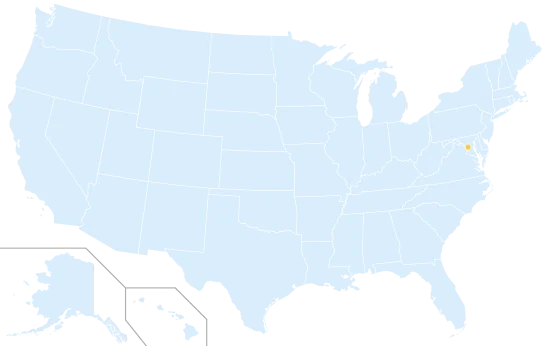
The state bird: Wood Thrush
Named the official bird of the District in 1938. A brown forest thrush that sings a fluting ee-oh-lay at dawn and dusk, and can sound two notes at once. It still nests in the wooded parks inside the city, though the species has lost about half its numbers since 1966.
Recording by Chase Harris, CC0, via iNaturalist.
The District is 68 square miles, and a surprising amount of it is trees and water. Rock Creek cuts a wooded valley from the Maryland line almost to the Potomac, the Anacostia has marsh along its eastern bank, and the two rivers meet at Hains Point. Around all that is a city of street trees, small yards and parks, which is why the everyday sound of Washington is robin, cardinal, starling, Blue Jay, House Sparrow and Carolina Wren, and why 346 species have been recorded here as of June 2021, a large list for a place this size.
It also sits on a migration route. Twice a year, in April and May and again from late August into October, warblers, vireos, thrushes and flycatchers move through the parks.
The District of Columbia album
These are the 100 birds people report most often in District of Columbia, ranked by how frequently they turn up. The common and uncommon ones are shown; the rare and legendary cards stay face down until you catch them in the game.
Common 25 cards
- #001
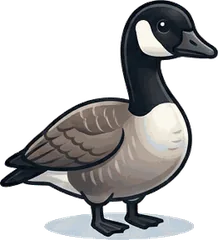 Canada Goose
Branta canadensis
Canada Goose
Branta canadensis - #003
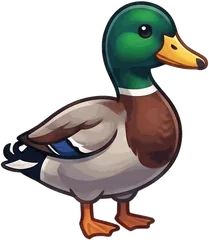 Mallard
Anas platyrhynchos
Mallard
Anas platyrhynchos - #009
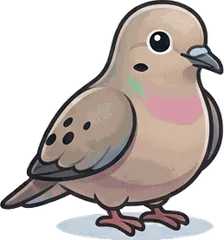 Mourning Dove
Zenaida macroura
Mourning Dove
Zenaida macroura - #010
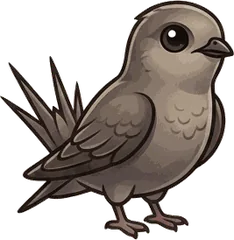 Chimney Swift
Chaetura pelagica
Chimney Swift
Chaetura pelagica - #014
 ?Catch it to find out
 - #030
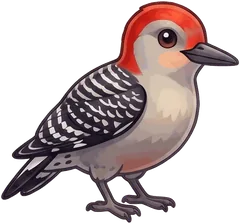 Red-bellied Woodpecker
Melanerpes carolinus
Red-bellied Woodpecker
Melanerpes carolinus - #031
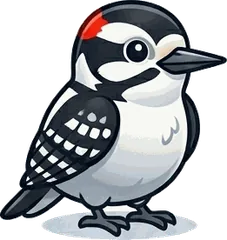 Downy Woodpecker
Dryobates pubescens
Downy Woodpecker
Dryobates pubescens - #033
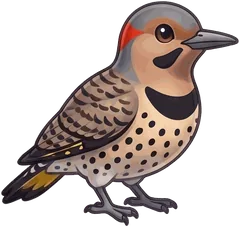 Northern Flicker
Colaptes auratus
Northern Flicker
Colaptes auratus - #042
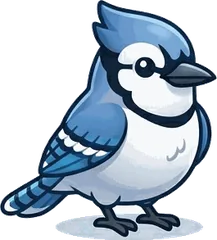 Blue Jay
Cyanocitta cristata
Blue Jay
Cyanocitta cristata - #043
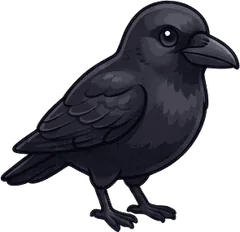 American Crow
Corvus brachyrhynchos
American Crow
Corvus brachyrhynchos - #044
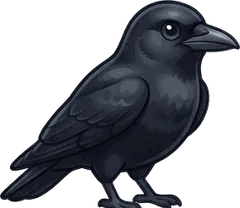 Fish Crow
Corvus ossifragus
Fish Crow
Corvus ossifragus - #045
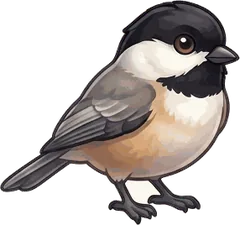 Carolina Chickadee
Poecile carolinensis
Carolina Chickadee
Poecile carolinensis - #046
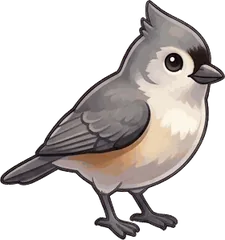 Tufted Titmouse
Baeolophus bicolor
Tufted Titmouse
Baeolophus bicolor - #051
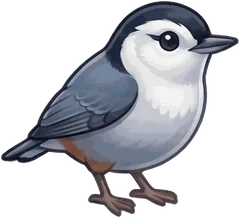 White-breasted Nuthatch
Sitta carolinensis
White-breasted Nuthatch
Sitta carolinensis - #056
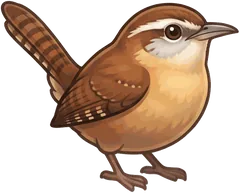 Carolina Wren
Thryothorus ludovicianus
Carolina Wren
Thryothorus ludovicianus - #057
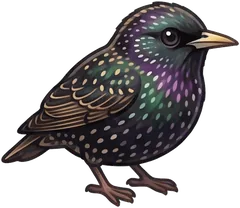 European Starling
Sturnus vulgaris
European Starling
Sturnus vulgaris - #058
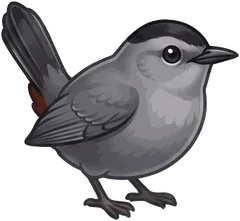 Gray Catbird
Dumetella carolinensis
Gray Catbird
Dumetella carolinensis - #060
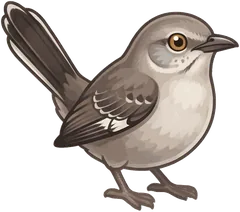 Northern Mockingbird
Mimus polyglottos
Northern Mockingbird
Mimus polyglottos - #066
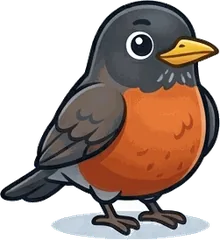 American Robin
Turdus migratorius
American Robin
Turdus migratorius - #068
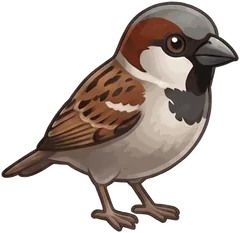 House Sparrow
Passer domesticus
House Sparrow
Passer domesticus - #070
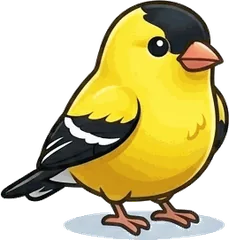 American Goldfinch
Spinus tristis
American Goldfinch
Spinus tristis - #074
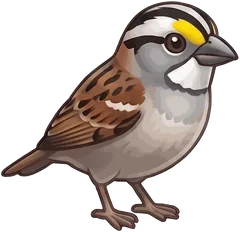 White-throated Sparrow
Zonotrichia albicollis
White-throated Sparrow
Zonotrichia albicollis - #075
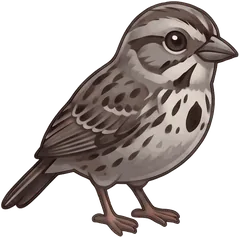 Song Sparrow
Melospiza melodia
Song Sparrow
Melospiza melodia - #082
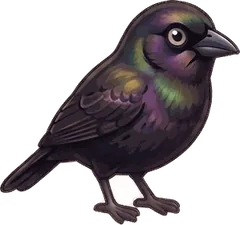 Common Grackle
Quiscalus quiscula
Common Grackle
Quiscalus quiscula - #098
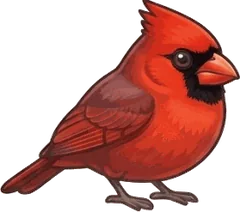 Northern Cardinal
Cardinalis cardinalis
Northern Cardinal
Cardinalis cardinalis
Uncommon 35 cards
- #002
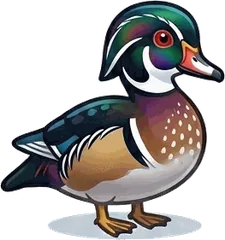 Wood Duck
Aix sponsa
Wood Duck
Aix sponsa - #008
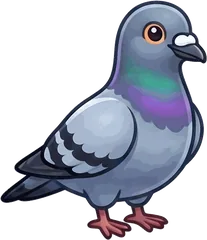 Rock Pigeon
Columba livia
Rock Pigeon
Columba livia - #015
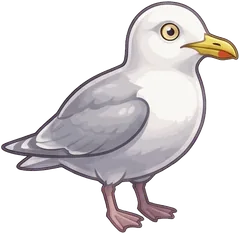 Herring Gull
Larus smithsonianus
Herring Gull
Larus smithsonianus - #021
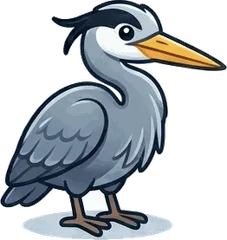 Great Blue Heron
Ardea herodias
Great Blue Heron
Ardea herodias - #022
 ?Catch it to find out
 - #023
 ?Catch it to find out
 - #024
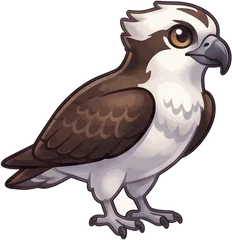 Osprey
Pandion haliaetus
Osprey
Pandion haliaetus - #025
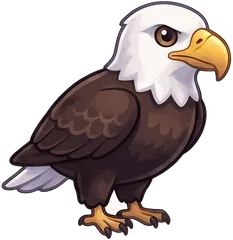 Bald Eagle
Haliaeetus leucocephalus
Bald Eagle
Haliaeetus leucocephalus - #026
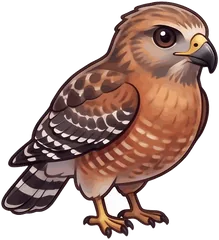 Red-shouldered Hawk
Buteo lineatus
Red-shouldered Hawk
Buteo lineatus - #027
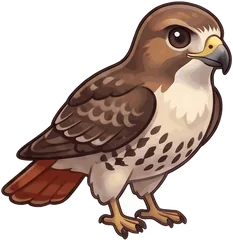 Red-tailed Hawk
Buteo jamaicensis
Red-tailed Hawk
Buteo jamaicensis - #028
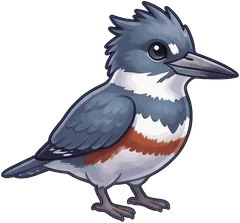 Belted Kingfisher
Megaceryle alcyon
Belted Kingfisher
Megaceryle alcyon - #032
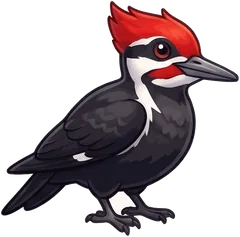 Pileated Woodpecker
Dryocopus pileatus
Pileated Woodpecker
Dryocopus pileatus - #035
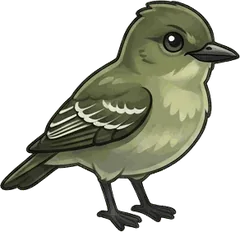 Eastern Wood-Pewee
Contopus virens
Eastern Wood-Pewee
Contopus virens - #037
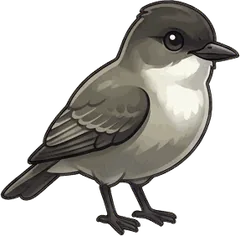 Eastern Phoebe
Sayornis phoebe
Eastern Phoebe
Sayornis phoebe - #038
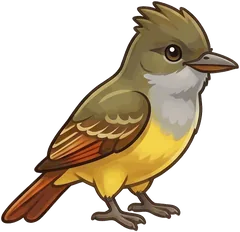 Great Crested Flycatcher
Myiarchus crinitus
Great Crested Flycatcher
Myiarchus crinitus - #039
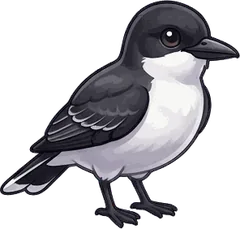 Eastern Kingbird
Tyrannus tyrannus
Eastern Kingbird
Tyrannus tyrannus - #041
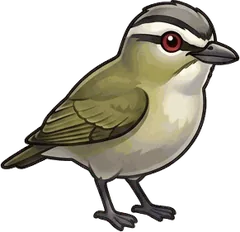 Red-eyed Vireo
Vireo olivaceus
Red-eyed Vireo
Vireo olivaceus - #049
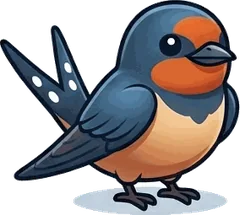 Barn Swallow
Hirundo rustica
Barn Swallow
Hirundo rustica - #053
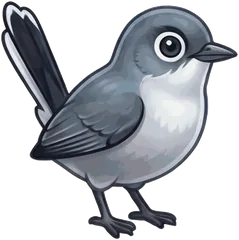 Blue-gray Gnatcatcher
Polioptila caerulea
Blue-gray Gnatcatcher
Polioptila caerulea - #054
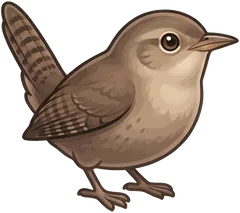 House Wren
Troglodytes aedon
House Wren
Troglodytes aedon - #061
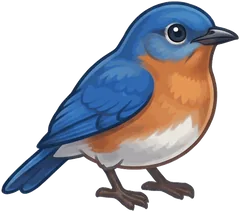 Eastern Bluebird
Sialia sialis
Eastern Bluebird
Sialia sialis - #065
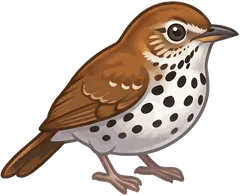 Wood Thrush
Hylocichla mustelina
Wood Thrush
Hylocichla mustelina - #067
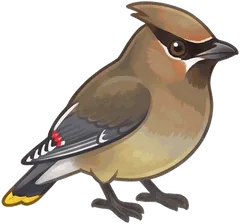 Cedar Waxwing
Bombycilla cedrorum
Cedar Waxwing
Bombycilla cedrorum - #069
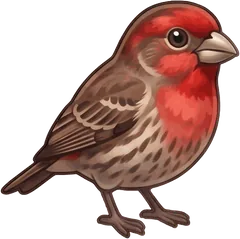 House Finch
Haemorhous mexicanus
House Finch
Haemorhous mexicanus - #071
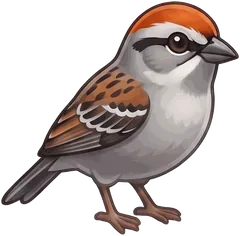 Chipping Sparrow
Spizella passerina
Chipping Sparrow
Spizella passerina - #073
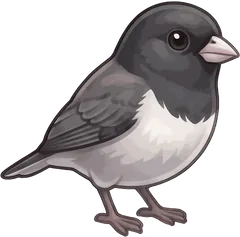 Dark-eyed Junco
Junco hyemalis
Dark-eyed Junco
Junco hyemalis - #077
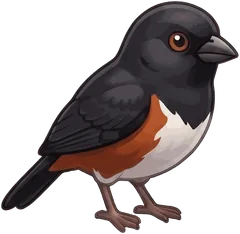 Eastern Towhee
Pipilo erythrophthalmus
Eastern Towhee
Pipilo erythrophthalmus - #080
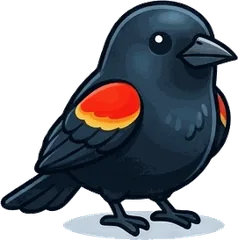 Red-winged Blackbird
Agelaius phoeniceus
Red-winged Blackbird
Agelaius phoeniceus - #081
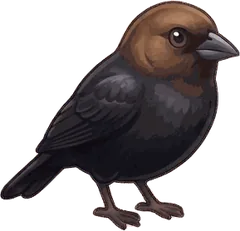 Brown-headed Cowbird
Molothrus ater
Brown-headed Cowbird
Molothrus ater - #084
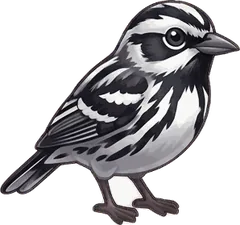 Black-and-white Warbler
Mniotilta varia
Black-and-white Warbler
Mniotilta varia - #085
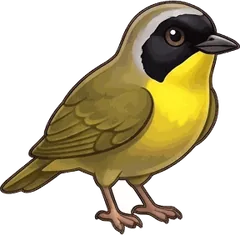 Common Yellowthroat
Geothlypis trichas
Common Yellowthroat
Geothlypis trichas - #086
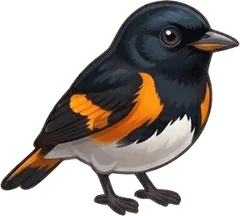 American Redstart
Setophaga ruticilla
American Redstart
Setophaga ruticilla - #088
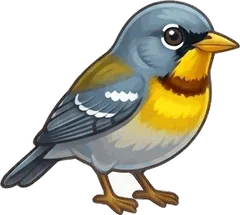 Northern Parula
Setophaga americana
Northern Parula
Setophaga americana - #095
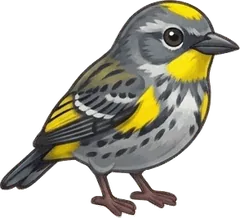 Yellow-rumped Warbler
Setophaga coronata
Yellow-rumped Warbler
Setophaga coronata - #100
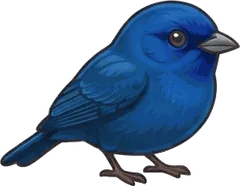 Indigo Bunting
Passerina cyanea
Indigo Bunting
Passerina cyanea
Rare 30 cards
- #005
 ?Catch it to find out
 - #006
 ?Catch it to find out
 - #011
 ?Catch it to reveal
 - #012?Catch it to reveal
- #013?Catch it to reveal
- #016
 ?Catch it to find out
 - #018
 ?Catch it to find out
 - #020
 ?Catch it to find out
 - #029?Catch it to reveal
- #036
 ?Catch it to find out
 - #047?Catch it to reveal
- #048
 ?Catch it to find out
 - #050?Catch it to reveal
- #059?Catch it to reveal
- #063?Catch it to reveal
- #064?Catch it to reveal
- #072?Catch it to reveal
- #076
 ?Catch it to find out
 - #078
 ?Catch it to find out
 - #079?Catch it to reveal
- #083?Catch it to reveal
- #089
 ?Catch it to find out
 - #090?Catch it to reveal
- #091
 ?Catch it to find out
 - #092
 ?Catch it to find out
 - #093
 ?Catch it to find out
 - #094
 ?Catch it to find out
 - #096
 ?Catch it to find out
 - #097?Catch it to reveal
- #099?Catch it to reveal
Legendary 10 cards
- #004
 ?Catch it to find out
 - #007
 ?Catch it to find out
 - #017
 ?Catch it to find out
 - #019
 ?Catch it to find out
 - #034
 ?Catch it to find out
 - #040?Catch it to reveal
- #052?Catch it to reveal
- #055
 ?Catch it to find out
 - #062?Catch it to reveal
- #087
 ?Catch it to find out
 57 of the 100 cards are shown here. The other 43, including all 30 rare and 10 legendary birds, are yours to discover. Get Warble and start with the common ones.
Backyard birds you will hear first
The American Robin leads the album and the dawn chorus, a run of rising and falling phrases from the street trees before the traffic starts. The Northern Cardinal whistles cheer, cheer from a fence, the Carolina Wren shouts teakettle from under a porch, and the Mourning Dove coos from a wire. Add the House Sparrow's chirping in every hedge, the starling's whistles and clicks on a chimney, and a Blue Jay yelling jay from the oaks.
Along the rivers, the Mallard is the most reported waterbird, Canada Geese graze the lawns at Hains Point and Kenilworth, and a Great Blue Heron croaks when you flush it from a creek edge. The Northern Mockingbird sings from parking lot lights and the Fish Crow's nasal uh-uh replaces the American Crow's caw as you get closer to the water.
The regions, by ear
Rock Creek Park
Mature oak and beech forest along the creek, and the closest thing DC has to real woods. More than 150 species have been recorded in the park, some year-round, most passing through on migration. This is where the Wood Thrush sings in May and June, with the Eastern Wood-Pewee giving its slow pee-a-wee all afternoon, Red-eyed Vireos talking to themselves in the canopy, and Pileated and Red-bellied Woodpeckers working the trunks. Warblers and vireos feed in the treetops on migration, and nuthatches and Brown Creepers work the bark in winter.
The Anacostia and Kenilworth
Kenilworth Park and Aquatic Gardens is the only urban wetland in the capital, and it often records the highest species counts in the District, over 250 in all. Red-winged Blackbirds sing conk-la-ree from the cattails, Belted Kingfishers rattle over the ponds, Great Blue Herons and Canada Geese stay all year, and Great Egrets and Green Herons arrive for the warm months. The park runs a guided bird walk on Tuesday mornings.
The Potomac and the Mall
Open water and lawn. Gulls loaf on the Tidal Basin, Ospreys whistle over the river in summer, and Chimney Swifts chitter over the Mall on summer evenings.
Best months to listen
Spring migration runs from March through June at Kenilworth, and the peak in the woods is late April into the middle of May, when residents and migrants sing at once and the Wood Thrush is back. Fall migration is long and quieter, August through November, with chip notes instead of songs. Summer mornings are busy until the humidity takes over, and the wetlands stay loud with herons and blackbirds. Winter brings White-throated Sparrows and juncos to the yards, and ducks to the rivers. Whatever the month, be out in the first hour after sunrise.
Places worth the drive
- Rock Creek Park, Northwest: more than 150 species in oak forest along the creek, Wood Thrush in May and June, warblers on migration.
- Kenilworth Park and Aquatic Gardens, Northeast: over 250 species in the District's only urban wetland, with a Tuesday morning bird walk.
- Hains Point, East Potomac Park: geese, gulls and ducks where the rivers meet, best in winter.
None of them is required. A Capitol Hill backyard with a feeder and a street tree hands you the first 25 cards of the Warble album by May.
Listen before you go
Three of the common District of Columbia birds, so the first songs you hear outside already ring a bell.
Recording by Chase Harris, CC0, via iNaturalist.
Recording by Chase Harris, CC0, via iNaturalist.
Recording by Fionn Ó Marcaigh, CC BY 4.0, via iNaturalist.
Questions people ask
What is the most common bird in Washington, DC?
By the reports behind the album, the American Robin, followed by the Northern Cardinal, the European Starling, the Blue Jay, the House Sparrow and the Carolina Wren.
What is the official bird of Washington, DC?
The Wood Thrush, designated in 1938. It is a forest thrush with a flute-like song, still found in Rock Creek Park and other wooded parts of the District in late spring and summer.
How many bird species have been recorded in Washington, DC?
346 species as of June 2021, according to the Avibase checklist. 63 of those are rare or accidental. The Warble album covers the 100 reported most often.
Nearby albums
Sources
- Wikipedia: List of birds of Washington, D.C.. en.wikipedia.org/wiki/List_of_birds_of_Washington,_D.C.
- National Park Service: Birds of Rock Creek Park. www.nps.gov/rocr/learn/nature/birds.htm
- National Park Service: Birds of Kenilworth Park and Aquatic Gardens. www.nps.gov/keaq/learn/nature/birds.htm
- Wikipedia: List of U.S. state birds. en.wikipedia.org/wiki/List_of_U.S._state_birds