 Warble
The state bird: Mountain Bluebird
Adopted in 1931. A sky-blue bird of open sagebrush and mountain meadows that comes back to Idaho in late February or early March, with a thin few call and a soft, low warbled song given mostly at dawn.
Recording by Kalvin Chan, CC0, via iNaturalist.
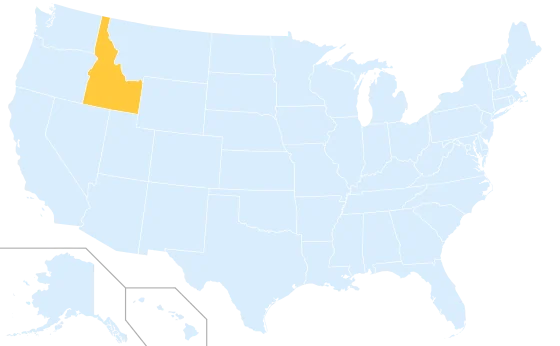
Idaho is long and lopsided. The south is the Snake River Plain, a curve of irrigated farmland, sagebrush and lava rock where most people live, from Boise east to Idaho Falls. The middle is a wall of mountains and wilderness, with conifer forest, alpine meadow and rivers that are still cold in July. The Panhandle in the north is wet forest and big lakes that sound more like Washington than like the desert. The Idaho Bird Records Committee had documented 433 species as of January 2022, and 180 of those are rare enough somewhere in the state to require a written report.
Most people, though, hear the valley birds: robins in the cottonwoods, magpies chattering from the fence, flickers on the roof, and geese and mallards on any irrigation pond.
The Idaho album
These are the 100 birds people report most often in Idaho, ranked by how frequently they turn up. The common and uncommon ones are shown; the rare and legendary cards stay face down until you catch them in the game.
Common 25 cards
- #001
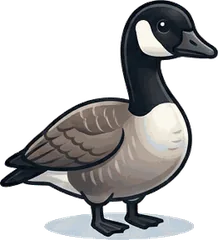 Canada Goose
Branta canadensis
Canada Goose
Branta canadensis - #007
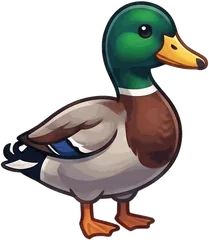 Mallard
Anas platyrhynchos
Mallard
Anas platyrhynchos - #018
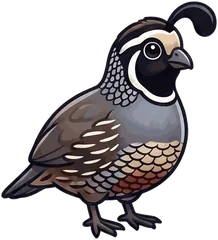 California Quail
Callipepla californica
California Quail
Callipepla californica - #022
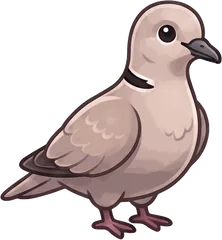 Eurasian Collared-Dove
Streptopelia decaocto
Eurasian Collared-Dove
Streptopelia decaocto - #023
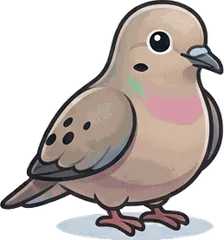 Mourning Dove
Zenaida macroura
Mourning Dove
Zenaida macroura - #027
 ?Catch it to find out
 - #028
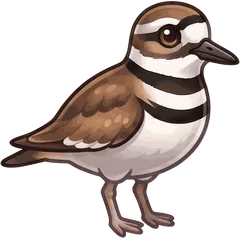 Killdeer
Charadrius vociferus
Killdeer
Charadrius vociferus - #034
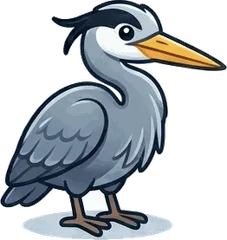 Great Blue Heron
Ardea herodias
Great Blue Heron
Ardea herodias - #042
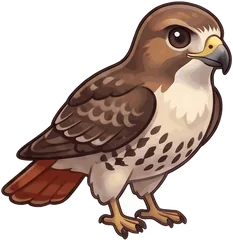 Red-tailed Hawk
Buteo jamaicensis
Red-tailed Hawk
Buteo jamaicensis - #046
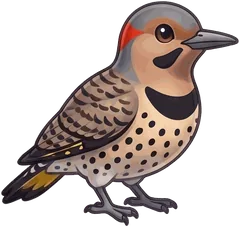 Northern Flicker
Colaptes auratus
Northern Flicker
Colaptes auratus - #047
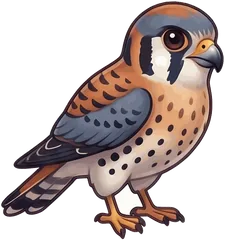 American Kestrel
Falco sparverius
American Kestrel
Falco sparverius - #055
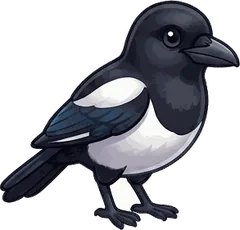 Black-billed Magpie
Pica hudsonia
Black-billed Magpie
Pica hudsonia - #056
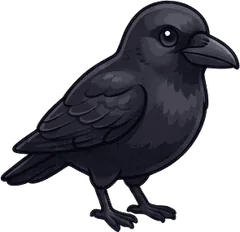 American Crow
Corvus brachyrhynchos
American Crow
Corvus brachyrhynchos - #057
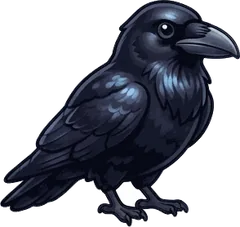 Common Raven
Corvus corax
Common Raven
Corvus corax - #058
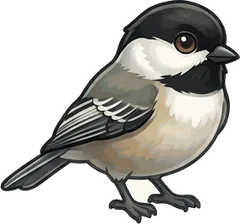 Black-capped Chickadee
Poecile atricapillus
Black-capped Chickadee
Poecile atricapillus - #067
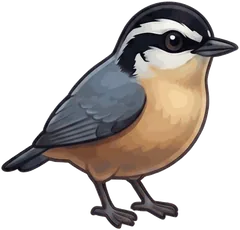 Red-breasted Nuthatch
Sitta canadensis
Red-breasted Nuthatch
Sitta canadensis - #070
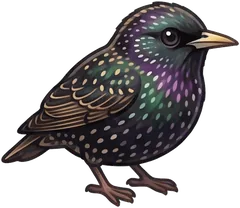 European Starling
Sturnus vulgaris
European Starling
Sturnus vulgaris - #073
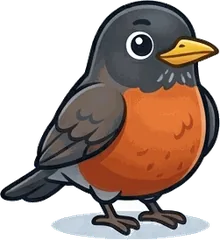 American Robin
Turdus migratorius
American Robin
Turdus migratorius - #075
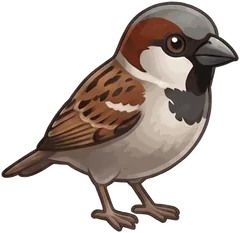 House Sparrow
Passer domesticus
House Sparrow
Passer domesticus - #076
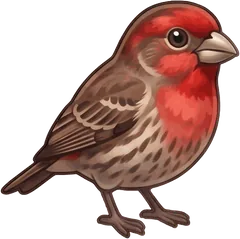 House Finch
Haemorhous mexicanus
House Finch
Haemorhous mexicanus - #081
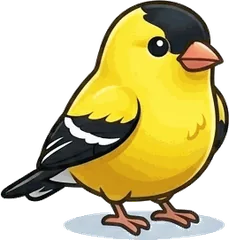 American Goldfinch
Spinus tristis
American Goldfinch
Spinus tristis - #083
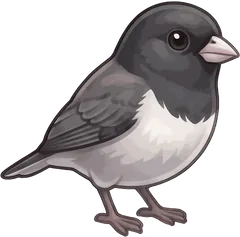 Dark-eyed Junco
Junco hyemalis
Dark-eyed Junco
Junco hyemalis - #086
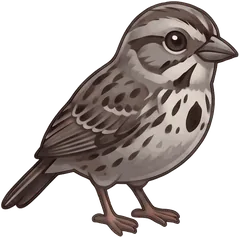 Song Sparrow
Melospiza melodia
Song Sparrow
Melospiza melodia - #091
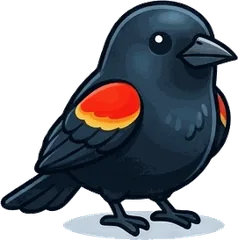 Red-winged Blackbird
Agelaius phoeniceus
Red-winged Blackbird
Agelaius phoeniceus - #097
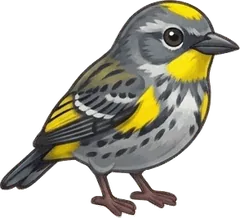 Yellow-rumped Warbler
Setophaga coronata
Yellow-rumped Warbler
Setophaga coronata
Uncommon 35 cards
- #002
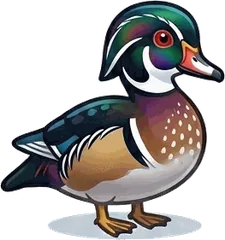 Wood Duck
Aix sponsa
Wood Duck
Aix sponsa - #004
 ?Catch it to find out
 - #005
 ?Catch it to find out
 - #006
 ?Catch it to find out
 - #011
 ?Catch it to find out
 - #013
 ?Catch it to find out
 - #014
 ?Catch it to find out
 - #016
 ?Catch it to find out
 - #021
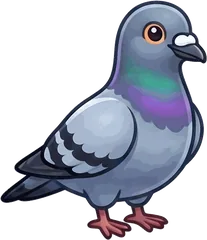 Rock Pigeon
Columba livia
Rock Pigeon
Columba livia - #024
 ?Catch it to find out
 - #030
 ?Catch it to find out
 - #036
 ?Catch it to find out
 - #037
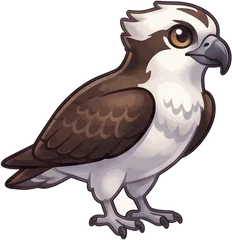 Osprey
Pandion haliaetus
Osprey
Pandion haliaetus - #039
 ?Catch it to find out
 - #040
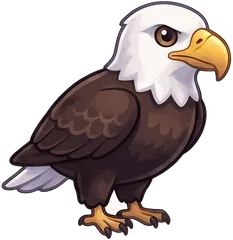 Bald Eagle
Haliaeetus leucocephalus
Bald Eagle
Haliaeetus leucocephalus - #041
 ?Catch it to find out
 - #044
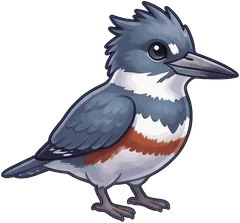 Belted Kingfisher
Megaceryle alcyon
Belted Kingfisher
Megaceryle alcyon - #045
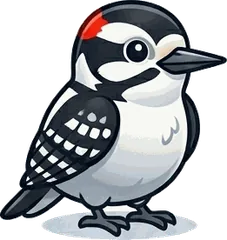 Downy Woodpecker
Dryobates pubescens
Downy Woodpecker
Dryobates pubescens - #051
 ?Catch it to find out
 - #059
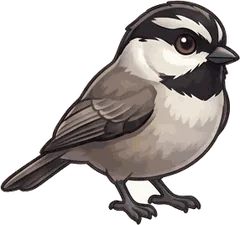 Mountain Chickadee
Poecile gambeli
Mountain Chickadee
Poecile gambeli - #061
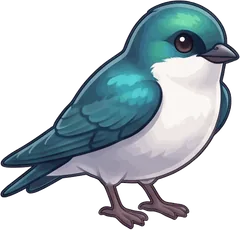 Tree Swallow
Tachycineta bicolor
Tree Swallow
Tachycineta bicolor - #062
 ?Catch it to find out
 - #064
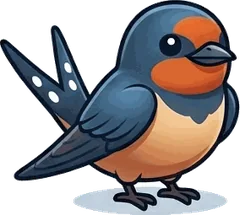 Barn Swallow
Hirundo rustica
Barn Swallow
Hirundo rustica - #068
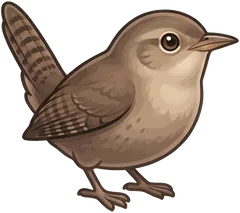 House Wren
Troglodytes aedon
House Wren
Troglodytes aedon - #074
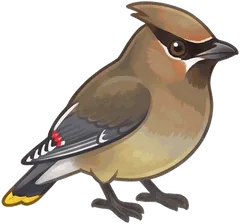 Cedar Waxwing
Bombycilla cedrorum
Cedar Waxwing
Bombycilla cedrorum - #079
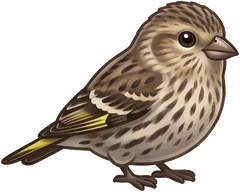 Pine Siskin
Spinus pinus
Pine Siskin
Spinus pinus - #080
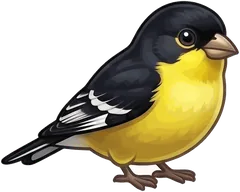 Lesser Goldfinch
Spinus psaltria
Lesser Goldfinch
Spinus psaltria - #082
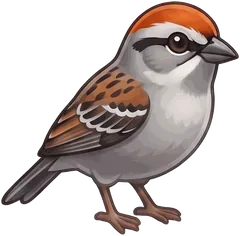 Chipping Sparrow
Spizella passerina
Chipping Sparrow
Spizella passerina - #084
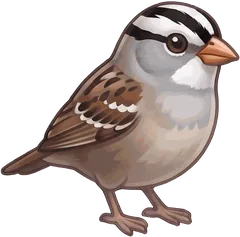 White-crowned Sparrow
Zonotrichia leucophrys
White-crowned Sparrow
Zonotrichia leucophrys - #087
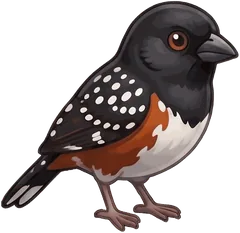 Spotted Towhee
Pipilo maculatus
Spotted Towhee
Pipilo maculatus - #089
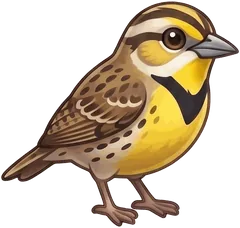 Western Meadowlark
Sturnella neglecta
Western Meadowlark
Sturnella neglecta - #092
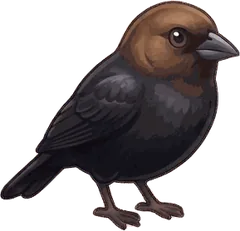 Brown-headed Cowbird
Molothrus ater
Brown-headed Cowbird
Molothrus ater - #093
 ?Catch it to find out
 - #096
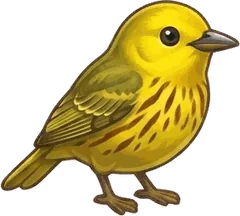 Yellow Warbler
Setophaga petechia
Yellow Warbler
Setophaga petechia - #098
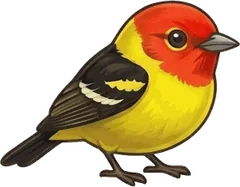 Western Tanager
Piranga ludoviciana
Western Tanager
Piranga ludoviciana
Rare 30 cards
- #003
 ?Catch it to find out
 - #008
 ?Catch it to find out
 - #009
 ?Catch it to find out
 - #012
 ?Catch it to find out
 - #015
 ?Catch it to find out
 - #017
 ?Catch it to find out
 - #019
 ?Catch it to reveal
 - #020?Catch it to reveal
- #029
 ?Catch it to find out
 - #031?Catch it to reveal
- #032
 ?Catch it to find out
 - #033
 ?Catch it to find out
 - #035
 ?Catch it to find out
 - #038
 ?Catch it to find out
 - #043?Catch it to reveal
- #048
 ?Catch it to find out
 - #050
 ?Catch it to find out
 - #053?Catch it to reveal
- #054?Catch it to reveal
- #060
 ?Catch it to find out
 - #063
 ?Catch it to find out
 - #065
 ?Catch it to find out
 - #066?Catch it to reveal
- #071?Catch it to reveal
- #077
 ?Catch it to find out
 - #085
 ?Catch it to find out
 - #088
 ?Catch it to find out
 - #090
 ?Catch it to find out
 - #099?Catch it to reveal
- #100
 ?Catch it to find out
Legendary 10 cards
- #010
 ?Catch it to find out
 - #025
 ?Catch it to find out
 - #026
 ?Catch it to find out
 - #049
 ?Catch it to find out
 - #052?Catch it to reveal
- #069?Catch it to reveal
- #072
 ?Catch it to find out
 - #078
 ?Catch it to find out
 - #094
 ?Catch it to find out
 - #095
 ?Catch it to find out
 44 of the 100 cards are shown here. The other 56, including all 30 rare and 10 legendary birds, are yours to discover. Get Warble and start with the common ones.
Backyard birds you will hear first
The American Robin leads the album and starts the day, singing from the cottonwoods before the light comes. The Black-billed Magpie is second, and it is the sound of an Idaho yard: harsh chatter, a rising mag, mag, mag. The Northern Flicker, red-shafted out here, laughs a long wick-wick-wick and drums on the metal vent in spring, and the House Finch sings a long, cheerful jumble from the wires.
On the water, the Mallard and the Canada Goose are the third and fourth most reported birds in the state. The Song Sparrow sings from the ditch bank, the Red-winged Blackbird from the cattails, and the Red-tailed Hawk screams over the fields. In winter, Dark-eyed Juncos and Black-capped Chickadees take over the feeders.
The regions, by ear
The Treasure Valley and the Snake River
Farmland, river and reservoir around Boise. Deer Flat refuge wraps a lake of nearly 9,000 acres at Nampa, with huge flocks of mallards and Canada Geese in fall and winter, one of the state's three biggest nesting colonies of Western and Clark's Grebes, and Bald Eagles along the shore. South of Boise, the Snake River Birds of Prey area covers 484,873 acres of canyon and sage along 81 miles of river, where more than 700 pairs of raptors of 15 species nest in the cliffs, one of the densest concentrations anywhere, including about 110 pairs of Prairie Falcons.
The sagebrush and the eastern plain
Open country from Mountain Home to the Wyoming line. The Western Meadowlark whistles from the fence posts, the Mountain Bluebird hunts from the sage tops, and Greater Sage-Grouse display on their leks at dawn in spring. Camas refuge, about 11,000 acres of wetland and high desert near Interstate 15 north of Idaho Falls, sits with the Tetons on one horizon and the Lemhi Range on the other, and fills with migrating ducks, geese and cranes.
The mountains
Ponderosa pine, then fir and spruce, then meadow and rock. Mountain Chickadees whistle a hoarse fee-bee-bee, Western Tanagers sing a burry robin-like song from the firs, American Dippers sing over the creeks, and the Common Raven croaks over all of it. In the wet forests of the Panhandle, Varied Thrushes add their long, eerie single whistles.
Best months to listen
Spring climbs the state by elevation. The valleys are singing in March and April, when bluebirds and meadowlarks are back and the geese are pairing off; the sage is loudest in April and May; the high country waits until June and stays busy through July. Early morning is best everywhere.
Fall is ducks and cranes on the refuges, September through November. Winter belongs to the raptors along the Snake, the eagles at Deer Flat, and the juncos and chickadees at the feeder.
Places worth the drive
- Deer Flat National Wildlife Refuge, Nampa: mallards and geese by the thousand in winter, grebes in summer, eagles all year.
- Morley Nelson Snake River Birds of Prey National Conservation Area, south of Boise: nesting Prairie Falcons, Golden Eagles and hawks in the canyon, spring is the season.
- Camas National Wildlife Refuge, north of Idaho Falls: ducks, geese and cranes on high desert wetlands with the Tetons behind them.
- Minidoka National Wildlife Refuge, near Rupert: 80 miles of shoreline on Lake Walcott, with nesting American White Pelicans.
None of them is required. A Boise yard with a cottonwood and a feeder hands you the first 25 cards of the Warble album by April.
Listen before you go
Three of the common Idaho birds, so the first songs you hear outside already ring a bell.
Recording by Chase Harris, CC0, via iNaturalist.
Recording by Chase Harris, CC0, via iNaturalist.
Recording by Fionn Ó Marcaigh, CC BY 4.0, via iNaturalist.
Questions people ask
What is the most common bird in Idaho?
By the reports behind the album, the American Robin, followed by the Black-billed Magpie, the Mallard, the Canada Goose, the Northern Flicker and the European Starling.
What is the state bird of Idaho?
The Mountain Bluebird, adopted in 1931. Idaho also named the Peregrine Falcon its state raptor in 2004. The bluebird returns to the state in late February or early March and nests in open country and mountain meadows.
How many bird species are there in Idaho?
433 species as of January 2022, according to the Idaho Bird Records Committee. The Warble album covers the 100 reported most often.
Nearby albums
Sources
- Wikipedia: List of birds of Idaho. en.wikipedia.org/wiki/List_of_birds_of_Idaho
- U.S. Fish and Wildlife Service: Deer Flat National Wildlife Refuge. www.fws.gov/refuge/deer-flat
- Wikipedia: Morley Nelson Snake River Birds of Prey National Conservation Area. en.wikipedia.org/wiki/Morley_Nelson_Snake_River_Birds_of_Prey_National_Conservation_Area
- Wikipedia: List of Idaho state symbols. en.wikipedia.org/wiki/List_of_Idaho_state_symbols