 Warble
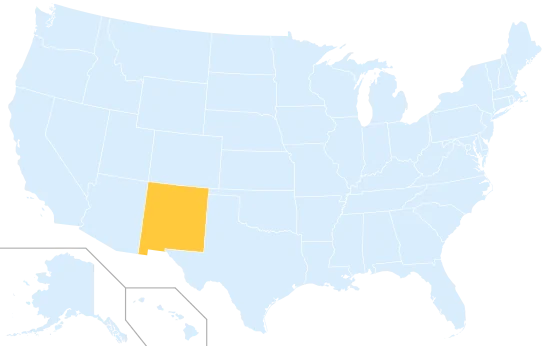
The state bird: Greater Roadrunner
Adopted in 1949. A ground cuckoo of open scrub that runs at 18 to 20 miles an hour and sings a slow, descending series of about six low coos from a high perch at dawn.
Recording by Michael A. Thaibinh, CC BY 4.0, via iNaturalist.
The New Mexico Bird Records Committee had 552 species on the state list as of August 2022, and the reason is elevation. The state runs from Chihuahuan Desert in the south to spruce and fir above 10,000 feet in the north, and the Rio Grande cuts a green ribbon of cottonwoods down the dry middle that every migrating bird follows.
Most New Mexicans live along that river, in Albuquerque, Las Cruces and Santa Fe, and the everyday album is a desert-city one: House Finches on the rooftops, doves on the wires, ravens on the streetlights, and a towhee scratching under the juniper.
The New Mexico album
These are the 100 birds people report most often in New Mexico, ranked by how frequently they turn up. The common and uncommon ones are shown; the rare and legendary cards stay face down until you catch them in the game.
Common 25 cards
- #001
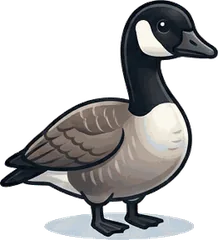 Canada Goose
Branta canadensis
Canada Goose
Branta canadensis - #007
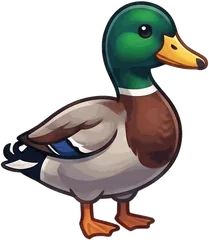 Mallard
Anas platyrhynchos
Mallard
Anas platyrhynchos - #015
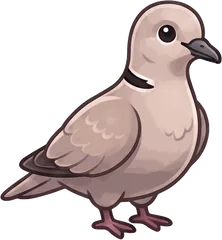 Eurasian Collared-Dove
Streptopelia decaocto
Eurasian Collared-Dove
Streptopelia decaocto - #016
 ?Catch it to find out
 - #017
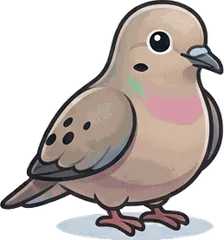 Mourning Dove
Zenaida macroura
Mourning Dove
Zenaida macroura - #019
 ?Catch it to find out
 - #027
 ?Catch it to find out
 - #030
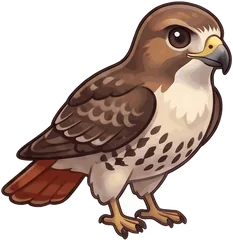 Red-tailed Hawk
Buteo jamaicensis
Red-tailed Hawk
Buteo jamaicensis - #034
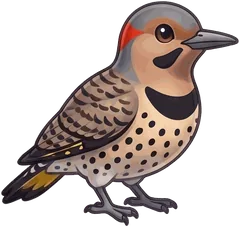 Northern Flicker
Colaptes auratus
Northern Flicker
Colaptes auratus - #038
 ?Catch it to find out
 - #046
 ?Catch it to find out
 - #048
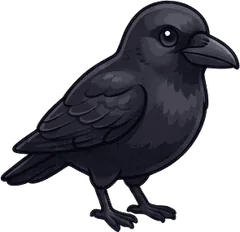 American Crow
Corvus brachyrhynchos
American Crow
Corvus brachyrhynchos - #050
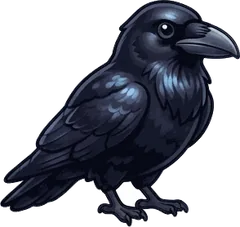 Common Raven
Corvus corax
Common Raven
Corvus corax - #060
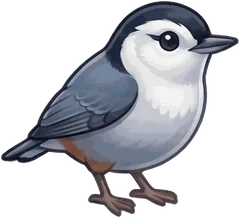 White-breasted Nuthatch
Sitta carolinensis
White-breasted Nuthatch
Sitta carolinensis - #068
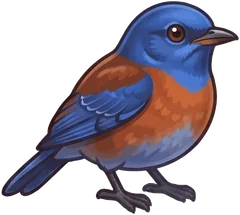 Western Bluebird
Sialia mexicana
Western Bluebird
Sialia mexicana - #072
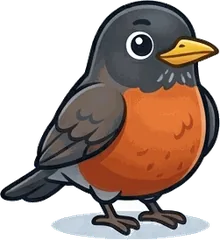 American Robin
Turdus migratorius
American Robin
Turdus migratorius - #073
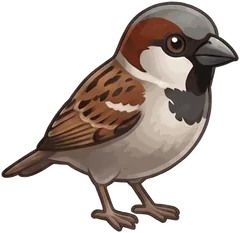 House Sparrow
Passer domesticus
House Sparrow
Passer domesticus - #074
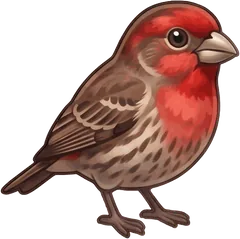 House Finch
Haemorhous mexicanus
House Finch
Haemorhous mexicanus - #076
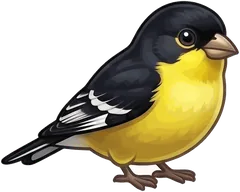 Lesser Goldfinch
Spinus psaltria
Lesser Goldfinch
Spinus psaltria - #078
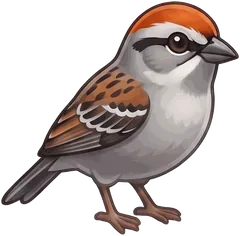 Chipping Sparrow
Spizella passerina
Chipping Sparrow
Spizella passerina - #081
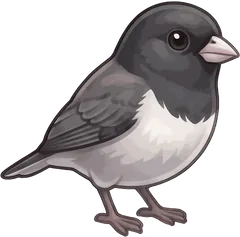 Dark-eyed Junco
Junco hyemalis
Dark-eyed Junco
Junco hyemalis - #082
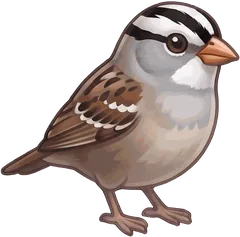 White-crowned Sparrow
Zonotrichia leucophrys
White-crowned Sparrow
Zonotrichia leucophrys - #087
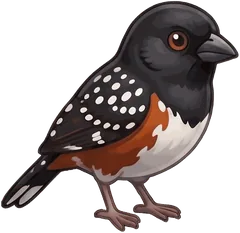 Spotted Towhee
Pipilo maculatus
Spotted Towhee
Pipilo maculatus - #091
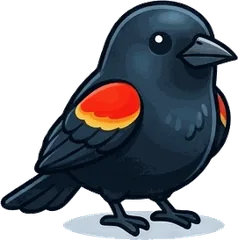 Red-winged Blackbird
Agelaius phoeniceus
Red-winged Blackbird
Agelaius phoeniceus - #095
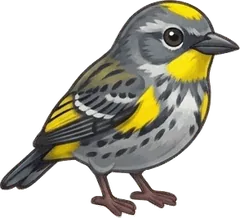 Yellow-rumped Warbler
Setophaga coronata
Yellow-rumped Warbler
Setophaga coronata
Uncommon 35 cards
- #004
 ?Catch it to find out
 - #005
 ?Catch it to find out
 - #006
 ?Catch it to find out
 - #013
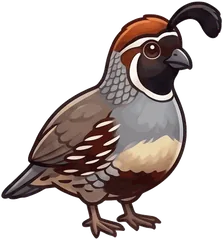 Gambel's Quail
Callipepla gambelii
Gambel's Quail
Callipepla gambelii - #014
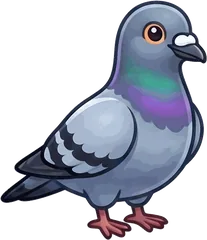 Rock Pigeon
Columba livia
Rock Pigeon
Columba livia - #018
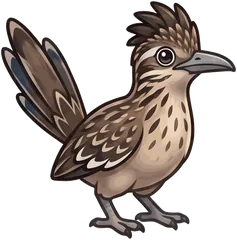 Greater Roadrunner
Geococcyx californianus
Greater Roadrunner
Geococcyx californianus - #021
 ?Catch it to find out
 - #022
 ?Catch it to find out
 - #023
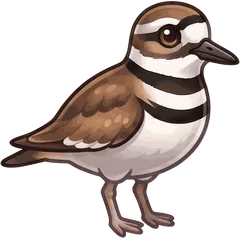 Killdeer
Charadrius vociferus
Killdeer
Charadrius vociferus - #026
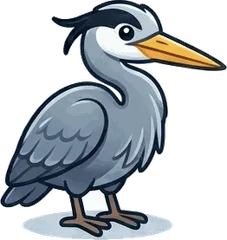 Great Blue Heron
Ardea herodias
Great Blue Heron
Ardea herodias - #028
 ?Catch it to find out
 - #033
 ?Catch it to find out
 - #035
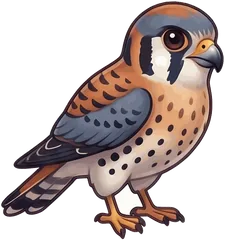 American Kestrel
Falco sparverius
American Kestrel
Falco sparverius - #036
 ?Catch it to find out
 - #037
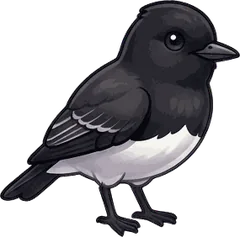 Black Phoebe
Sayornis nigricans
Black Phoebe
Sayornis nigricans - #039
 ?Catch it to find out
 - #041
 ?Catch it to find out
 - #045
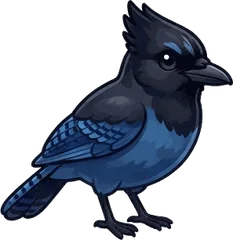 Steller's Jay
Cyanocitta stelleri
Steller's Jay
Cyanocitta stelleri - #052
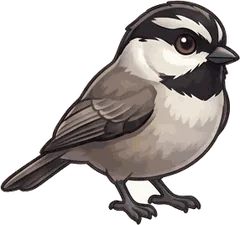 Mountain Chickadee
Poecile gambeli
Mountain Chickadee
Poecile gambeli - #053
 ?Catch it to find out
 - #055
 ?Catch it to find out
 - #057
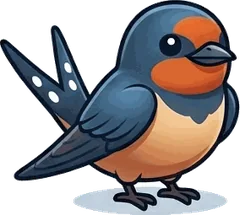 Barn Swallow
Hirundo rustica
Barn Swallow
Hirundo rustica - #059
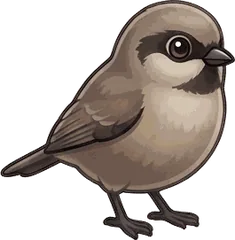 Bushtit
Psaltriparus minimus
Bushtit
Psaltriparus minimus - #064
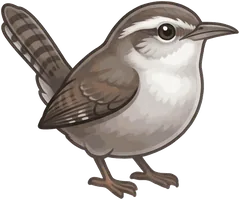 Bewick's Wren
Thryomanes bewickii
Bewick's Wren
Thryomanes bewickii - #065
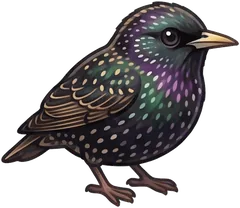 European Starling
Sturnus vulgaris
European Starling
Sturnus vulgaris - #066
 ?Catch it to find out
 - #067
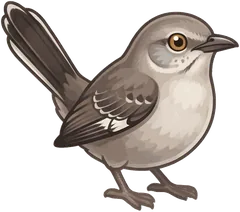 Northern Mockingbird
Mimus polyglottos
Northern Mockingbird
Mimus polyglottos - #075
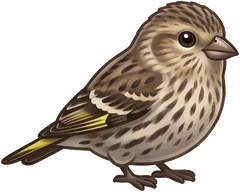 Pine Siskin
Spinus pinus
Pine Siskin
Spinus pinus - #083
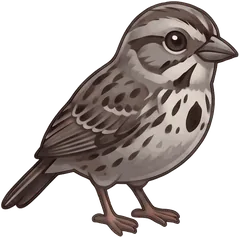 Song Sparrow
Melospiza melodia
Song Sparrow
Melospiza melodia - #085
 ?Catch it to find out
 - #089
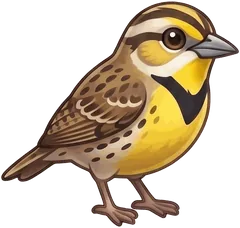 Western Meadowlark
Sturnella neglecta
Western Meadowlark
Sturnella neglecta - #093
 ?Catch it to find out
 - #098
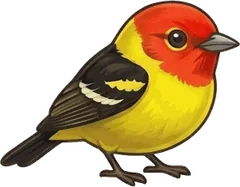 Western Tanager
Piranga ludoviciana
Western Tanager
Piranga ludoviciana - #099
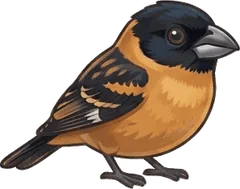 Black-headed Grosbeak
Pheucticus melanocephalus
Black-headed Grosbeak
Pheucticus melanocephalus - #100
 ?Catch it to find out
Rare 30 cards
- #002
 ?Catch it to reveal
 - #009
 ?Catch it to find out
 - #010
 ?Catch it to find out
 - #012
 ?Catch it to find out
 - #020
 ?Catch it to find out
 - #024
 ?Catch it to find out
 - #025
 ?Catch it to find out
 - #029
 ?Catch it to find out
 - #032?Catch it to reveal
- #040
 ?Catch it to find out
 - #044
 ?Catch it to find out
 - #049
 ?Catch it to find out
 - #051?Catch it to reveal
- #058
 ?Catch it to find out
 - #061
 ?Catch it to find out
 - #062
 ?Catch it to find out
 - #063?Catch it to reveal
- #069?Catch it to reveal
- #070
 ?Catch it to find out
 - #071?Catch it to reveal
- #077?Catch it to reveal
- #079
 ?Catch it to find out
 - #080
 ?Catch it to find out
 - #086
 ?Catch it to find out
 - #088
 ?Catch it to find out
 - #090
 ?Catch it to find out
 - #092?Catch it to reveal
- #094?Catch it to reveal
- #096
 ?Catch it to find out
 - #097?Catch it to reveal
Legendary 10 cards
- #003
 ?Catch it to find out
 - #008
 ?Catch it to find out
 - #011
 ?Catch it to find out
 - #031?Catch it to reveal
- #042
 ?Catch it to find out
 - #043?Catch it to reveal
- #047?Catch it to reveal
- #054
 ?Catch it to find out
 - #056
 ?Catch it to find out
 - #084
 ?Catch it to find out
 39 of the 100 cards are shown here. The other 61, including all 30 rare and 10 legendary birds, are yours to discover. Get Warble and start with the common ones.
Backyard birds you will hear first
The House Finch leads the album, a long, scratchy warble from the top of a cottonwood or a stucco wall in every month. The Mourning Dove is second and the White-winged Dove fifth, and the two of them coo over Albuquerque all summer; the White-winged Dove's who cooks for you rhythm is the one that gets reported as an owl. The Common Raven is third, a deep croak from the mesa edge and the gas station sign alike.
The Spotted Towhee scratches loudly in the dead leaves under the junipers and buzzes a trill from the top of the bush. The Northern Flicker calls kleer from the river cottonwoods, the Lesser Goldfinch whines from the sunflowers, and Say's Phoebe whistles a sad, down-slurred pee-ur from the fence post. Dark-eyed Juncos and White-crowned Sparrows arrive in October and winter under the feeder.
The regions, by ear
The Rio Grande valley
The bosque, the cottonwood forest along the river, is the busiest habitat in the state. Bosque del Apache National Wildlife Refuge south of Socorro was established in 1939 on 57,331 acres of floodplain, managed wetland and desert grassland, and every winter from late November to mid-February it holds thousands of Sandhill Cranes and more than 10,000 Snow and Ross's Geese. The morning fly-out, when the geese lift off the ponds all at once, is the loudest sound in New Mexico. 408 species have been recorded on the refuge since 1964.
Albuquerque and the Sandias
The Sandia Mountains stand right over the city and climb to 10,678 feet at the crest, through four life zones: juniper and pinyon at the bottom, ponderosa pine from about 7,200 feet, mixed conifer, and spruce and fir on top. One drive takes you from towhees and Canyon Wrens to Steller's Jays and Mountain Chickadees.
Santa Fe, Taos and the north
Pinyon-juniper, ponderosa and the Sangre de Cristo range. At Bandelier National Monument, Steller's Jays, Canyon Towhees and Mountain Chickadees stay all year, and Western Tanagers and Black-headed Grosbeaks come for the summer.
The southwest and the Gila
Canyons, sycamores and desert. Cactus Wrens and Gambel's Quail in the flats, hummingbirds in the canyons, and roadrunners in between.
The east side and the Pecos
Shortgrass plains and the Pecos River. Bitter Lake National Wildlife Refuge near Roswell sits where the Chihuahuan Desert meets the Southern Plains, and in fall it fills with Lesser Sandhill Cranes, Snow Geese and ducks, with plovers, terns, stilts and avocets on the salt flats in summer.
Best months to listen
April and May are the peak for song in the valleys, with the residents on territory and migrants moving up the river; start at dawn, because by mid-morning the wind comes up. June and July belong to the mountains, where the tanagers, grosbeaks and chickadees are still singing after the desert has gone quiet. Late summer is monsoon season, and the desert wakes up again after every storm. Fall migration runs through the bosque from August into October. Winter is the crane months at Bosque del Apache, late November through February, and juncos and White-crowned Sparrows in every yard.
Places worth the drive
- Bosque del Apache National Wildlife Refuge, south of Socorro: cranes and Snow Geese from late November to mid-February, the fly-out at dawn.
- Bitter Lake National Wildlife Refuge, near Roswell: cranes, geese and shorebirds where the desert meets the plains.
- Sandia Crest, above Albuquerque: four life zones on one road, up to 10,678 feet.
- Bandelier National Monument, near Los Alamos: jays, towhees and chickadees among the cliff dwellings, tanagers in summer.
None of it is required. A yard in Albuquerque with a water dish hands you the first 15 cards in Warble.
Listen before you go
Three of the common New Mexico birds, so the first songs you hear outside already ring a bell.
Recording by Chase Harris, CC0, via iNaturalist.
Recording by Fionn Ó Marcaigh, CC BY 4.0, via iNaturalist.
Recording by Elizabeth, CC0, via iNaturalist.
Questions people ask
What is the most common bird in New Mexico?
By the reports behind the album, the House Finch, then the Mourning Dove, the Common Raven, the American Robin and the White-winged Dove.
What is the state bird of New Mexico?
The Greater Roadrunner, adopted in 1949. It lives in open scrub up to about 7,500 feet, eats lizards, snakes, scorpions and insects, and has been clocked at 26 miles an hour.
How many bird species are there in New Mexico?
552 species as of August 2022, according to the New Mexico Bird Records Committee. The Warble album covers the 100 reported most often.
Nearby albums
Sources
- Wikipedia: List of birds of New Mexico. en.wikipedia.org/wiki/List_of_birds_of_New_Mexico
- Wikipedia: Greater roadrunner. en.wikipedia.org/wiki/Greater_roadrunner
- Wikipedia: Bosque del Apache National Wildlife Refuge. en.wikipedia.org/wiki/Bosque_del_Apache_National_Wildlife_Refuge
- Wikipedia: List of U.S. state birds. en.wikipedia.org/wiki/List_of_U.S._state_birds