 Warble
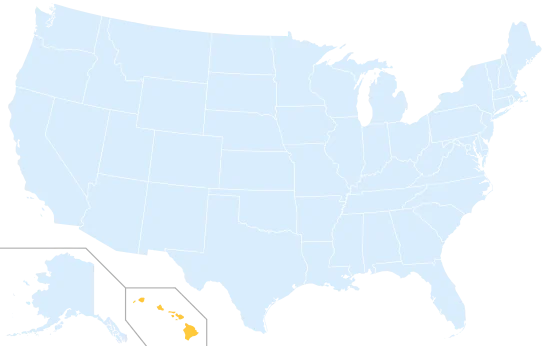
The state bird: Nene
Adopted in 1957, when the world's rarest goose was nearly gone: about 30 birds were left in 1952. Federal protection followed in 1958, and wild numbers were back to roughly 2,600 to 3,300 by 2021. The name comes from its soft call.
Honesty first: Warble's catalog is built around the birds of the mainland United States, so most of Hawaii's native forest birds are not in it, and the 100 birds it lists for the islands lean heavily on introduced and widespread species, which is also what most people hear. The state list stands at 337 species, and 52 of them were brought by humans; the birds in a Honolulu or Kailua yard are mynas, doves, white-eyes, finches and cardinals from Asia, South America and the mainland.
The natives are a harder and sadder story. Hawaii once had at least 113 bird species found nowhere else. Only 26 forest species remain, 24 of them listed as vulnerable or endangered, and 71 have been confirmed lost. Mosquitoes carrying avian malaria and pox are the main reason, which is why the surviving honeycreepers live mostly above about 1,400 meters, where it is too cool for the mosquitoes. To hear them, you go up.
The Hawaii album
These are the 100 birds people report most often in Hawaii, ranked by how frequently they turn up. The common and uncommon ones are shown; the rare and legendary cards stay face down until you catch them in the game.
Common 25 cards
- #003
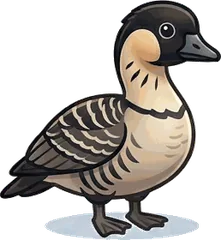 Nene
Branta sandvicensis
Nene
Branta sandvicensis - #019
 ?Catch it to find out
 - #024
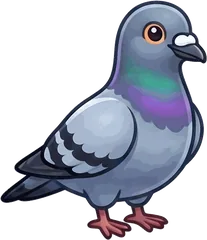 Rock Pigeon
Columba livia
Rock Pigeon
Columba livia - #025
 ?Catch it to find out
 - #026
 ?Catch it to find out
 - #030
 ?Catch it to find out
 - #031
 ?Catch it to find out
 - #032
 ?Catch it to find out
 - #036
 ?Catch it to find out
 - #057
 ?Catch it to find out
 - #069
 ?Catch it to find out
 - #071
 ?Catch it to find out
 - #072
 ?Catch it to find out
 - #074
 ?Catch it to find out
 - #077
 ?Catch it to find out
 - #081
 ?Catch it to find out
 - #083
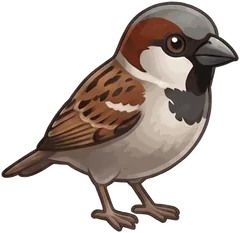 House Sparrow
Passer domesticus
House Sparrow
Passer domesticus - #086
 ?Catch it to find out
 - #089
 ?Catch it to find out
 - #094
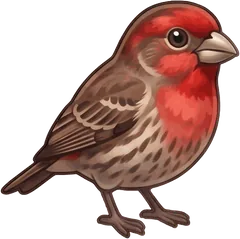 House Finch
Haemorhous mexicanus
House Finch
Haemorhous mexicanus - #095
 ?Catch it to find out
 - #097
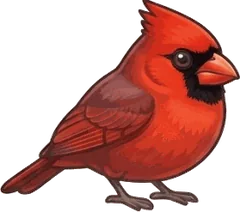 Northern Cardinal
Cardinalis cardinalis
Northern Cardinal
Cardinalis cardinalis - #098
 ?Catch it to find out
 - #099
 ?Catch it to find out
 - #100
 ?Catch it to find out
Uncommon 35 cards
- #005
 ?Catch it to find out
 - #008
 ?Catch it to find out
 - #009
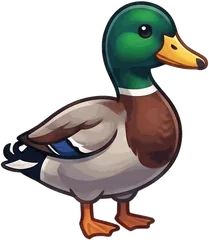 Mallard
Anas platyrhynchos
Mallard
Anas platyrhynchos - #010
 ?Catch it to find out
 - #015
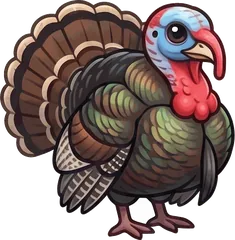 Wild Turkey
Meleagris gallopavo
Wild Turkey
Meleagris gallopavo - #016
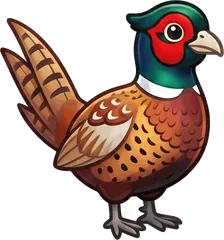 Ring-necked Pheasant
Phasianus colchicus
Ring-necked Pheasant
Phasianus colchicus - #017
 ?Catch it to find out
 - #020
 ?Catch it to find out
 - #021
 ?Catch it to find out
 - #023
 ?Catch it to find out
 - #029
 ?Catch it to find out
 - #037
 ?Catch it to find out
 - #039
 ?Catch it to find out
 - #042
 ?Catch it to find out
 - #044
 ?Catch it to find out
 - #047
 ?Catch it to find out
 - #048
 ?Catch it to find out
 - #049
 ?Catch it to find out
 - #052
 ?Catch it to find out
 - #053
 ?Catch it to find out
 - #054
 ?Catch it to find out
 - #058
 ?Catch it to find out
 - #060
 ?Catch it to find out
 - #061
 ?Catch it to find out
 - #064
 ?Catch it to find out
 - #067
 ?Catch it to find out
 - #068
 ?Catch it to find out
 - #070
 ?Catch it to find out
 - #073
 ?Catch it to find out
 - #075
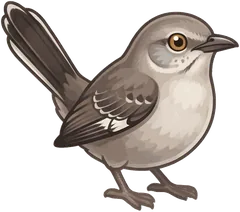 Northern Mockingbird
Mimus polyglottos
Northern Mockingbird
Mimus polyglottos - #076
 ?Catch it to find out
 - #078
 ?Catch it to find out
 - #079
 ?Catch it to find out
 - #080
 ?Catch it to find out
 - #092
 ?Catch it to find out
Rare 30 cards
- #002
 ?Catch it to find out
 - #004
 ?Catch it to find out
 - #007
 ?Catch it to find out
 - #012
 ?Catch it to find out
 - #013
 ?Catch it to find out
 - #014
 ?Catch it to reveal
 - #018
 ?Catch it to find out
 - #022
 ?Catch it to find out
 - #027?Catch it to reveal
- #028
 ?Catch it to find out
 - #034
 ?Catch it to find out
 - #035
 ?Catch it to find out
 - #040
 ?Catch it to find out
 - #041?Catch it to reveal
- #045
 ?Catch it to find out
 - #046
 ?Catch it to find out
 - #056
 ?Catch it to find out
 - #059?Catch it to reveal
- #062
 ?Catch it to find out
 - #065
 ?Catch it to find out
 - #066
 ?Catch it to find out
 - #082
 ?Catch it to find out
 - #084
 ?Catch it to find out
 - #085
 ?Catch it to find out
 - #087
 ?Catch it to find out
 - #088
 ?Catch it to find out
 - #090
 ?Catch it to find out
 - #091
 ?Catch it to find out
 - #093
 ?Catch it to find out
 - #096?Catch it to reveal
Legendary 10 cards
- #001
 ?Catch it to find out
 - #006
 ?Catch it to find out
 - #011
 ?Catch it to find out
 - #033
 ?Catch it to find out
 - #038
 ?Catch it to find out
 - #043
 ?Catch it to find out
 - #050
 ?Catch it to find out
 - #051
 ?Catch it to find out
 - #055
 ?Catch it to find out
 - #063
 ?Catch it to find out
 9 of the 100 cards are shown here. The other 91, including all 30 rare and 10 legendary birds, are yours to discover. Get Warble and start with the common ones.
Backyard birds you will hear first
The Common Myna leads the album: a brown, yellow-faced bird that struts across every lawn and parking lot, squabbling in loud, liquid chatter and gathering in screaming roosts at dusk. The Zebra Dove is second, a tiny dove with a soft, fast, stuttering coo from the wires, and the Spotted Dove adds a deeper three-note call. The Warbling White-eye, a small green bird with a white eye ring, sings a thin, high warble from the hedges.
The House Sparrow chirps under the eaves, the House Finch sings its long, jumbled warble, and the Northern Cardinal whistles cheer, cheer from a mango tree, next to a Red-crested Cardinal from South America with a gray body and a scarlet head. The Pacific Golden-Plover, the one native in the top ten, spends the winter on lawns and golf courses and flies to Alaska to nest.
The islands, by ear
The high forest
Ohia and koa forest above the mosquito line. The Apapane, a crimson honeycreeper, sings a busy mix of squeaks, whistles and trills from the ohia blossoms, and the Hawaii Amakihi, small and yellow-green, gives a fast trill. These two are the only forest birds the state still lists as of least concern. Hakalau Forest refuge, more than 32,700 acres of rainforest on the windward slope of Mauna Kea, also shelters the scarlet Iiwi, the Akiapolaau with its curved bill and the Hawaii Akepa.
The volcanoes
Hawaii Volcanoes National Park has four honeycreeper species in its rainforest, the Nene on the lava, the Io, Hawaii's only native hawk, and the Uau, a petrel down to about 50 to 60 breeding pairs. Mauna Loa Road and Crater Rim Drive are the usual places to listen.
The coast and the sea cliffs
Kilauea Point, on the north tip of Kauai, is a 180-foot bluff with one of the largest seabird colonies in the islands: Laysan Albatrosses arrive in early November, Red-footed Boobies nest in one of the world's biggest colonies, and White-tailed Tropicbirds sail past. The Nene grazes the lawns there.
Best months to listen
The introduced backyard birds sing all year, and there is no real off season in the lowlands. In the high forest, the honeycreepers are most vocal when the ohia is in bloom, and mornings are far better than afternoons, when cloud rolls up the slopes. Winter is the season for seabirds at Kilauea Point and for Pacific Golden-Plovers on the lawns. Whenever you go up the mountain, go early and bring a layer.
Places worth the drive
- Hawaii Volcanoes National Park, Big Island: Nene on the lava, Apapane and other honeycreepers in the rainforest, an Io overhead.
- Hakalau Forest National Wildlife Refuge, Mauna Kea: Iiwi, Akiapolaau and Akepa, by guided tour only for now.
- Kilauea Point National Wildlife Refuge, Kauai: albatrosses from November, boobies, tropicbirds and Nene on the point.
The town birds fill most of the Warble album from a hotel lanai. The natives are the reason to rent the car.
Listen before you go
Three of the common Hawaii birds, so the first songs you hear outside already ring a bell.
Recording by Fionn Ó Marcaigh, CC BY 4.0, via iNaturalist.
Recording by Chase Harris, CC0, via iNaturalist.
Recording by dugald, CC0, via iNaturalist.
Questions people ask
What is the most common bird in Hawaii?
By the reports behind the album, the Common Myna, followed by the Zebra Dove, the Warbling White-eye and the Spotted Dove, all of them introduced. The most common natives are the Pacific Golden-Plover, the Apapane and the Hawaii Amakihi.
What is the state bird of Hawaii?
The Nene, or Hawaiian Goose, adopted in 1957. It fell to about 30 birds in 1952, was protected in 1958, and had recovered to an estimated 2,600 to 3,300 wild birds by 2021 on Hawaii, Maui, Molokai and Kauai.
Does Warble know Hawaiian birds?
Partly. The album for Hawaii covers the 100 birds most reported in the state, which are mostly introduced and widespread species, plus a few natives such as the Apapane and the Hawaii Amakihi. Most rare endemic forest birds are not in the catalog.
Nearby albums
Sources
- Hawaii Department of Land and Natural Resources: Birds. dlnr.hawaii.gov/wildlife/birds/
- Wikipedia: Nene (bird). en.wikipedia.org/wiki/Nene_(bird)
- U.S. Fish and Wildlife Service: Hakalau Forest National Wildlife Refuge. www.fws.gov/refuge/hakalau-forest
- Wikipedia: List of birds of Hawaii. en.wikipedia.org/wiki/List_of_birds_of_Hawaii